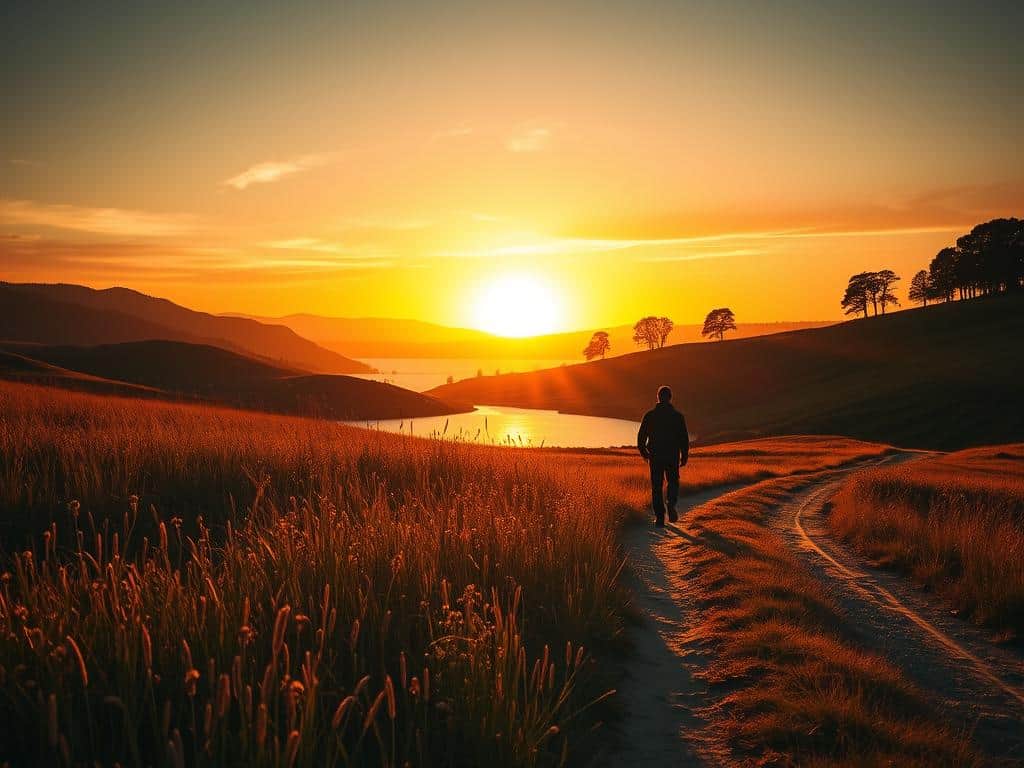
Over the past few years, photography has seen a big change. More photographers are now aiming for a cinematic look. This trend is huge on social media, where many accounts focus on this style.
This isn’t just a short-lived trend. It shows people really want to make their photos look like they were taken for a movie. They want to capture the magic of film photography in their own images.
In this tutorial, I’ll share the secrets to getting that cinematic look. We’ll talk about color grading, like the Teal & Orange method. We’ll also look at how to balance light and shadow.
Each part is key to making images that grab your attention and touch your heart. We’ll dive into what makes cinematic photography special. We’ll see how choosing subjects, lighting, and colors can change the mood and story of your photos.
By sharing my own experiences and tips, you’ll learn how to improve your photography. You’ll attract fans who love this artistic style.
Key Takeaways
- The popularity of cinematic photography has grown significantly on social media platforms.
- The Teal & Orange color grading style is widely recognized and can evoke strong emotional responses.
- A consistent aesthetic across your images is essential for a cohesive portfolio.
- Lighting plays a critical role in creating mood and depth in cinematic photography.
- Understanding the use of different aspect ratios can enhance the perceived cinematic quality of your work.
- Post-processing tools are vital in fine-tuning the look and feel of your images.
Understanding Cinematic Photography
Cinematic photography is special because it can make us feel deeply and tell stories in a unique way. It uses careful composition and framing to capture more than just a moment. It takes us into the heart of the scene, like a great movie does.
To get a cinematic look, you need to know what makes it special. It’s all about the details.
Defining Cinematic Photography
Cinematic photography is all about telling stories through images. Each photo is like a window into a bigger story. It often uses a wider screen ratio, like 16:9, to feel more like a movie.
It focuses on how things are arranged in the photo. This is to draw the viewer in and make them feel something. It’s not just about the tech; it’s an art that needs both vision and skill.
Features of Cinematic Photography
What makes cinematic photography stand out? Using the rule of thirds helps place subjects in the best spots. This makes the photo more engaging and tells a story.
Symmetrical shots can create tension. They make certain parts of the photo stand out. Leading lines guide the viewer’s eye, making the story clearer.
Depth of field is key too. It lets you focus on what’s important while blurring the rest. This adds emotional depth, like in stories with complex characters.
Bokeh, or the blur around objects, adds meaning. It shows themes like isolation. All these elements come together to make simple photos into powerful stories.
Techniques to Achieve a Cinematic Look
To get a cinematic look in photos, you need to focus on several key areas. These include the subject matter, lighting tricks, and color grading. By mastering these, photographers can make images that touch viewers’ hearts deeply.
Choosing the Right Subject Matter
Choosing the right subject is key for cinematic photography. Even everyday scenes can seem mysterious through a cinematic lens. The time of day and weather also play a big role in setting the mood.
Utilizing Lighting Tricks
Lighting tricks are vital for a cinematic look. Backlighting adds drama with silhouettes, while soft lighting creates a dreamy feel. Hard lighting, on the other hand, brings out contrasts. The camera angle can also change how powerful or vulnerable a subject looks.
Color Grading Your Images
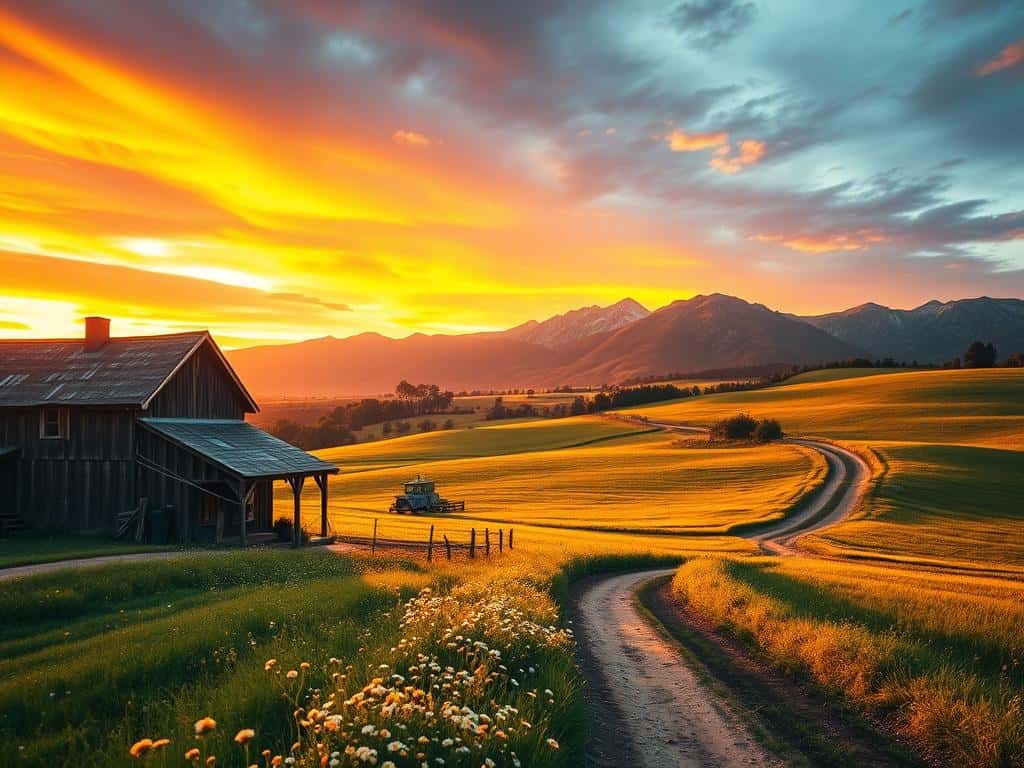
Color grading is the final step to achieve a cinematic look. It involves adding tints to highlights and shadows to change the mood. Using a limited color palette helps tell a story and keeps the image cohesive.
Conclusion
Getting a cinematic look in photography is both rewarding and deep. It lets me make images that touch people’s hearts. These images turn simple scenes into powerful stories.
Using the right lighting and color grading is key. It makes my photos look amazing. This is what makes my work stand out in cinematic photography.
This journey is not just about skills; it’s about expressing myself. Each photo is like a story, connecting with my audience. As I get better, every shot becomes a chance to touch people’s feelings.
By following my gut and improving, I make my photos reflect my vision. This journey in cinematic photography is exciting. It keeps my creativity and passion alive.
