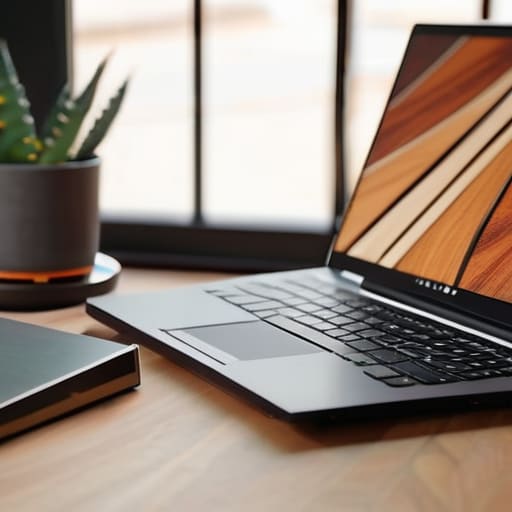
I was hunched over my workbench last Tuesday, surrounded by the smell of ozone and old solder, staring at a pile of defunct vintage lens elements and half-finished circuit boards. My studio was starting to feel less like a creative sanctuary and more like a graveyard for “maybe one day” projects. It’s that heavy, suffocating realization that hits us all eventually: the cluttered weight of our gear is actually stifling our creativity. I spent years thinking that hoarding every obscure sensor or discarded film canister was a way of preserving my potential, but I finally had to face the hard truth about what to keep and what to let go if I ever wanted to actually finish my latest diorama.
I’m not here to give you some sanitized, productivity-guru lecture about minimalist aesthetics or “decluttering for zen.” Instead, I want to share the gritty, practical logic I’ve developed from years of blending digital media with analog tinkering. I’m going to walk you through my personal framework for auditing your toolkit—whether it’s high-end glass or digital assets—to ensure you’re only holding onto the pieces that actually fuel your vision. Let’s strip away the sentimental noise and get back to the gear that actually tells a story.
Overcoming Emotional Attachment to Physical Objects in Your Studio
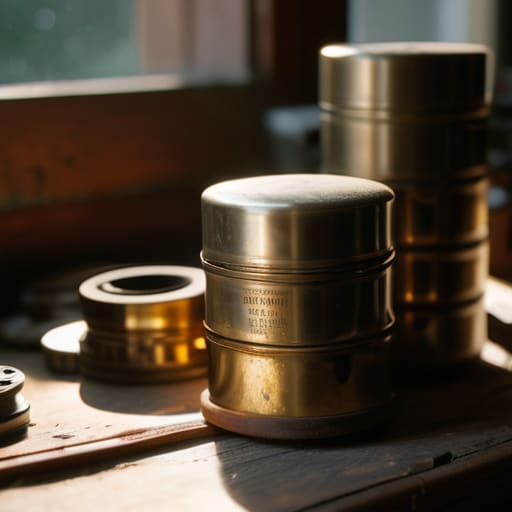
I’ll be the first to admit it: my studio is a graveyard of “what ifs.” There’s a half-disassembled vintage Leica sitting on my workbench that I’ve been meaning to fix for three years, and a stack of old film canisters that I can’t quite bring myself to part with. It’s hard because these aren’t just pieces of plastic and glass; they feel like extensions of our creative identities. We often struggle with an emotional attachment to physical objects because we mistake the tool for the talent. We think that if we hold onto that dusty, outdated lens, we’re holding onto the version of ourselves that was still learning the ropes.
But here’s the truth I’ve learned while tinkering with my dioramas: space is a resource, just like battery life or storage capacity. If your workspace is choked with relics that no longer serve your current vision, you’re actually stifling your ability to innovate. I’ve found that practicing mindful decluttering techniques—like asking if a piece of gear actually inspires a new shot or just occupies space—is essential. It isn’t about erasing your history; it’s about clearing the frame so you can finally focus on the masterpiece you’re building today.
Mindful Decluttering Techniques for a Sharper Creative Focus
When I’m elbow-deep in a new diorama project, I’ve realized that my workspace often mirrors my headspace. If my desk is buried under half-finished circuit boards and lens caps that don’t belong to anything in my bag, my brain feels just as cluttered. I’ve started implementing some mindful decluttering techniques that feel less like a chore and more like a reset button. Instead of a massive, overwhelming purge, I try the “one-in, one-out” rule or dedicate just fifteen minutes to a single drawer. It’s about creating a ritual of clearing the physical noise to make room for the signal.
It’s not just about the gear, though. I’ve found that decluttering your life for mental clarity requires a bit of a psychological shift. I ask myself: Does this piece of tech still spark curiosity, or am I just holding onto it out of habit? If a tool no longer serves my current creative vision, it’s actually hindering my ability to innovate. By treating my studio like a living gallery rather than a storage unit, I can finally focus on the art instead of the inventory.
The Curation Toolkit: 5 Ways to Filter Your Gear from Gold to Junk
- The “One-Year Field Test”—if you haven’t reached for that specific vintage lens or niche macro attachment in the last twelve months, it’s likely just taking up precious real estate on your shelf. Ask yourself: am I keeping this because I use it, or because I’m holding onto the idea of the shot I might take?
- Prioritize Versatility Over Novelty—it’s easy to get seduced by the shiny new gadget, but I’ve learned that a reliable, well-loved workhorse is worth ten experimental toys. If a piece of tech doesn’t fundamentally expand your visual vocabulary, it might be time to let it go.
- The “Diorama Test” for Sentimental Tech—I often look at my old gear through the lens of my miniature models; if an object is beautiful enough to be art but too broken to be functional, don’t let it clutter your workspace. Repurpose it into a piece of decor or a component for a new build rather than letting it sit as “dead” inventory.
- Audit Your Digital Weight—Decluttering isn’t just about physical tripods and film canisters; it’s about your hard drives too. If you’re hoarding terabytes of blurry test shots or redundant RAW files that don’t serve a narrative, you’re essentially creating digital dust that obscures your best work.
- Create a “Maybe” Bin—instead of an immediate “keep or toss” binary, move questionable items into a temporary staging area. If you don’t go looking for those specific cables or adapters within a month, you’ll have the psychological permission you need to finally part ways with them.
Finding Your Creative Equilibrium
At the end of the day, deciding what to keep and what to let go isn’t just about clearing shelf space or organizing your hard drives; it’s about refining your creative identity. We’ve looked at how to tackle those heavy emotional ties to old gear and how to implement mindful decluttering to clear the mental fog. Whether it’s a vintage lens that holds a memory or a digital workflow that’s become too cluttered to navigate, the goal remains the same: to ensure that every tool and every file in your kit serves a purpose. By being intentional, you stop being a collector of things and start becoming a curator of experiences, making sure your studio—both physical and mental—is primed for your next big breakthrough.
As you move forward into this next digital chapter, remember that your growth often requires leaving behind the versions of yourself that no longer fit. Just like I learned while repurposing old camera parts into new gadgets, there is immense beauty in shedding the old to make room for the innovative. Don’t be afraid to let go of the “what ifs” and the outdated tech that weighs you down. Instead, embrace the space you’ve created and fill it with intentionality and wonder. Your best work isn’t waiting in a pile of forgotten equipment; it’s waiting in the clarity you find when you finally decide to focus on what truly matters.
Sometimes, the hardest part of letting go isn’t the physical act of clearing a shelf, but finding the mental clarity to decide what actually serves your future self. I’ve found that when I’m feeling stuck in a cycle of hoarding old cables or outdated lenses, I need to step away from the workbench and engage in a bit of intellectual recalibration. Lately, I’ve been leaning on the community insights over at evening chat Michigan to help me process these creative transitions; it’s been a surprisingly helpful way to gain a fresh perspective on how we curate our lives. Taking that moment to step back and reflect can be the difference between a cluttered workspace and a truly intentional studio that breathes with your evolving vision.