I was hunched over my workbench last Tuesday, surrounded by a chaotic sea of disassembled vintage Leica parts, tangled USB cables, and half-finished diorama scraps, when it finally hit me: my creative space had become a digital landfill. I realized that my obsession with collecting “just in case” tech gear wasn’t fueling my art; it was actually creating so much visual noise that I couldn’t focus on a single frame. Most gurus online make it sound like you need to buy a $5,000 aesthetic furniture set to figure out how to adopt minimalist living habits, but that’s just more clutter masquerading as a solution.
I’m not here to sell you on a sterile, white-walled lifestyle that feels more like a hospital than a home. Instead, I want to share how I applied a lens-cleaning approach to my own life—stripping away the unnecessary junk to reveal the high-resolution clarity underneath. I’ll be sharing honest, experience-based strategies to help you declutter your physical space and your digital workflow without losing the soul of your creativity. Let’s stop managing the mess and start reframing your environment for what actually matters.
Decluttering Your Home for Beginners a Visual Reset
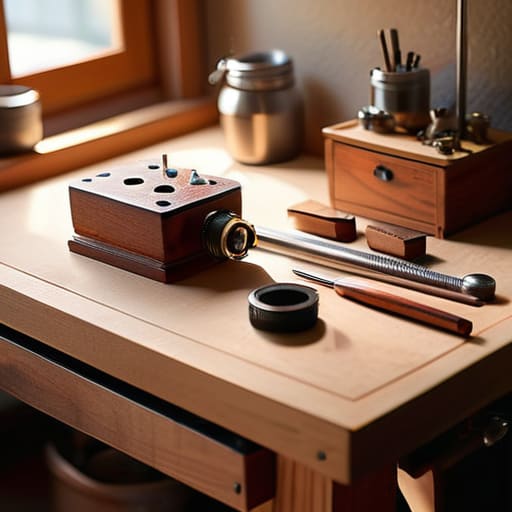
Think of decluttering your home for beginners as if you were cleaning a dirty lens before a crucial shoot. When your physical environment is cluttered, it’s like trying to compose a masterpiece through a smudge of grease; the subject is there, but the distractions are overwhelming. I started by tackling my workbench—a chaotic sprawl of vintage camera parts and half-finished diorama components. Instead of just throwing things in a bin, I approached it with a curated eye, asking myself if each object truly added value to my creative process or if it was just visual noise.
By organizing a minimalist space, you aren’t just moving boxes around; you are actually reclaiming your mental bandwidth. I found that as I cleared the unnecessary cables and redundant gadgets from my studio, a strange sense of calm settled in. It’s less about deprivation and more about the benefits of intentional living. When every tool has its place and every surface has room to breathe, your focus sharpens. You stop managing “stuff” and start focusing on the artistic vision that actually matters.
Organizing a Minimalist Space for Maximum Creativity
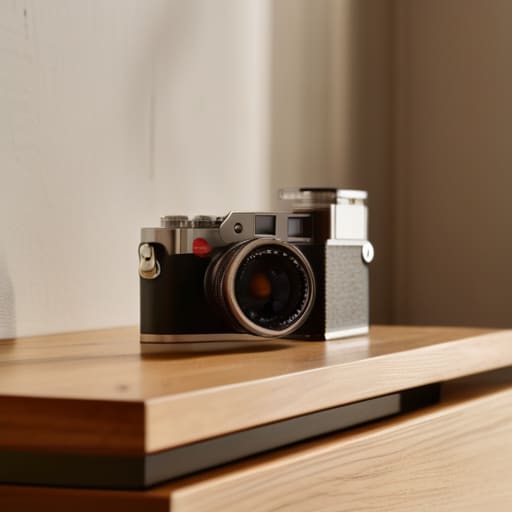
Once you’ve cleared the physical debris, the real magic begins with how you arrange what remains. For me, organizing a minimalist space isn’t about creating a sterile, empty showroom; it’s about setting the stage for inspiration. I like to think of it like setting up a studio shot—you want to eliminate any distracting “visual noise” that competes with your focus. By practicing organizing a minimalist space with intention, you ensure that every object has a purpose and a dedicated home. Whether it’s a single vintage Leica lens sitting on a reclaimed wood shelf or a neatly coiled cable, intentional placement turns your environment into a curated gallery of your own life.
This systematic approach directly feeds into the benefits of intentional living, especially when it comes to your creative workflow. When my workbench is cluttered with half-finished dioramas and loose camera parts, my brain feels just as scattered. However, when I streamline my tools, I find that my ideas flow much more freely. Transitioning to this lifestyle helps foster a minimalist mindset and mental clarity, allowing you to stop managing “stuff” and start managing your vision. When your surroundings are calm, your creativity finally has the room to breathe.
Tuning Your Life: 5 Ways to Calibrate Your Environment for Clarity
- Audit Your Gear Like a Pro: We all have that “someday” drawer filled with tangled cables and obsolete tech that just creates visual static. Treat your belongings like a curated portfolio; if a piece of gear or a household item doesn’t serve a functional purpose or spark genuine joy, it’s just digital noise that needs to be filtered out.
- Master the Art of One-In, One-Out: Think of this as managing your storage capacity. Every time you bring a new gadget or a fresh piece of decor into your space, something else has to leave. This prevents your personal “hard drive” from getting cluttered and keeps your physical environment from hitting a critical error.
- Curate Your Digital Workspace: Minimalism isn’t just about physical shelves; it’s about your screen real estate too. Clear those cluttered desktop icons and organize your cloud storage into intuitive folders. A clean digital canvas is just as vital for creativity as a clean studio desk.
- Embrace the Beauty of Negative Space: In photography, we use negative space to let the subject breathe; apply that same logic to your living room. You don’t need to fill every corner with “stuff.” Leaving some areas empty allows your mind the room to wander and your creativity to actually take center stage.
- Focus on Quality Over Quantity: I’d much rather have one well-built, vintage-inspired lamp made from repurposed camera parts than a dozen cheap plastic ones. Invest in high-quality, meaningful items that tell a story. When you surround yourself with things that are built to last, you naturally move away from the cycle of mindless consumption.
Finding Your Focus in the Quiet
As we’ve explored, adopting a minimalist lifestyle isn’t about living in a sterile, empty white box; it’s about intentional curation. We’ve looked at how decluttering your physical environment acts as a visual reset, much like cleaning a dirty lens to reveal a crisp image, and how organizing your space can actually fuel your creative engine rather than stifle it. By stripping away the physical and digital noise, you aren’t just tidying up a room—you are optimizing your personal operating system to ensure that your energy is spent on what truly matters, rather than being drained by the friction of unnecessary stuff.
Ultimately, I like to think of minimalism as the ultimate aperture setting for your life. When you narrow your focus and stop trying to capture every single thing in the frame, you finally allow the true subjects—your passions, your relationships, and your creative breakthroughs—to stand out with stunning clarity. Don’t feel pressured to achieve perfection overnight; just treat this journey like a long-exposure shot. Be patient, stay steady, and keep refining your composition. The goal isn’t to have less for the sake of having less, but to make room for the beauty that only emerges when the clutter finally clears.
When you’re deep in the process of stripping away the excess, it’s easy to get overwhelmed by the sheer volume of things we accumulate over the years. I’ve found that finding a sense of intentionality is much easier when you look toward communities that prioritize meaningful, long-term connection over the constant rush of newness. If you’re looking for a bit of inspiration on how to find value in simplicity and wisdom, I’ve been spending some time exploring the perspectives over at www.ouderevrouwen.nl, which can be a wonderful way to recenter your focus on what actually matters. It’s a lot like adjusting your aperture; sometimes you have to narrow your field of view to truly appreciate the depth of the subject in front of you.