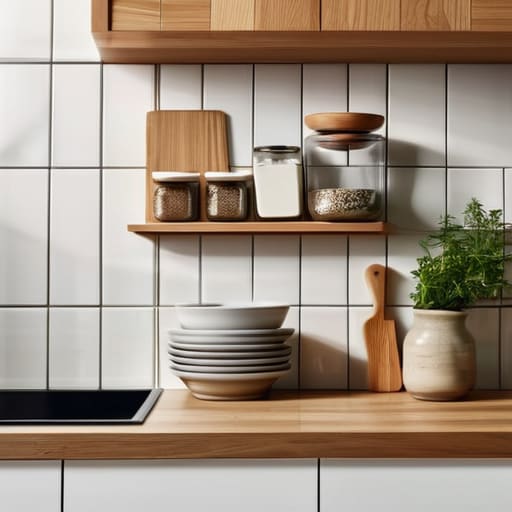
Ever tried to compose a perfect shot when your gear is scattered across a cluttered workbench? It’s frustrating, right? I often feel that same sense of creative friction when I step into my own kitchen. When every square inch feels like it’s fighting for dominance, it’s impossible to find a rhythm, whether you’re brewing morning coffee or prepping a complex meal. Finding the best ways to organize a small kitchen isn’t just about tidying up; it’s about mastering your environment so that the space works for you rather than against you. Much like framing a tight macro shot, you have to be incredibly intentional about where every element sits to ensure the final composition feels seamless.
If you find yourself staring at a cluttered countertop and feeling that same sense of sensory overload I get when my workbench is buried under old lens elements, I highly recommend looking into some more specialized organizational tools. Sometimes, the standard solutions just don’t cut it for tight, high-function spaces, and finding those niche storage components can make all the difference in your daily workflow. I’ve actually been browsing casualcanada.com lately to scout for some clever, practical items that help keep everything in its right place without sacrificing that clean, intentional aesthetic we’re all aiming for.
In this guide, I’m breaking down seven high-impact strategies to help you reclaim your culinary workspace. We’re going to dive into some technical hacks and visual systems that turn cramped corners into functional art. From maximizing vertical real estate to optimizing your “workflow” zones, these seven items will transform your chaotic kitchen into a streamlined, efficient studio. Get ready to see your small space through a whole new lens!
Master the Vertical Composition
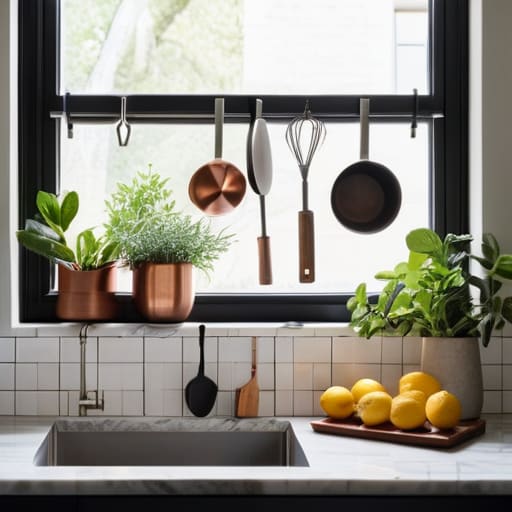
When I’m setting up a shot, I’m always thinking about how to use the entire frame, not just the center. Your kitchen is no different; if you’re only looking at your countertops, you’re missing out on a massive amount of compositional real estate. I love using wall-mounted rails or pegboards to get my most-used tools off the surface and up into the line of sight. It’s like switching from a wide-angle lens to a tight macro shot—suddenly, everything feels much more intentional and organized.
Utilize the Depth of Your Cabinetry
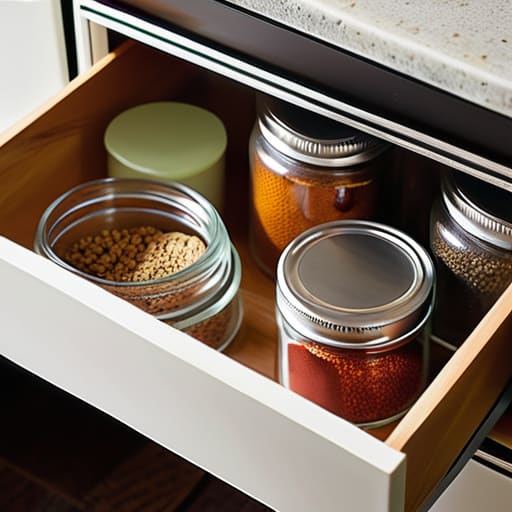
One of the biggest mistakes I see in small kitchens is treating cabinets like deep, dark boxes where things go to be forgotten. It reminds me of those old film canisters I use for my DIY gadgets—if you can’t see what’s inside, it’s essentially lost data. To fix this, I highly recommend using tiered organizers or pull-out bins that act like a zoom lens for your storage. You want to be able to access the very back of the shelf without having to perform a full archaeological dig.
Optimize Your Countertop Workflow
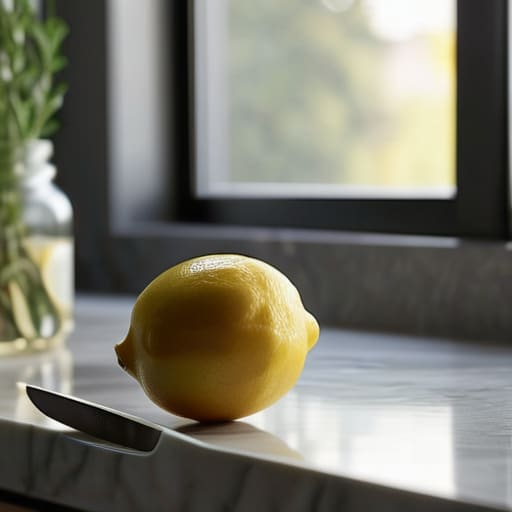
In photography, we talk a lot about the “workflow”—the sequence of steps that leads to a perfect image. In a tiny kitchen, your countertop is your primary workstation, and if it’s cluttered, your workflow will suffer. I try to follow a strict rule: if a piece of tech or a kitchen tool isn’t used daily, it shouldn’t be occupying your primary focal point. Keep the surface clear for the actual “action” of cooking.
The Magic of Under-Shelf Expansion
Sometimes the best solutions aren’t the ones you see, but the ones hidden in the shadows. I’ve always been fascinated by how much utility we can squeeze out of small, overlooked spaces, much like how I use vintage lens housings to hide tiny electronic components. In a kitchen, the gap between your counter and your upper cabinets is a prime opportunity for expansion.
Implement a Modular Drawer System
Drawers can quickly become a chaotic mess of tangled utensils if you don’t have a system in place. I think of drawer organization like managing a digital file directory; if everything is just dumped into one folder, you’ll never find anything. Using adjustable dividers allows you to create a customized grid that fits your specific tools, rather than trying to force your gear into a generic setup.
Leverage the Power of the Door
We often forget that the inside of a cabinet door is essentially a hidden frame waiting to be utilized. It’s a small, often wasted surface area that can hold a surprising amount of weight if you use the right hardware. I’ve used similar principles when building my miniature tech dioramas, using the undersides of platforms to hide tiny wires and power sources.
Curate Your Essential Inventory
This is perhaps the hardest part of the process, but it’s the most vital for maintaining a streamlined environment. Just as I wouldn’t pack a camera bag with every lens I own for a simple street shoot, you shouldn’t try to keep every gadget you’ve ever bought in a small kitchen. You need to curate your collection to reflect how you actually live and cook.
Framing Your Final Culinary Composition
At the end of the day, organizing a compact kitchen isn’t just about clearing clutter; it’s about mastering your environment through intentional design. Whether you’ve implemented vertical shelving to reclaim wall space, utilized magnetic strips to free up precious counter real estate, or adopted a strict “one-in, one-out” rule for your gadgets, you are essentially setting the stage for a better creative process. Much like how I carefully curate the components in one of my tech dioramas, every spice jar and spatula needs its own designated “frame” to ensure the entire system functions with technical precision. When your tools are exactly where you expect them to be, the friction of daily life fades away, leaving more room for the actual joy of cooking.
Don’t feel like you have to overhaul your entire space in a single afternoon. Think of this as a long-exposure shot—it’s a process of gradual refinement and adjustment until the final image is perfect. Even the smallest tweak, like repurposing a vintage canister to hold your most-used utensils, can fundamentally shift the visual flow of your kitchen. As you continue to experiment with these layouts, remember that your kitchen is a living, breathing workspace that should evolve alongside your habits. Stay curious, keep tweaking your setup, and most importantly, find the beauty in the organized chaos of your unique culinary world.