
I was hunched over my workbench last Tuesday, trying to solder a tiny connection for a miniature Leica diorama, when my hands started doing this uncontrollable micro-tremor. My eyes felt like they had been rubbed with sandpaper, and the blue light from my monitor was hitting me like a physical weight. It’s that specific, hollowed-out sensation you get when you’ve been running on nothing but caffeine and sheer willpower for days. I realized then that I didn’t need another expensive magnesium supplement or a high-tech sleep tracker telling me I’m exhausted—I needed to figure out how to recover from a week of poor sleep without completely crashing my system like a buggy piece of software.
Forget the generic advice about “just relaxing” or buying a thousand-dollar weighted blanket. I’m going to share the actual, battle-tested methods I use to recalibrate my brain and body when the burnout starts to set in. We’re going to talk about practical, low-tech ways to reset your internal clock and reclaim your creative edge, focusing on what actually works when you’re stuck in a low-power mode.
Managing the Effects of Sleep Deprivation on Cognitive Function
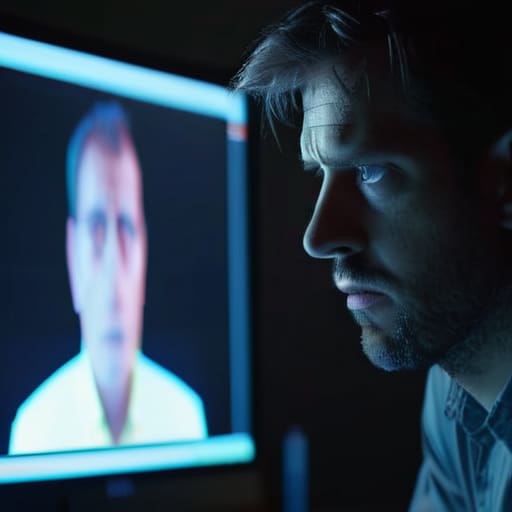
When you’re running on fumes, it isn’t just your eyes that feel heavy; it’s your brain that feels like it’s stuck in a low-resolution, laggy interface. I’ve definitely been there—trying to color grade a complex sequence only to realize I’ve been staring at the same histogram for twenty minutes without making a single decision. This is the reality of the effects of sleep deprivation on cognitive function. Your working memory starts to glitch, your focus fractures like a cracked lens, and that sharp, analytical edge you usually rely on for technical troubleshooting just… vanishes. It’s like trying to run high-end rendering software on an outdated processor; the system simply can’t keep up with the processing demands.
To combat this mental fog while you’re in the thick of it, you have to be strategic about your output. Instead of forcing yourself through a high-stakes creative sprint, try pivoting to more mechanical, repetitive tasks—the digital equivalent of cleaning your lenses. If you’re looking for ways of recovering from sleep debt without completely crashing, implement napping strategies for fatigue that act as a quick system reboot. A disciplined twenty-minute power nap can sometimes clear the cache enough to get you through a crucial afternoon session without the dreaded post-nap grogginess.
Restorative Sleep Techniques to Reset Your Biological Focus
When you’re deep in the trenches of a creative project, it’s easy to treat sleep like an optional software update, but your brain eventually hits a hard reboot. To start recovering from sleep debt, I’ve found that you can’t just crash for twelve hours and expect to feel human again. You need a tactical approach. I like to think of it as recalibrating a camera lens; you have to find that sweet spot of focus. This means implementing strict sleep hygiene tips for exhaustion, such as ditching the blue light from your monitors at least an hour before bed. I’ve even started using an old Leica lens housing as a makeshift light diffuser for my bedside lamp to create a warm, amber glow that signals to my brain that the workday is officially over.
Another game-changer is mastering napping strategies for fatigue without falling into a groggy stupor. Instead of a heavy, two-hour slumber that leaves you feeling like you’re moving through molasses, try a disciplined twenty-minute “power nap.” It’s like a quick cache clear for your cognitive processes—it provides a momentary boost without disrupting your ability to fall asleep later that night.
Recalibrating Your Internal Hardware: 5 Ways to Re-Sync Your System
- Stop chasing the caffeine high. I know, it’s tempting to lean on that third espresso to power through a foggy afternoon, but it’s like overclocking a processor without a cooling system—you’re just going to crash harder later. Try switching to herbal tea or just plain water to avoid that jittery, artificial energy spike.
- Embrace the “Low-Light Mode” for your digital life. About an hour before you aim to crash, put the smartphone and the high-res monitors away. The blue light from your screens is basically a signal to your brain that it’s high noon, even if it’s midnight. Read a physical book or tinker with one of my little analog diorama models instead.
- Don’t try to “catch up” with a massive marathon nap. If you sleep for three hours at 2 PM, you’ve basically corrupted your sleep cycle’s metadata. If you’re hitting a wall, aim for a tactical 20-minute power nap—just enough to clear the cache without falling into a deep sleep that leaves you feeling like a zombie.
- Get some actual sunlight in your eyes first thing in the morning. Think of it as a hard reset for your circadian rhythm. Stepping outside for even ten minutes helps signal to your biological clock that the day has officially begun, helping to stabilize your energy levels for the long haul.
- Simplify your evening “setup.” Just like I wouldn’t start a complex photo shoot with a cluttered studio, don’t try to tackle heavy cognitive tasks right before bed. Lay out your clothes, prep your gear, and dim the lights early to create a ritualistic transition from “active mode” to “standby.”
Realigning Your Internal Focus
Sometimes, when my brain feels as foggy as a lens without a filter, I realize that trying to “power through” is actually just sabotaging my creative output. I’ve found that instead of reaching for a third espresso, it’s much more effective to lean into a structured wind-down routine that signals to my nervous system that the workday is officially over. If you’re feeling like your internal rhythm is completely shot, you might find it helpful to see for yourself how much of a difference a deliberate shift in environment can make for your mental clarity. It’s about more than just closing your eyes; it’s about creating a sensory reset that allows your mind to finally drift away from the blue light and back into a natural state of rest.
At the end of the day, recovering from a sleep deficit isn’t about a single quick fix; it’s about a systematic recalibration of your entire biological hardware. We’ve looked at how to manage that cognitive fog, stabilize your focus, and implement specific restorative techniques to get your internal clock back on track. Whether you’re leaning into strict sleep hygiene or using strategic light exposure to reset your circadian rhythm, the goal is to move away from that jittery, low-resolution state and back into a high-fidelity way of living. Remember, you can’t just force a system reboot with a single night of sleep; it requires a deliberate, phased approach to truly clear the cache and restore your mental clarity.
As I often tell my friends when we’re deep in the middle of a complex diorama build or a late-night editing session, even the most sophisticated tech needs downtime to prevent burnout and hardware failure. Your brain is the ultimate creative engine, and treating it with the same care we give our most prized vintage lenses is essential for long-term vision. Don’t let a rough week dim your creative spark or blur your perspective. Take the time to recharge, honor your body’s need for stillness, and prepare yourself to capture the world with clarity once again. The most beautiful stories are always told through a well-rested lens.