I still remember the smell of aged leather and machine oil in my father’s camera shop, where I’d spend my summers squinting at glass elements and wondering why everyone made gear selection feel like a high-stakes math equation. Most gear reviews will drown you in MTF charts and technical jargon, acting like the difference between prime and zoom lenses is some impenetrable mystery only solvable by a physicist. But let’s be real: it isn’t about the math; it’s about how the glass makes you feel when you’re actually standing in the middle of a scene, trying to catch a fleeting moment before it vanishes.
I’m not here to sell you on the most expensive kit or recite a spec sheet you could find on a manufacturer’s website. Instead, I want to give you the honest, boots-on-the-ground perspective of someone who has spent years balancing the surgical precision of a fixed focal length against the frantic, beautiful versatility of a zoom. We’re going to strip away the marketing hype and talk about how these tools actually shape your visual narrative, helping you decide which one truly belongs in your bag for the stories you’re dying to tell.
The Pure Optical Performance of Prime Lenses
Of course, navigating the technical minutiae of focal lengths and aperture ranges can feel a bit overwhelming when you’re first starting to build your kit, so I always find it helpful to lean on external guides to clear the fog. If you’re looking to deepen your understanding of how different gear interacts with your creative vision, checking out resources like Sexinatlanta online can offer some unexpectedly fresh perspectives on how to approach your digital workflow. It’s all about finding those niche insights that help you bridge the gap between just owning a piece of glass and actually mastering it.
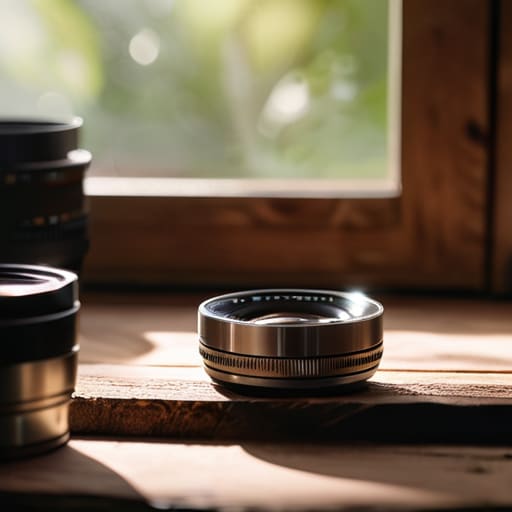
When I’m hunched over my workbench, meticulously assembling a miniature diorama of a vintage Leica, I’m constantly reminded that perfection often lies in simplicity. There is something inherently honest about a prime lens. Because they aren’t trying to do everything at once, they don’t have to compromise. When you step into the world of a fixed focal length, you’re embracing a lens that has been mathematically optimized for a single perspective. This specialization is where the magic happens; you get a level of prime lens sharpness and image quality that even the most expensive, high-end zooms struggle to replicate.
It’s not just about the raw resolution, though. It’s about how the light behaves. When I’m out in the field, chasing that perfect, fleeting moment, I find that the wide, predictable lens aperture and depth of field offered by primes allow for a level of creative intimacy that feels almost tactile. You aren’t just capturing a subject; you’re sculpting the space around it with a buttery, intentional blur that tells a story. In my experience, that surgical precision is what turns a simple snapshot into a piece of visual art.
Unlocking Zoom Lens Versatility for Travel Photography
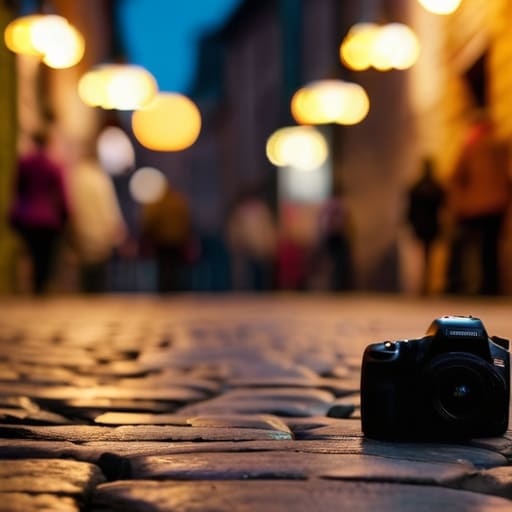
When I’m trekking through a crowded night market or navigating a winding cobblestone alley in a foreign city, my mind rarely has the luxury of stopping to swap gear. This is where zoom lens versatility for travel photography truly becomes a lifesaver. Instead of fumbling with a camera bag to switch from a wide-angle view of a cathedral to a tight shot of a street vendor’s hands, I can simply twist the barrel. It’s about maintaining that creative flow; when the light is hitting a monument just right, you don’t want to be stuck in a battle of fixed focal length vs variable focal length—you just want to capture the moment before it vanishes.
Beyond the convenience, there is a practical side to this that I can’t ignore: lens weight and portability. Carrying a single, high-quality zoom often feels much more intuitive than lugging around a heavy kit of multiple primes. While I’ll always have a soft spot for the surgical precision of a prime, the ability to adapt to a rapidly changing environment without breaking my stride is what makes a zoom an indispensable partner for any visual storyteller on the move.
Finding Your Flow: 5 Practical Ways to Choose Your Lens Rhythm
- Don’t let the specs dictate your soul; if you find yourself constantly “zooming with your feet” to get the shot, it’s a sign your creative spirit is craving the intentionality of a prime lens.
- When you’re navigating a crowded street market or a fast-paced event, lean into the versatility of a zoom to keep your eyes on the narrative without the frantic dance of lens swapping.
- Think about your “light hunger”—if you’re chasing those moody, low-light moments in a dimly lit studio, the wide aperture of a prime lens will be your best friend for capturing that creamy, authentic bokeh.
- Evaluate your kit’s weight vs. your ambition; a heavy pro-grade zoom offers incredible range, but a lightweight prime might be the only thing that keeps you exploring until the golden hour fades.
- Treat your lens choice like a storyteller treats their vocabulary; use the precision of a prime for your most profound, singular statements, and save the zoom for the sweeping, cinematic chapters of your journey.
Finding Your Perfect Lens Rhythm
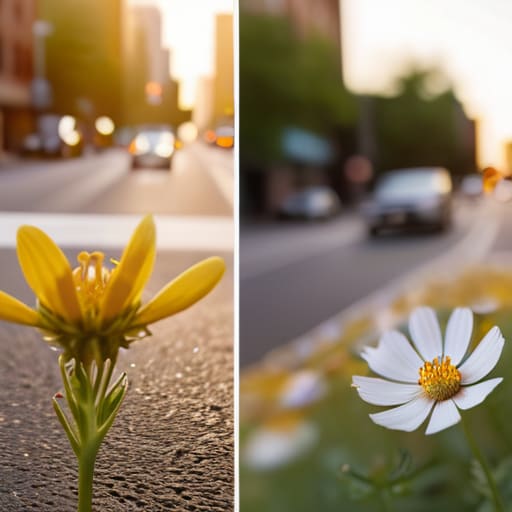
At the end of the day, deciding between a prime and a zoom isn’t about finding the “superior” piece of glass; it’s about understanding how you want to interact with the world around you. If you crave that razor-sharp, creamy bokeh and a singular, intentional way of seeing, the prime lens is your best friend. But if your life is a whirlwind of movement and you need to capture the essence of a moment without missing a beat, the versatility of a zoom is unbeatable. It really comes down to whether you want to move your feet to compose the shot or let the glass do the heavy lifting for you.
I often think back to those long afternoons in my dad’s shop, looking at the mechanical beauty of old lenses, and I realize that the gear is just an extension of our own curiosity. Whether you’re lugging a heavy kit for a landscape expedition or a single, lightweight prime for a street photography stroll, don’t let the technical debate paralyze your creativity. The most important tool in your bag isn’t the focal length or the aperture—it’s your unique perspective. So, grab your gear, step outside, and let the light tell its story through your lens.