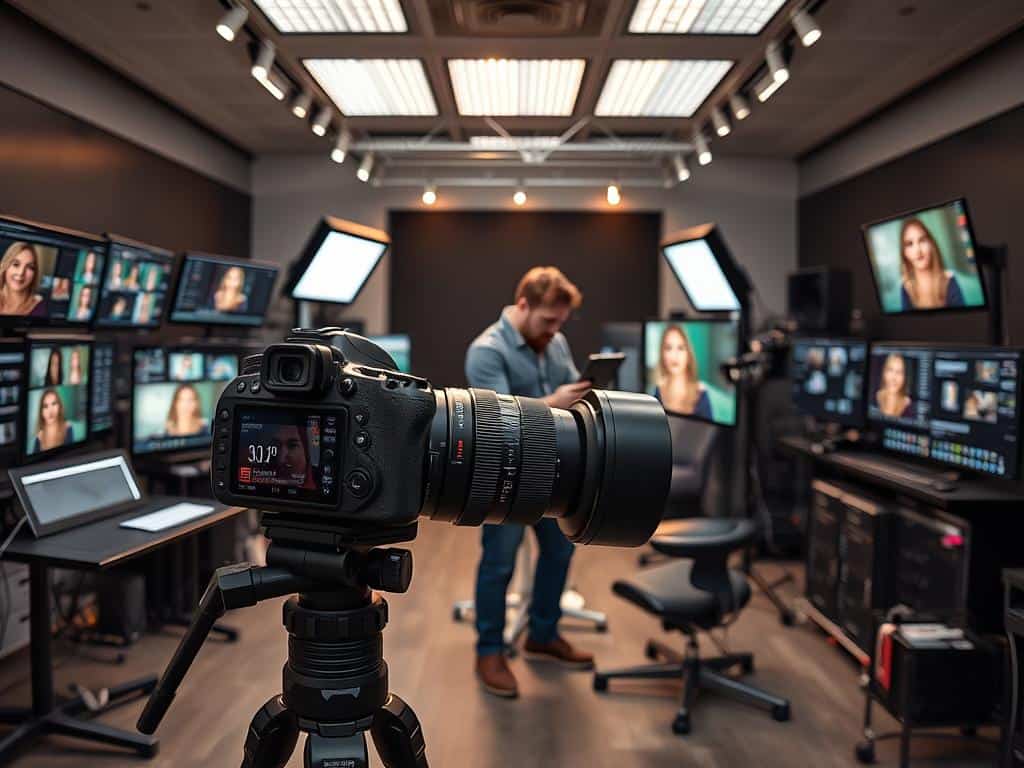
AI photo editing tools can now edit up to 1,000 images in under a minute. This change is big for commercial and stock photography. The question of whether AI can replace professional photographers is becoming more common.
Tools like Adobe Lightroom Classic’s Neurapix plug-in learn editing styles fast. Smartphones with advanced photography features are making photography more accessible. This has led to a drop in demand for professional photographers.
This shift makes us wonder about the future of AI in photography. Will human creativity and intuition be needed in an automated world?
AI-Powered Photo Editing is changing the photography field in big ways. It brings both chances and challenges. Knowing how these changes affect work and creativity is key for photographers.
Key Takeaways
- Advancements in AI editing technology can drastically speed up the photo editing process.
- Smartphones and computational photography are changing the perception of professional photography value.
- AI-driven tools can automate repetitive tasks, freeing up photographers for more creative endeavors.
- The rise of AI-generated content is leading to skepticism regarding photo authenticity.
- The photography industry must adapt to changing demands and expectations influenced by AI.
- AI tools can help streamline workflows, allowing photographers to take on more work.
Recent Advancements in AI-Powered Photo Editing
AI has changed photo editing a lot. It brings new features that make editing faster and more creative. Now, both new and experienced photographers can work more efficiently. They can use AI filters and automatic retouching to save time.
AI Photo Culling: Streamlining Image Selection
AI photo culling is a big help in picking the best photos. It can sort through many images quickly. This means photographers can spend less time choosing photos and more time editing.
Automated Photo Editing: Reducing Manual Labor
Automated editing tools have changed how we edit photos. They can make the same changes to many photos at once. This is great for big events like weddings, where it can save a lot of time.
These tools make editing easy, even for those who aren’t experts. They offer quick fixes and smart suggestions. This makes editing a breeze for everyone.
The Role of AI in Creative Storytelling
AI helps tell stories through photos by keeping a consistent look. It lets photographers check their work and make sure it fits their vision. As it learns, it gets better at suggesting ways to improve photos.
This helps make portfolios and social media posts look better. It’s all about making the photos tell a story.
Impact of AI Image Recognition on Photo Management
AI image recognition makes managing photos easier. It can spot things to edit quickly. This includes removing backgrounds and reducing noise, which makes photos look better.
It lets photographers focus on their creative ideas. They don’t have to worry as much about the technical details of editing.
Future Trends and Technologies in AI Photography
Looking ahead, AI tools will change photography a lot. New image generation tech will make our work easier and change how we see art. The impact of AI on photography is very exciting.
Anticipating AI’s Impact on Creative Processes
AI will greatly improve our creative work. It can quickly analyze lots of data, giving us instant feedback. This means we can adjust things like exposure and color balance faster.
With AI, we won’t need to spend so much time on small details. This lets us focus more on the creative parts of our work. It also means we can do more projects without losing quality.
Innovative AI Tools for Editing
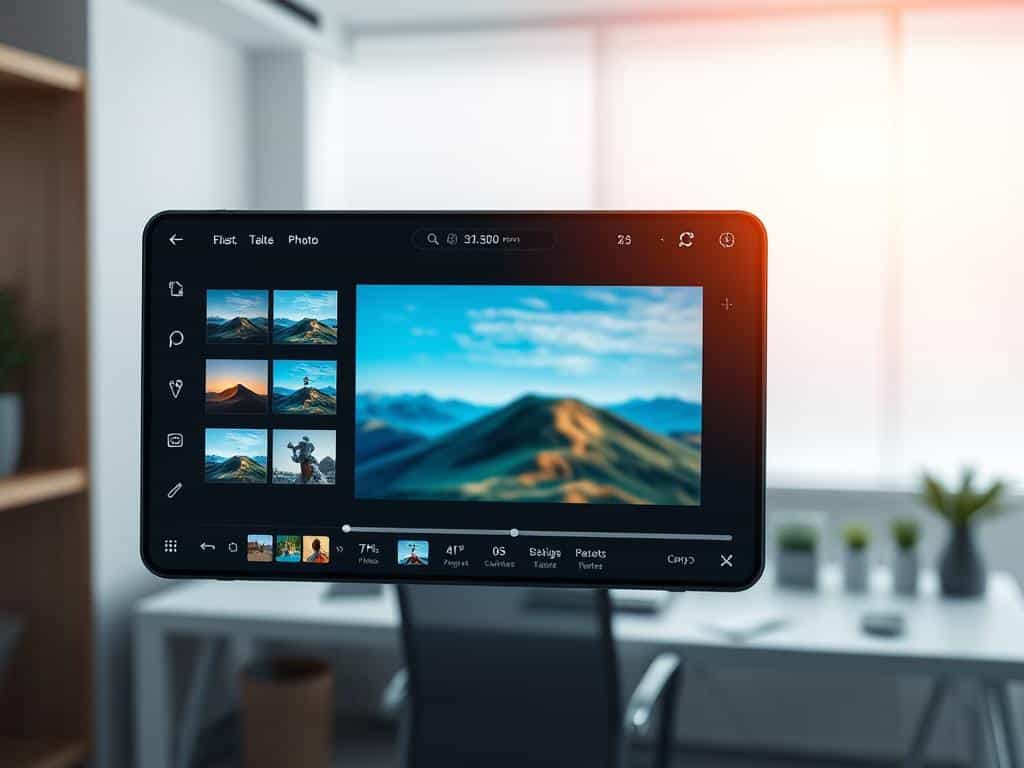
New AI tools are changing photo editing. For example, Generative Fill can make changes to images in a smart way. This makes editing big collections of photos much faster.
AI can also help sort through lots of photos, finding the best ones for editing. It makes it easier to take photos with lots of detail, helping all photographers improve.
Potential Ethical Concerns in AI Integration
As we move forward, we must think about the ethics of AI in photography. There are concerns about changing photos, rights, and privacy. We need to make sure AI doesn’t harm our creativity.
Conclusion
Looking ahead, AI is changing photography in big ways. AI tools make editing faster, letting me spend more time on creativity. It’s key to keep the human touch in photography, even with more automation.
AI tools like Adobe’s Sensei and Luminar Neo make top-notch editing easier for everyone. This doesn’t mean photographers will lose their jobs. Instead, we’ll need to learn how to work with AI to improve our work.
AI brings many opportunities, but we must use them wisely. By combining AI’s power with our creativity, I see a bright future. Professional photographers will grow, keeping photography’s true spirit alive.
