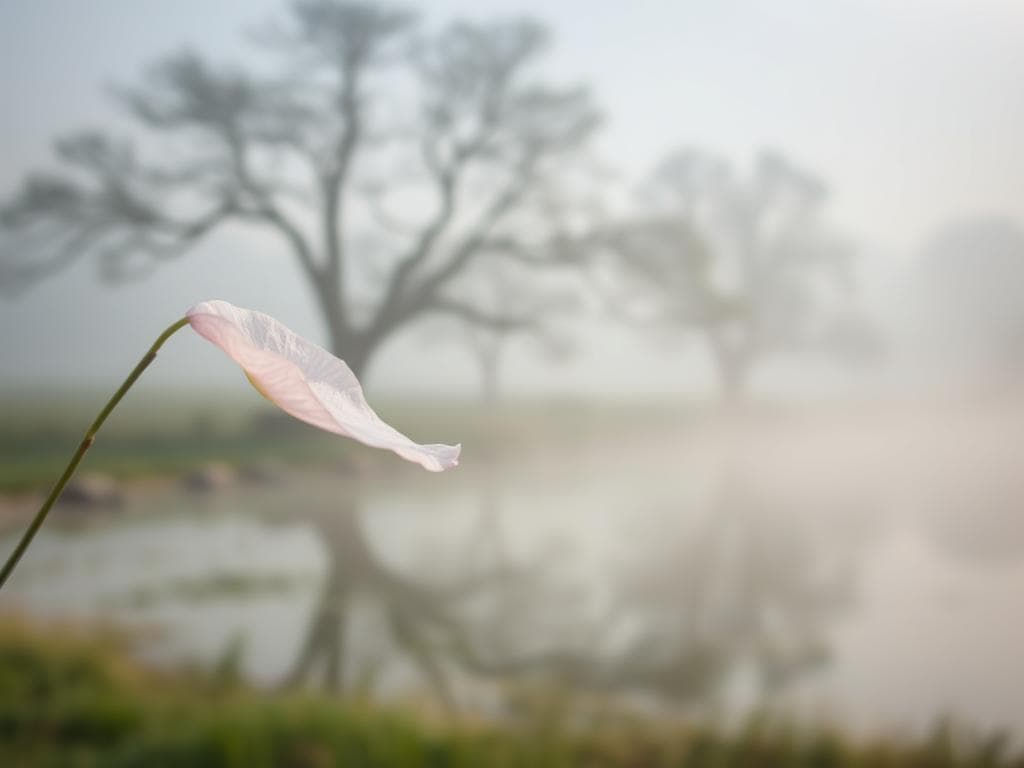
Did you know soft focus photography started in the glamorous 1950s Hollywood era? It was a game-changer, making portraits look dreamy and beautiful. Now, many of us want to capture that dreamy quality in our photos.
Soft focus photography uses light and contrast to make images more appealing and emotional. It takes skill to avoid blurriness and show the beauty of the subject. We’ll learn how to achieve this enchanting look, whether it’s in-camera or through editing. Let’s explore the magic of soft focus photography together!
Key Takeaways
- Soft focus photography creates a dreamy aesthetic by reducing fine detail contrast.
- This technique has historical roots in 1950s glamour photography.
- In-camera techniques often yield better results than relying solely on post-processing.
- DIY approaches, such as using chiffon or stockings, are cost-effective alternatives to expensive filters.
- Soft focus photography enhances not just portraits but also landscapes and floral imagery.
- Understanding the nuances between soft focus and blurriness is key for effective image creation.
- Modern software offers tools that can mimic soft focus for post-processing adjustments.
What is Soft Focus Photography?
Soft focus photography creates images that are gentle and appealing. They evoke a sense of nostalgia and romance. This technique blends tones to create a softness that sets it apart from simple blurred images.
The intentional use of light diffusion and contrast adds to the soft focus effect. This makes details more subdued, giving images an ethereal quality. It’s a popular choice in dreamy photography, like portraits.
Defining the Soft Focus Effect
The soft focus effect comes from a lens issue called spherical aberration. It makes light rays diverge, creating beautifully softened images. Unlike blurry images, soft focus keeps the subject’s essence, making it more nuanced.
This careful focus adds emotional depth. It makes images that draw you in and engage you.
The Difference Between Soft Focus and Blurry Images
It’s key to know the difference between soft focus and blurry images. Blurry images happen by accident or lack of focus. Soft focus, on the other hand, is a deliberate technique.
It’s designed to highlight the subject’s soft qualities without losing quality. The way edges are treated in soft focus shows a thoughtful approach to light and shadow. This results in striking, emotionally rich images.
Historical Context of Soft Focus in Photography
Soft focus photography started in 1915 in Hollywood. It was used in glamour shots to hide skin imperfections. This history makes it a significant part of photography, for portraits aiming to be dreamy and surreal.
Even today, soft focus is important. It continues to shape how we see beauty in visual stories.

Techniques to Achieve Soft Focus Photography
To get that magical soft focus look in photos, you can use different methods. Soft focus lenses are a top choice for this dreamy effect. The Rodenstock Imagon and Fujinon lenses are favorites for their ability to soften images.
Filters like the Cokin Soft Filter Kit also help soften light. This makes your photos even more enchanting.
If budget is a concern, DIY soft focus methods are great. You can use stretched-out stockings or thin fabrics over your lens. This trick works wonders and is easy on the wallet.
Trying out different fabrics can lead to unique soft focus effects. You can even make your own lenses from magnifying glasses. These can also soften your images beautifully.
For a digital soft focus, editing software like Adobe Photoshop and Lightroom can help. Adjusting settings like Surface Blur radius and threshold can mimic the soft focus effect. Using a soft brush with low opacity helps blend the blur naturally.
By mixing these techniques, you can make your photos softer and more engaging. This adds depth to your storytelling.
