
Did you know that using a shallow aperture of f/2.8 or less can make your bokeh pop? This simple change can quickly blur your background. It makes your photos stand out in a big way.
As a photographer, I’ve learned that creating stunning bokeh backgrounds is key. It turns simple shots into eye-catching images. It also makes your subject the main focus.
In this guide, I’ll show you how to get amazing bokeh. We’ll talk about lens choice, aperture settings, and where to place your subject. You’ll learn how to add delightful blurred lights and dreamy effects to your photos. Let’s explore the world of creative photography together!
Key Takeaways
- A shallow aperture enhances bokeh effects significantly.
- Longer lenses like 85mm are ideal for creating flattering bokeh.
- Positioning subjects closer to light sources increases bokeh size.
- Shooting during twilight enhances the quality of blurred backgrounds.
- Use of specific light sources, like Christmas lights, can produce beautiful bokeh.
- Understanding depth of field is key for great bokeh backgrounds.
- Experimenting with lens types can greatly improve bokeh quality.
Understanding Bokeh Backgrounds
Bokeh is a key part of photography that changes how we see images. It’s about the beauty of blurry areas, mainly the background. Knowing about bokeh helps us make amazing photos.
What is Bokeh?
The word “bokeh” comes from Japanese, meaning “blur.” It’s about the look of blurry parts in photos. A good bokeh makes pictures better with smooth, round shapes, like blurred lights.
To get great bokeh, you need a lens with a big aperture, like f/2.8. The blur level changes based on how far the background is from the subject. Each lens makes bokeh look different, affecting how we feel about the photo.
The Importance of Good Bokeh
Good bokeh makes photos look better. It draws our eye to the main subject, even in crowded scenes. With more people using smartphones, they want better bokeh in their photos.
The look of blurry areas can make or break a photo. For example, the Nikon 85mm f/1.4D lens is known for its amazing bokeh. But, different lenses give different bokeh looks.
As video calls get more common, bokeh’s role in keeping things clear is key. Good bokeh is not just for photos but also for looking sharp in online meetings.
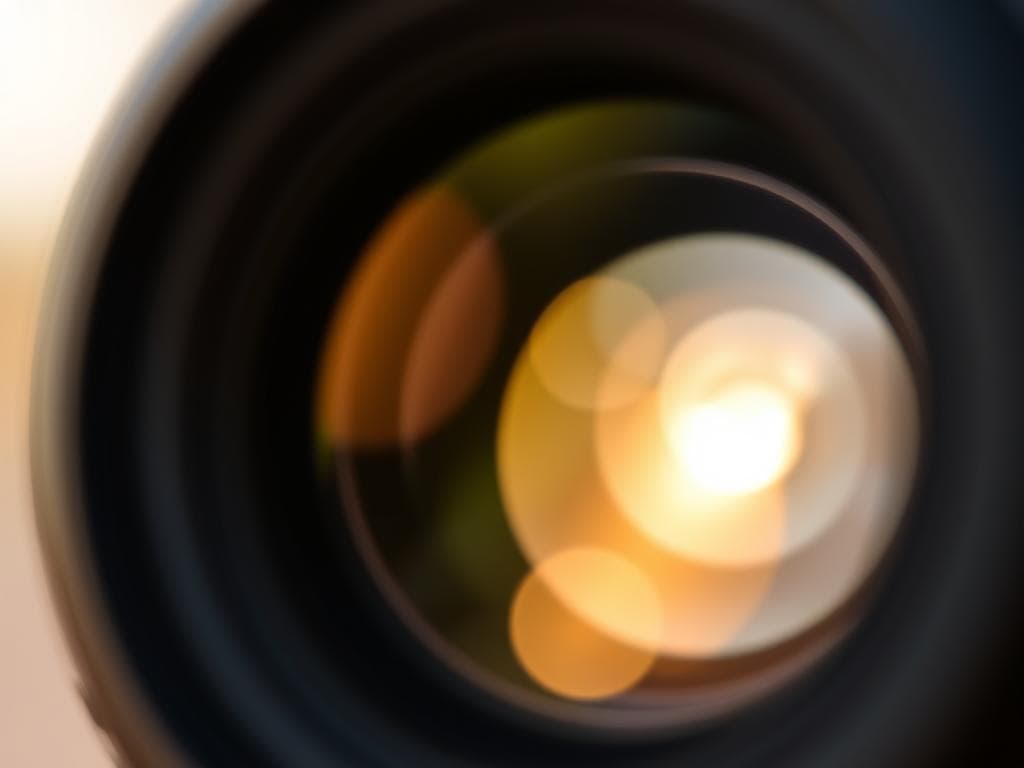
Tips for Creating Stunning Bokeh Backgrounds
To get amazing bokeh, several things matter. First, picking the right lens is key. Then, adjusting your camera settings is important for the perfect blur. Lastly, how you place your subject can make your bokeh photos stand out.
Choosing the Right Lens
A lens with a wide aperture, like f/2.8 or wider, is best for bokeh. Lenses with more aperture blades make backgrounds smoother and more appealing. Prime lenses, like those with a 200mm focal length, are great for quality images.
Macro lenses are also excellent for close-up shots. They make dreamy backgrounds even more captivating for bokeh effects.
Camera Settings for Optimal Bokeh
Aperture settings are critical for soft background blur. Many experts shoot at f/2.8, f/1.8, or f/1.2 for the best results. Moving your subject further from the background makes the bokeh effect stronger.
Using a wide aperture creates a shallower depth of field. This increases the blur. Shooting during the golden hour can also enhance bokeh and the photo’s overall look.
Positioning Your Subject Effectively
Where you place your subject is important for stunning bokeh backgrounds. I suggest keeping the subject 4 to 5 meters from the background. This distance makes the background blur more pronounced.
Also, focus on the background’s quality. Uniform elements create smoother bokeh, while distracting ones can ruin the photo. Adding reflective materials or soft lights can make your images pop, improving the bokeh effect.
Conclusion
Mastering bokeh is more than just tweaking camera settings. It’s about knowing how different elements can make your photos better. Choosing the right lens, like those with f/1.4 or f/2.8 apertures, creates a beautiful blur in the background. This makes your images stand out.
Using telephoto lenses and keeping subjects far from the background also helps. It makes your photos more striking and grabs the viewer’s eye.
Exploring bokeh techniques has shown me how wide apertures and manual settings can change a simple photo into a work of art. High-quality lenses give you smooth, attractive bokeh. Even simple tools like bokeh filters can add a creative touch. Learning these basics helps me improve my photography and show my creativity through amazing images.
I suggest that all photographers try new things with their equipment and settings. By using these bokeh tips, I can make ordinary moments into unforgettable photos. So, pick up your camera and start taking pictures of those dreamy backgrounds that make photography so special!
