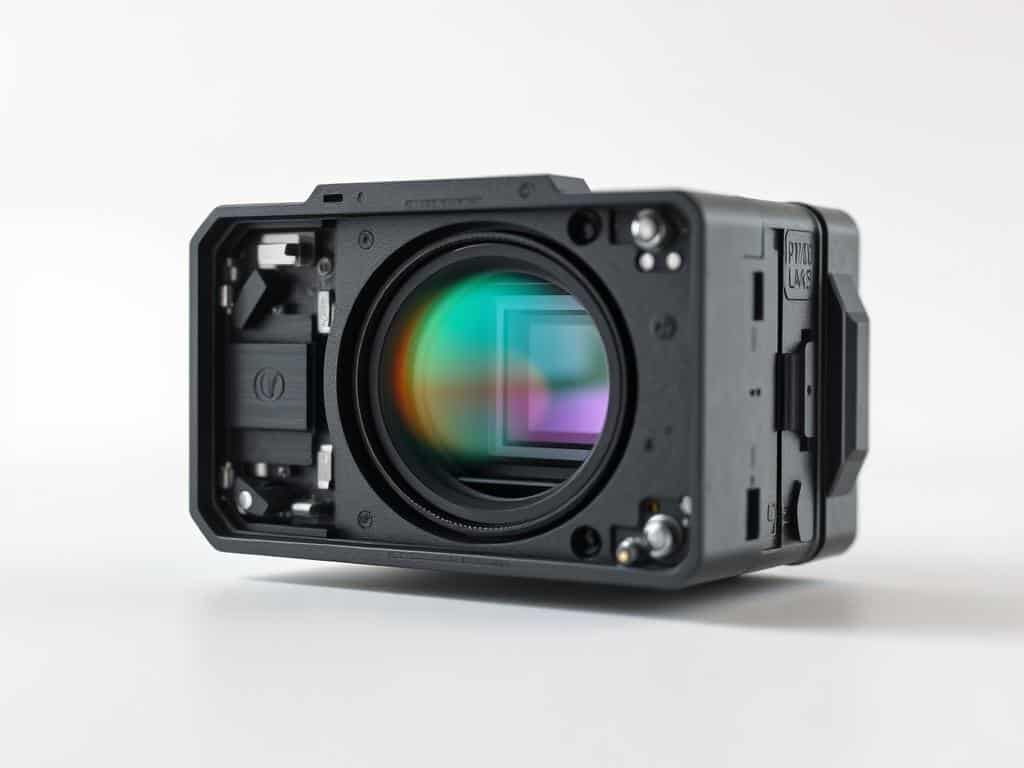
Did you know full-frame sensors are 36mm x 24mm? They’re the top choice in photography, just like traditional 35mm film. The size of a camera sensor greatly affects its performance. Knowing about APS-C and Micro Four Thirds sensors is key for photography lovers.
These sizes impact image quality. Bigger sensors grab more light, improving photos in dim places and adding detail. Yet, smaller sensors have their own perks. It’s important to look at all the options. In this guide, I’ll cover the various camera sensors, their sizes, and how they shape our photos.
Key Takeaways
- Full Frame sensors set the standard for high-quality photography.
- Sensor size impacts low-light performance significantly.
- Different sizes offer unique benefits for various photography styles.
- A larger sensor generally allows for a shallower depth of field.
- Understanding crop factors is essential when comparing sensor sizes.
Understanding Camera Sensor Size
A camera sensor is key in any digital camera, capturing light and turning it into a digital image. The size of the sensor, measured in millimeters, greatly affects photo quality. Knowing this helps photographers pick the right gear for their needs.
What is a Camera Sensor?
The image sensor changes light into electronic signals. Most digital cameras use CCD or CMOS sensors, with CMOS being more common. Sensor size impacts camera performance, affecting exposure, depth of field, and noise.
Common Types of Camera Sensors
There are many camera sensor types, each suited for different photography needs. Full-frame sensors, about 36x24mm, are known for top image quality. APS-C sensors, found in Canon, Nikon, and Sony, range from 22.3×14.9mm to 23.6×15.6mm. Micro Four Thirds, at 17.3x13mm, is popular for its compact size and performance.
How Sensor Size Affects Image Quality
Understanding how sensor size impacts image quality is essential. Bigger sensors offer better low-light shots, less noise, and wider dynamic range. This means clearer, more detailed images. For example, full-frame sensors handle tough lighting better than smaller ones, which can result in grainy photos.
Camera Sensor Guide: Comparing Different Sensor Sizes
Knowing the difference between full-frame and crop sensor cameras helps me choose the right one for my photos. Each type has its own strengths that affect how my photos turn out. Full-frame and crop sensors meet different needs, like focal length and how well they work in light.
Full-Frame Sensor versus Crop Sensor
Full-frame sensors give a wider view, perfect for big scenes like landscapes. They are 36mm x 24mm, while APS-C sensors are 22mm x 15mm. This makes full-frame sensors better for getting close to subjects, but they might not do as well in low light.
Crop sensors, on the other hand, are great for getting up close to wildlife or sports. They make your lens seem longer, but might not be as sharp or bright in dark places.
Megapixels and Their Impact on Image Quality
Megapixels are key for sharp photos, but sensor size matters too. A high megapixel count on a full-frame sensor means clearer, more detailed photos. For example, the Sony A6400 has 24MP, beating older models with fewer megapixels.
Full-frame sensors usually give better image quality and textures, even in tough light. This is why they’re often preferred for professional photos.
Understanding the Crop Factor
The crop factor is important for figuring out how lenses work on different sensors. For example, full-frame sensors have a crop factor of 1.0, while smaller sensors can be much higher. This affects how you frame your shots.
When using APS-C systems, I often need longer lenses to get the same shot as with full-frame. Knowing this helps me plan my photos better.
The Importance of Sensor Size in Photography
Understanding how sensor size affects photography is key for improving your skills. Sensor size impacts depth of field, low light photography, and dynamic range. Larger sensors offer more advantages, making them important for better image quality.
Depth of Field Considerations
A bigger sensor means a shallower depth of field. This is great for creating artistic effects and focusing on subjects in portraits. It lets me use wider apertures for that soft background blur, making my subjects pop.
Smaller sensors, on the other hand, have smaller apertures. This can limit your creative options.
Low Light Performance and ISO Sensitivity
In low light, larger sensors shine. They keep image quality high even at high ISOs, beating smaller sensors. This is key for clear images in dim conditions, making high ISO sensitivity a must-have.
Dynamic Range: What You Need to Know
Dynamic range is also affected by sensor size. Larger sensors handle highlights and shadows better, often over 14 stops. Smaller sensors might only manage around 10 stops.
This means I can keep important details in both bright and dark areas. It’s vital for balanced exposure in scenes with lots of contrast.
