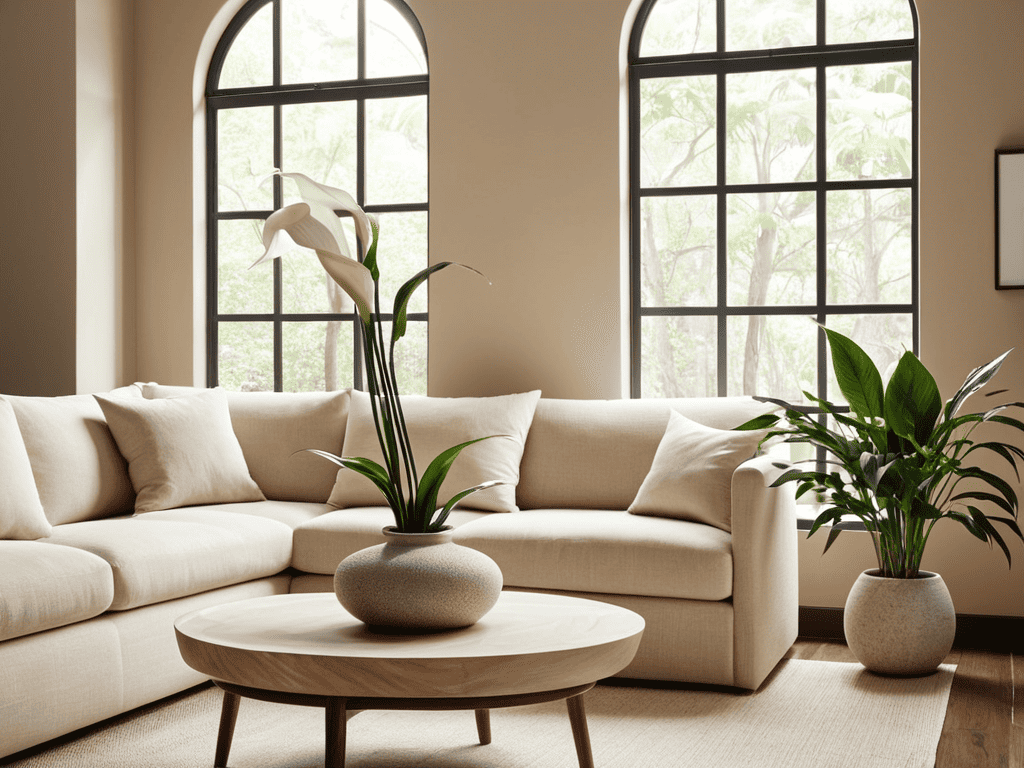
I still remember the day I stumbled upon the concept of Feng shui tips while rearranging my dad’s old camera shop. The idea that the placement of objects in a space could influence our mood and productivity seemed like a fascinating blend of art and science. As I delved deeper, I realized that many people viewed Feng shui as a mysterious, complicated practice, but I believed that with a few simple, practical adjustments, anyone could harness its benefits. My experience with photography and tech has taught me that even the smallest details can greatly impact the overall experience, and I’m excited to share how Feng shui tips can do the same for our living and working spaces.
In this article, I’ll cut through the myths and jargon, offering you honest, no-nonsense advice on how to apply Feng shui tips to improve your daily life. You’ll learn how to identify and balance the energy in your space, creating an environment that harmonizes your surroundings and boosts your well-being. From rearranging furniture to incorporating specific colors and textures, I’ll provide you with actionable tips to get you started on your Feng shui journey. Whether you’re a skeptic or a curious enthusiast, I invite you to join me in exploring the practical applications of Feng shui and discover how it can enhance your life.
Table of Contents
Guide Overview: What You'll Need
Total Time: 1 hour 30 minutes
Estimated Cost: $10 – $30
Difficulty Level: Easy
Tools Required
- Compass (for determining directions)
- Measuring Tape (for measuring rooms and spaces)
- Pencil and Paper (for mapping out spaces)
Supplies & Materials
- Plants (for air purification and aesthetic purposes)
- Candles or Essential Oils (for creating a calming atmosphere)
- Decorative Items (such as vases, mirrors, or artwork)
Step-by-Step Instructions
- 1. To start applying feng shui principles to your living space, begin by assessing the layout of your room. Take note of the position of doors, windows, and any obstacles that might be disrupting the flow of energy, or chi. This initial assessment will help you identify areas that need adjustment to create a more harmonious environment.
- 2. Next, clear the clutter from your space. Feng shui is all about creating a smooth flow of energy, and clutter can significantly hinder this. Go through your belongings, and sort them into categories: keep, donate, and discard. Be ruthless – the less clutter you have, the easier it will be to apply feng shui principles and feel the benefits.
- 3. Now, consider the bagua map, a tool used in feng shui to map the energy of a space. Superimpose the bagua map over your room’s layout, dividing it into nine areas, each corresponding to a different aspect of life, such as wealth, relationships, and career. This will help you understand which areas of your life are influenced by specific parts of your room.
- 4. Balance the elements in your room. Feng shui recognizes five elements: wood, fire, earth, metal, and water. Ensure that each element is represented in your space, but also that no single element dominates. For example, if you have a lot of wooden furniture, balance it with some metal decorations or a vase with flowers to introduce the wood element in a harmonious way.
- 5. Pay attention to the color scheme of your room. Different colors are associated with different energies in feng shui. For instance, calming colors like blue and green can promote relaxation, while energizing colors like red and orange can stimulate activity. Choose colors that align with the purpose of the room and the area of your life it corresponds to according to the bagua map.
- 6. To further enhance the energy of your space, incorporate plants. Plants are considered to bring a positive influence, known as “yang” energy, and can help purify the air and improve the aesthetic of a room. Some plants, like peace lilies and spider plants, are particularly good at absorbing negative energy and promoting a sense of calm.
- 7. Finally, use lighting strategically. Lighting can greatly affect the ambiance and energy of a room. Consider using layered lighting, which includes a combination of overhead lighting, table lamps, and floor lamps, to create a warm and inviting atmosphere. Avoid harsh lighting, which can create negative energy, and opt for warm-toned light bulbs to promote relaxation and comfort.
Feng Shui Tips
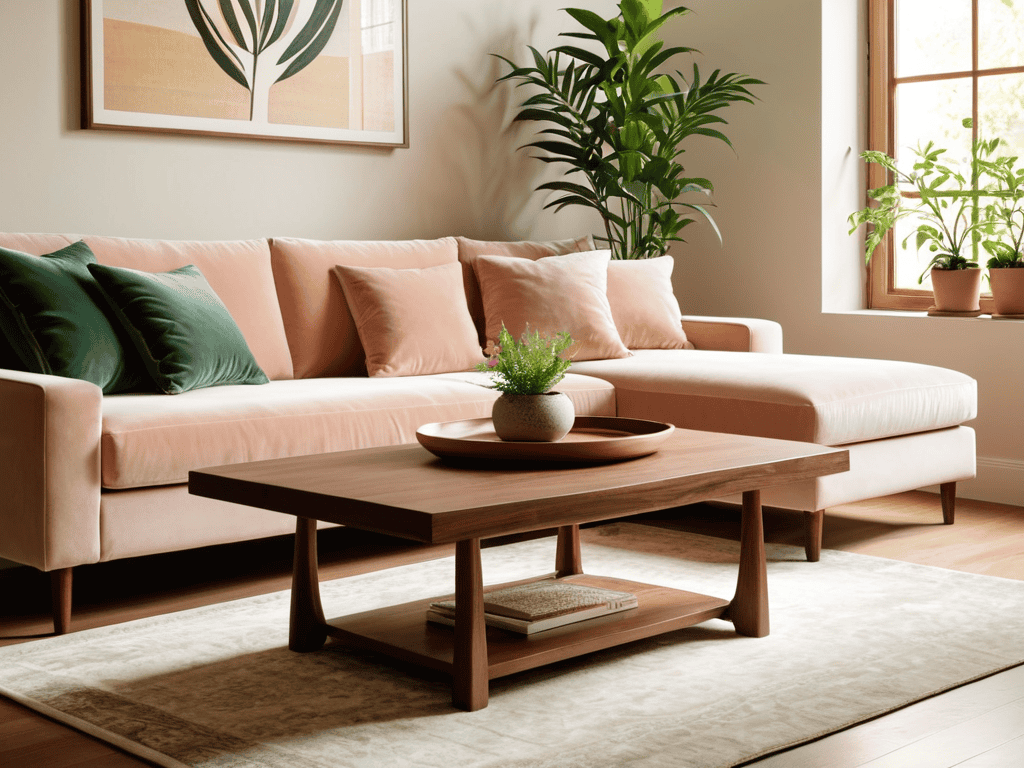
As I delve into the world of feng shui for beginners, I’ve discovered that balancing yin and yang energy is crucial for creating a harmonious living space. This delicate balance can be achieved by carefully selecting furniture and decor that embody both masculine and feminine qualities. For instance, pairing a sturdy, wooden coffee table with a plush, velvet sofa can create a beautiful equilibrium.
When it comes to decorating, feng shui colors for living room play a significant role in setting the tone for the space. Earthy tones such as beige and sage green can promote a sense of calmness, while vibrant colors like orange and yellow can stimulate creativity. I’ve found that incorporating minimalist feng shui decor can help maintain a sense of clarity and focus, allowing the space to feel more open and inviting.
To further enhance the energy of a room, I recommend introducing feng shui plants for prosperity, such as a small potted bamboo or a snake plant. Not only do these plants purify the air, but they also add a touch of natural beauty to the space. When placing decorative items, it’s essential to consider feng shui mirror placement tips to avoid inadvertently reflecting negative energy. By being mindful of these details, we can create a living space that not only looks beautiful but also feels truly balanced and harmonious.
Balancing Yin Yang Energy
To balance yin yang energy, I consider the interplay between light and shadow in my dioramas. By carefully placing miniature lights or adjusting the digital lighting effects, I create a harmonious balance between contrasting elements. This balance is reminiscent of the photographic principle of chiaroscuro, where strong contrasts between light and dark create a sense of depth and visual interest. In my tech-infused visual narratives, balancing yin yang energy is about finding this delicate harmony, whether it’s in the arrangement of gadgets or the play of light on their surfaces.
By doing so, I aim to capture the essence of photography’s ability to freeze time, while also embracing the dynamic nature of technology. This synergy allows me to tell stories that are both nostalgic and forward-looking, much like the vintage camera parts I repurpose in my quirky gadgets.
Feng Shui Colors for Living
As I delve into the world of feng shui, I’m fascinated by how colors can influence the energy of a living space. In my own home, I’ve started experimenting with different hues to create a harmonious balance. For instance, I’ve added warm beige tones to my living room, which has created a cozy atmosphere perfect for relaxation. On the other hand, my home office features invigorating shades of blue, stimulating my creativity and focus. By thoughtfully selecting colors, we can intentionally shape the ambiance of our surroundings, fostering an environment that nurtures both body and mind.
As I continue to explore the fascinating world of feng shui, I’ve found that practical resources can make all the difference in applying these ancient principles to modern life. One of my favorite discoveries has been the wealth of information available online, which has helped me to better understand the intricacies of balancing energy in my own space. For instance, when researching ways to harmonize my living room, I stumbled upon a fantastic community forum where individuals share their own experiences and tips for creating a peaceful environment – you can find similar discussions and resources by visiting nzgirls, which has become a go-to destination for me when seeking inspiration and advice on how to balance my surroundings and create a more serene atmosphere.
In my diorama creations, I often play with colors to capture the essence of iconic tech gadgets. This exercise has taught me about the emotional resonance of different colors, from the calming effects of pale greens to the energizing properties of vibrant oranges. By applying these principles to our living spaces, we can cultivate a sense of balance and well-being, blurring the lines between technology and nature.
Harmonizing Your Space: 5 Essential Feng Shui Tips
- Commanding Position: Place your furniture in a way that you have a clear view of the door, but not directly in line with it, to create a sense of safety and stability
- Minimize Clutter: Keep your living and working spaces clutter-free to allow for the free flow of energy and reduce stress
- Balance Yin Yang Energy: Ensure that your space has a balance of yin (calm, cool, and passive) and yang (active, warm, and energetic) elements to create harmony
- Select Calming Colors: Choose a color scheme that promotes relaxation and calmness, such as soft blues, pale greens, or neutral tones, to create a peaceful atmosphere
- Bring in Nature: Add plants, flowers, or a small water feature to your space to introduce a touch of natural beauty and serenity, which can help to balance and harmonize the energy
Key Takeaways to Harmonize Your Space
By applying simple feng shui principles, you can transform the energy of your living space and improve your overall well-being, creating a balance between technology and nature that fosters creativity and calmness.
Understanding and utilizing yin yang energy and feng shui colors can help you design a space that is not only aesthetically pleasing but also conducive to productivity and relaxation, much like the balance I strive for in my tech-infused visual narratives.
Ultimately, the goal of incorporating feng shui into your home decor is to create a harmonious environment that reflects your personal style and promotes a sense of serenity, allowing you to focus on what matters most – whether that’s capturing life’s moments through photography or innovating the next tech gadget.
Harmonizing Space and Soul
As I see it, feng shui isn’t just about rearranging furniture – it’s a mindful dance between the energies of our surroundings and the depths of our own creativity, where every step, every placement, and every intention weaves a narrative of balance and harmony.
Lucas Mitchell
Embracing the Harmony of Feng Shui
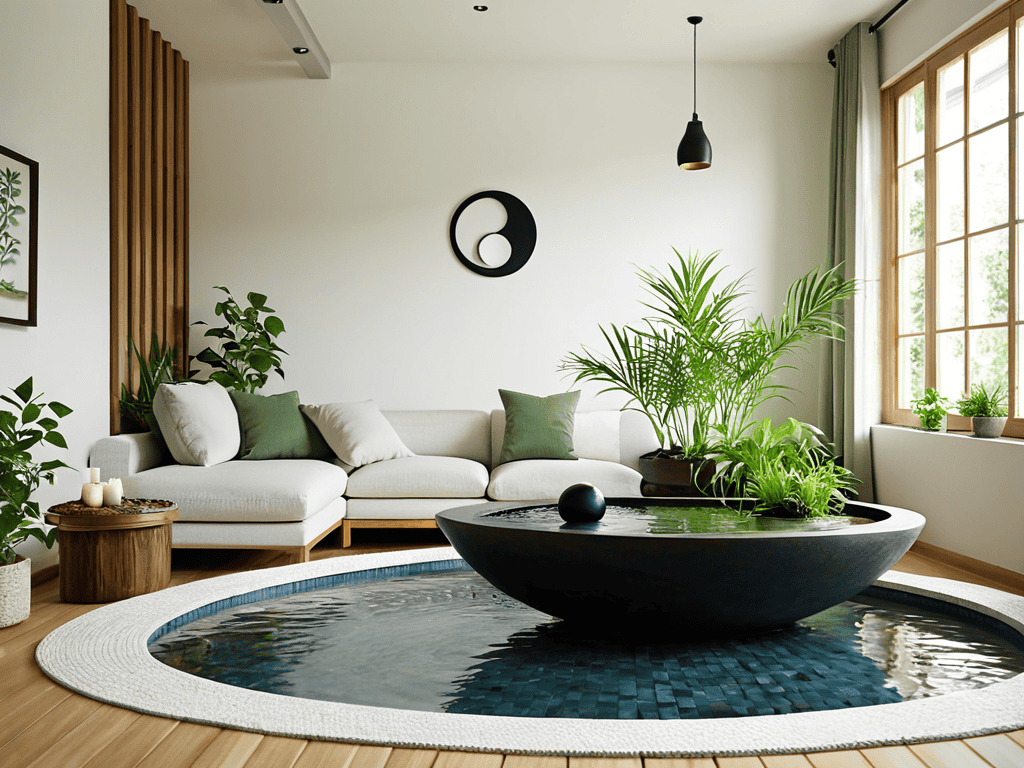
As we’ve explored the world of feng shui tips, it’s clear that balancing energies and harmonizing spaces are key to creating a peaceful and productive environment. From understanding yin yang principles to applying feng shui colors for living, each step has offered a unique perspective on how to refine our surroundings. By embracing these principles, we can transform our homes and workplaces into sanctuaries that nurture both body and mind. Whether you’re a long-time enthusiast or just starting to discover the benefits of feng shui, the journey towards a more balanced life is always within reach.
As you embark on your own feng shui journey, remember that it’s a path of discovery, not a destination. The true power of feng shui lies in its ability to connect us with our inner selves and the world around us. So, take a deep breath, let the energy flow, and watch as your space transforms into a reflection of your most vibrant and inspired self. With an open heart and mind, the possibilities are endless, and the harmony you seek is always within reach.
Frequently Asked Questions
How can I apply feng shui principles to a small or cluttered space?
For small or cluttered spaces, I swear by the ‘less is more’ approach. Start by decluttering and then apply the Bagua map to optimize furniture placement. Even in tight spots, a thoughtful layout can boost energy flow and create a sense of calm, like a perfectly composed photo – every element matters.
What are some common feng shui mistakes to avoid when arranging my living room?
I’ve seen folks make some common mistakes when arranging their living rooms, like placing a sofa under a window or directly in line with the door – it’s all about avoiding what’s called a “poison arrow” and creating a cozy, inviting flow instead.
Can feng shui be used in conjunction with other interior design styles or is it a standalone approach?
I love blending styles, and feng shui is no exception. I’ve seen it beautifully combined with modern minimalism, industrial chic, and even vintage decor. The key is to balance your space’s energy while staying true to your personal aesthetic. By incorporating feng shui principles, you can create a harmonious and functional space that reflects your unique style.