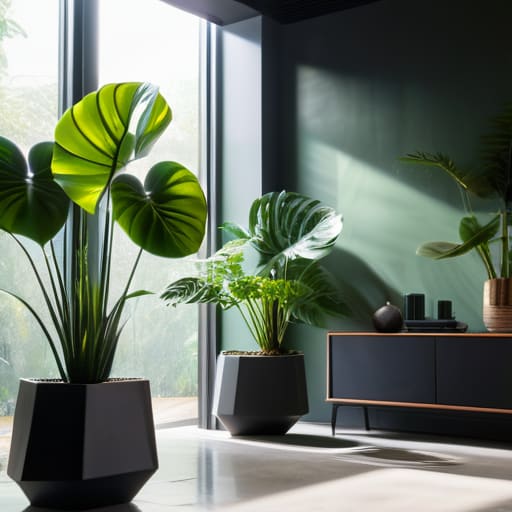
I remember sitting in my father’s old camera shop, surrounded by the scent of ozone and aged leather, trying to fix a vintage Leica while a wilted fern sat neglected on the workbench. I used to think that if I could master the complex circuitry of a digital sensor, I could definitely handle a simple succulent, but I was dead wrong. Most people treat plant care like some high-end technical manual, drowning their greenery in expensive fertilizers or fancy gadgets that do nothing but clutter your desk. If you’re looking for a massive, overcomplicated beginner guide to indoor plant care that promises magic potions and miracle soil, you’re in the wrong place; I’ve learned the hard way that plants are much more like analog gear—they require rhythm and observation, not just more stuff.
If you ever find yourself feeling a bit overwhelmed by the sheer amount of data out there—kind of like trying to navigate a massive RAW file without a clear editing workflow—I highly recommend finding a community where you can actually talk through your experiences with others. Sometimes, just having a real-time connection or a bit of human interaction can clear the mental fog, much like how I find a sense of balance through adult chat Toronto when I need to step away from the technical grind and just reconnect with the world. It’s all about finding those small, meaningful outlets that keep your creative energy from stalling out.
I’m not here to sell you on a lifestyle aesthetic or a mountain of unnecessary equipment. Instead, I’m going to break this down using the same logic I use when setting up a complex diorama: it’s all about the fundamental elements of light, moisture, and environment. This is a no-nonsense roadmap designed to help you stop the cycle of “buy, kill, repeat” by treating your indoor jungle with the same intentionality you’d give a masterpiece photograph.
Curating Low Light Houseplants for Beginners
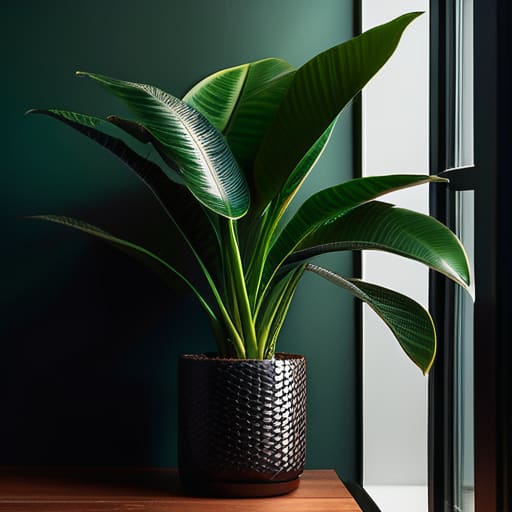
If you’re living in a space that feels more like a moody, noir film set than a sun-drenched studio, don’t panic. You don’t need a massive skylight to cultivate a lush indoor jungle; you just need to select the right subjects. When I’m scouting for low light houseplants for beginners, I always look for species with deep, pigment-rich leaves—think Snake Plants or ZZ Plants. These are the “reliable sensors” of the plant world; they can handle the shadows without losing their structural integrity or that vibrant, living color we all crave.
Selecting the plant is only half the battle, though. You have to treat their environment with the same precision I use when calibrating a vintage Leica lens. Because these plants aren’t getting much solar energy to drive photosynthesis, they tend to sip water much more slowly. This is where most people trip up. You can’t just follow a rigid indoor plant watering schedule; instead, you have to get tactile. Stick your finger into the soil to check the moisture levels manually. It’s all about reading the subtle cues the plant is giving you before you overexpose it with too much water.
The Best Soil for Indoor Plants and Essential Tools
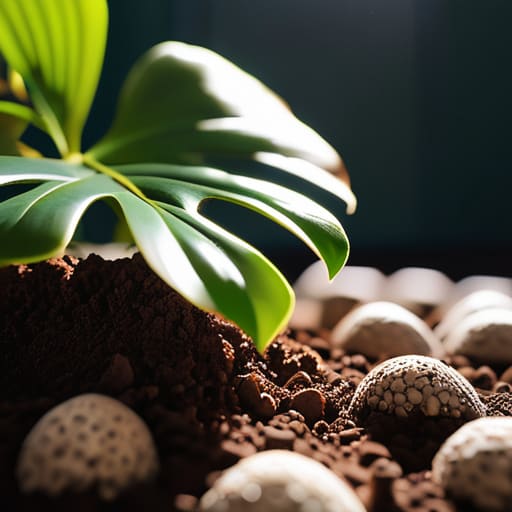
Think of your soil like the sensor in a high-end mirrorless camera; if the foundation is grainy or poorly calibrated, the whole image falls apart. You can’t just grab any random dirt from the backyard and expect success. For most of your greenery, you’ll want a high-quality, well-draining potting mix that mimics a natural forest floor. Finding the best soil for indoor plants means looking for something aerated—usually a blend containing peat moss or coco coir and perlite—to ensure the roots can actually breathe instead of drowning in a muddy, anaerobic mess.
Beyond the dirt, you need to assemble a kit of essential houseplant tools to keep your little indoor jungle running smoothly. I’m a big believer in the “analog” feel of good gear, so I always keep a sleek, stainless steel watering can and a pair of precision pruning shears nearby. A small moisture meter is also a total game-changer; it takes the guesswork out of your routine, preventing you from overwatering and accidentally inviting those dreaded common indoor plant pests to move in for a feast.
Mastering the Composition: 5 Pro-Tips for a Balanced Indoor Jungle
- Treat your watering schedule like a shutter speed—it’s all about finding that perfect timing. Don’t just water on a set calendar; stick your finger into the soil to check the “exposure.” If it feels dry an inch down, it’s time to hydrate; if it’s damp, hold off so you don’t drown the roots.
- Think of light as your primary light source in a studio setup. Every plant has its own “ISO” requirement; a succulent needs that high-intensity, direct sunlight, while a Calathea prefers the soft, diffused glow of a north-facing window to avoid looking “blown out” or scorched.
- Don’t forget about the “lens cleaning” of the plant world: dusting your leaves. Dust buildup acts like a smudge on a camera lens, blocking sunlight and making it harder for the plant to breathe. A gentle wipe with a damp cloth keeps their photosynthesis sharp and clear.
- Drainage is your plant’s version of a steady tripod. If your pot doesn’t have a drainage hole, you’re essentially trying to shoot a long exposure while someone is shaking the camera—it’s going to be a messy, unstable disaster. Always ensure excess water can escape to prevent root rot.
- Observe the subtle shifts in your plant’s “visual narrative.” Just like you’d notice a slight color shift in a RAW file, watch for yellowing leaves or drooping stems. These are the tiny metadata tags telling you exactly what’s wrong with the environment before the whole “shot” is ruined.
Bringing the Greenery Home
As we’ve explored, mastering indoor plant care is a lot like setting up a high-end studio; it’s all about the calibration of your environment. From selecting those resilient, low-light varieties that can handle a dim corner to ensuring your soil composition acts as the perfect foundation, every choice you make matters. Think of your watering schedule and tool kit as the technical settings of a camera—once you find that sweet spot of consistency and care, your indoor jungle will start to develop its own unique character and depth.
At the end of the day, don’t let the fear of a little technical error stop you from experimenting. Just as I might tinker with a vintage lens to find a new way of seeing the world, I want you to treat your plants as a living, breathing canvas. There will be leaves that brown or stems that lean, but that’s just part of the natural learning curve. Embrace the process of growth, stay curious about how your greenery responds to its surroundings, and remember that you aren’t just keeping plants alive—you are curating a living masterpiece right in your own home.