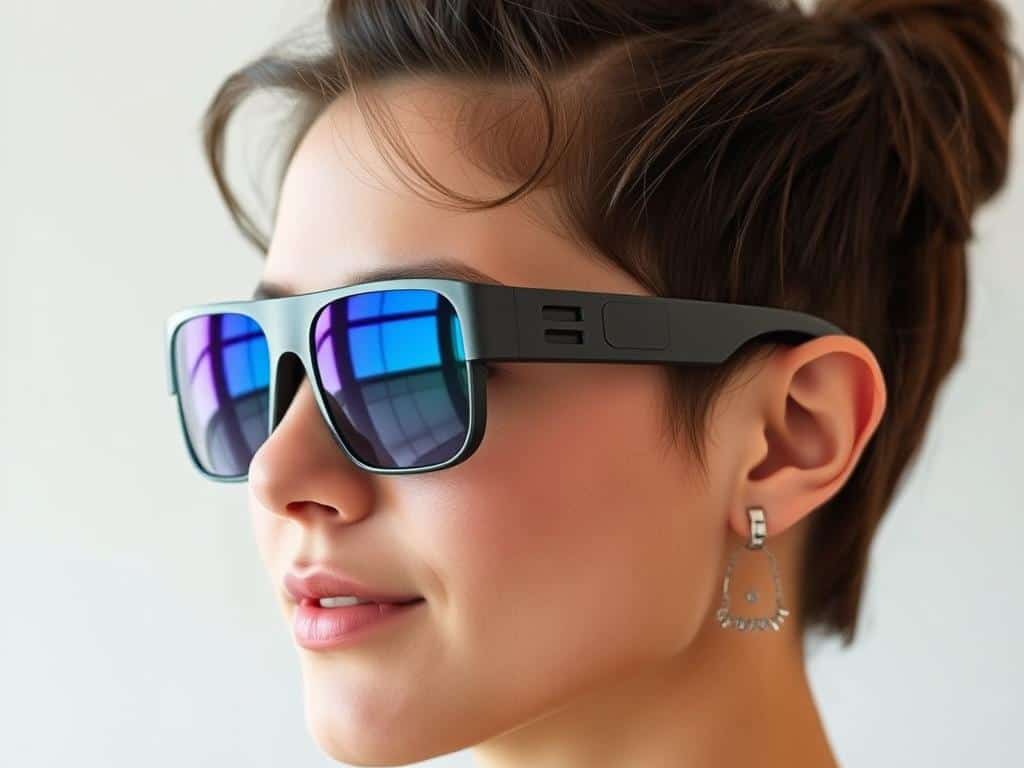
Did you know the wearable camera market is set to hit over $10 billion by 2025? This huge number shows a big change in how we share our lives. Now, with smart glasses and bodycams, we can record without using our hands. This lets us capture life’s moments in a new way.
These small devices are great for everything from fun vlogs to serious work in healthcare and law. As I look into wearable cameras, I see how they’re changing our world. They’re making a big impact on both our personal and work lives in ways we never expected.
Key Takeaways
- The wearable camera market is projected to exceed $10 billion by 2025.
- Wearable cameras offer hands-free recording for various activities.
- Smart glasses and bodycams are leading innovations in this field.
- These devices enhance content creation for vloggers and professionals.
- Wearable cameras are rapidly gaining popularity across multiple industries.
Introduction to Wearable Cameras
Wearable cameras blend technology with personal storytelling. They record video and images from your point of view. This lets you capture moments without using your hands.
They’re great for outdoor adventures and daily life. Knowing what wearable cameras are helps us see how they document our lives.
Defining Wearable Cameras
Wearable cameras are devices you wear on your body. They include body-worn cameras, action cameras, and smart glasses with cameras. These gadgets let you record your experiences as they happen.
They offer features like voice control and image stabilization. This makes it easy to capture moments without interrupting them.
Evolution of Wearable Cameras
The history of wearable tech started in the 1970s with early ideas like “WearComp.” By the late 1990s and early 2000s, wearable cameras gained popularity. They were used for life-logging, automatically recording daily activities.
Products like GoPro and Google Glass showed their wide range of uses. Today, wearable cameras are more advanced, appealing to many users.
Advancements in Wearable Cameras Technology
Wearable cameras have seen big changes, moving towards being smaller and lighter. These updates make them easier to use every day. Thanks to new tech, cameras are now tiny and can handle tough situations.
Miniaturization and Lightweight Designs
Miniaturization is key to making wearable cameras better. By making them smaller and lighter, they’re more comfortable to wear. This change lets people record moments easily without feeling weighed down.
My own use of these cameras shows that a lighter design makes filming more natural. It encourages capturing life’s moments without hassle.
Improved Image Quality and Connectivity Features
There’s also a big leap in video quality. New tech in sensors and algorithms has made videos clearer and sharper. Now, many cameras can record in high-definition or even 4K.
Features like Bluetooth and Wi-Fi make sharing videos easy and fast. This makes wearable cameras even more useful for daily life.
Applications and Impacts of Wearable Cameras
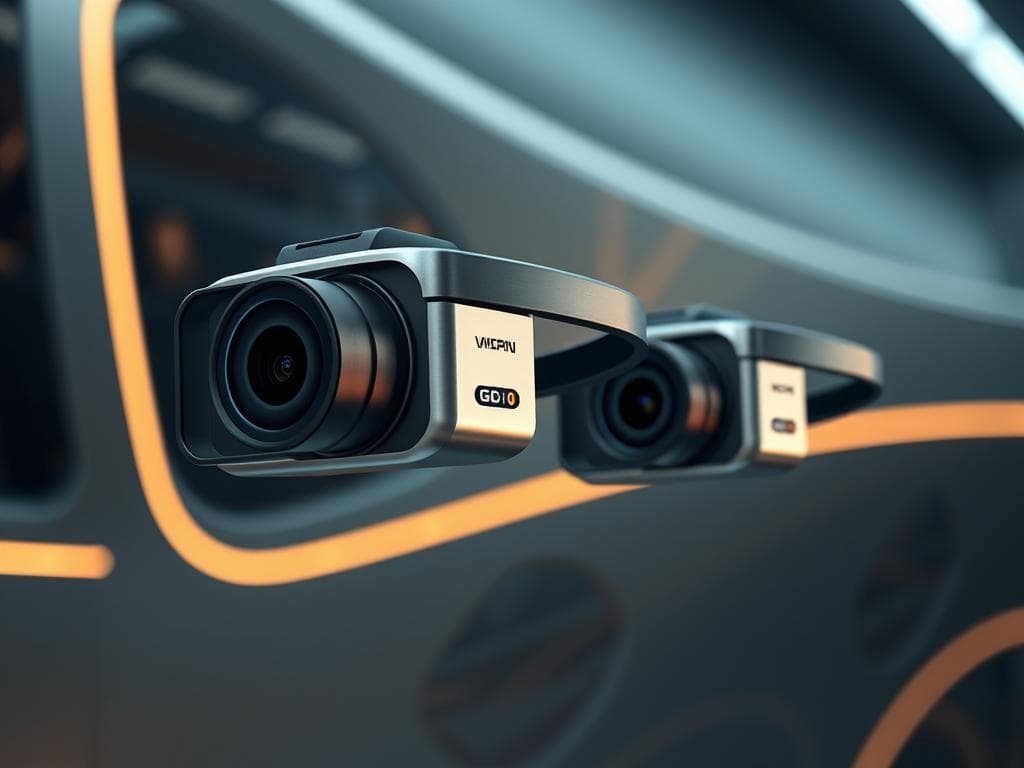
Wearable cameras have changed how we record our lives, big and small. They give us a unique view of the world, making stories more engaging. This is why they’re so valuable in many areas.
Sports and Adventure
In sports, wearable cameras are a game-changer. They let athletes and fans capture the excitement of their adventures. Whether it’s climbing mountains or racing on rough trails, these cameras let us relive the thrill and share it with others.
Professional Use in Various Industries
Wearable cameras are also used in jobs like law enforcement and healthcare. Police wear them to be more open and honest with the public. In healthcare, they help with remote doctor visits, making care better and more personal. This shows how important these cameras are for clear communication and building trust.
Conclusion
The future of wearable cameras looks bright, with fast tech growth and more people wanting to record without hands. As someone who loves new gadgets, I’m excited about better smart device links and data handling. We’ll soon see easier sharing and storing of our moments.
But, there are big ethical issues to think about. Wearable cameras in public raise privacy and consent questions. As I dive deeper into these gadgets, it’s key for makers and users to tackle these problems. We need to find a way to balance new tech with people’s rights.
As wearable tech gets better, it will change how we share our lives. It will make storytelling in personal and work settings new again. The mix of cool features and careful use will decide if we’ll keep using these cameras every day. The next steps will be really interesting!
