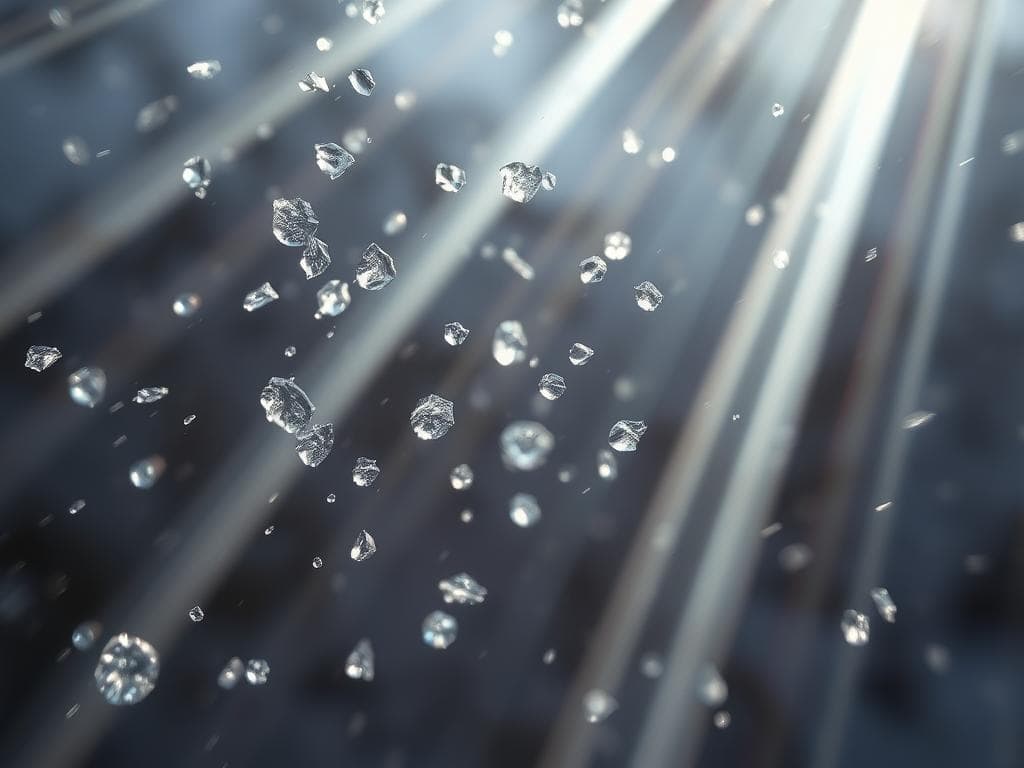
Did you know high-speed photography needs shutter speeds over 1/1000th of a second? This shows how fast our world is. It’s so quick, our eyes often miss it. With high-speed photography, I can catch these fast moments, making them clear and alive.
Freezing fast subjects has a long history, starting in the late 19th century. Edward Muybridge’s work was a big step forward. Today, I can freeze everything from water splashes to balloons bursting. But, it takes the right tools and a bit of tech know-how.
In this article, I’ll share the key parts of high-speed photography. You’ll see how fast shutter speeds help me capture amazing images. It’s all about revealing the beauty in our fast world.
Key Takeaways
- High-speed photography allows for freezing moments that occur in a fraction of a second.
- Standard shutter speeds for this technique are over 1/1000th of a second.
- Equipment like sturdy tripods and additional flash units can enhance high-speed photography.
- Common subjects include splashes, breaking objects, and sports movements.
- Practicing high-speed photography improves timing and reflexes.
- Advanced technologies, such as remote triggers, aid in capturing precise moments.
Understanding High-Speed Photography Techniques
High-speed photography lets me capture moments that are usually missed. It freezes motion, showing us the tiny details we often overlook. Whether it’s water droplets or paint splashes, this method reveals the beauty of fast motion.
In this section, I’ll cover the basics of high-speed photography. We’ll look at shutter speed, lighting, and special techniques.
What is High-Speed Photography?
High-speed photography uses fast shutter speeds to freeze motion. Modern cameras can shoot at speeds of 1/2000 seconds or more. This technique shows us the hidden details of fast-moving scenes.
Mastering Shutter Speeds for Stunning Results
Getting great results in high-speed photography depends on mastering shutter speeds. A shutter speed of 1/200 seconds is fast, but for the fastest shots, speeds over 1/1000 seconds are needed. I experiment with different settings to get the best shots.
Special camera triggers help me capture light or motion instantly. This lets me freeze dynamic scenes perfectly.
Role of Lighting in High-Speed Photography
Lighting is key in high-speed photography. Fast shutter speeds mean less light, so strong lighting is needed. Studio flash packs can light scenes in just 1/10,000th of a second.
I sync my lighting with my camera to capture every moment sharply. This ensures each fast moment is clear and detailed.
Essential Equipment for High-Speed Photography
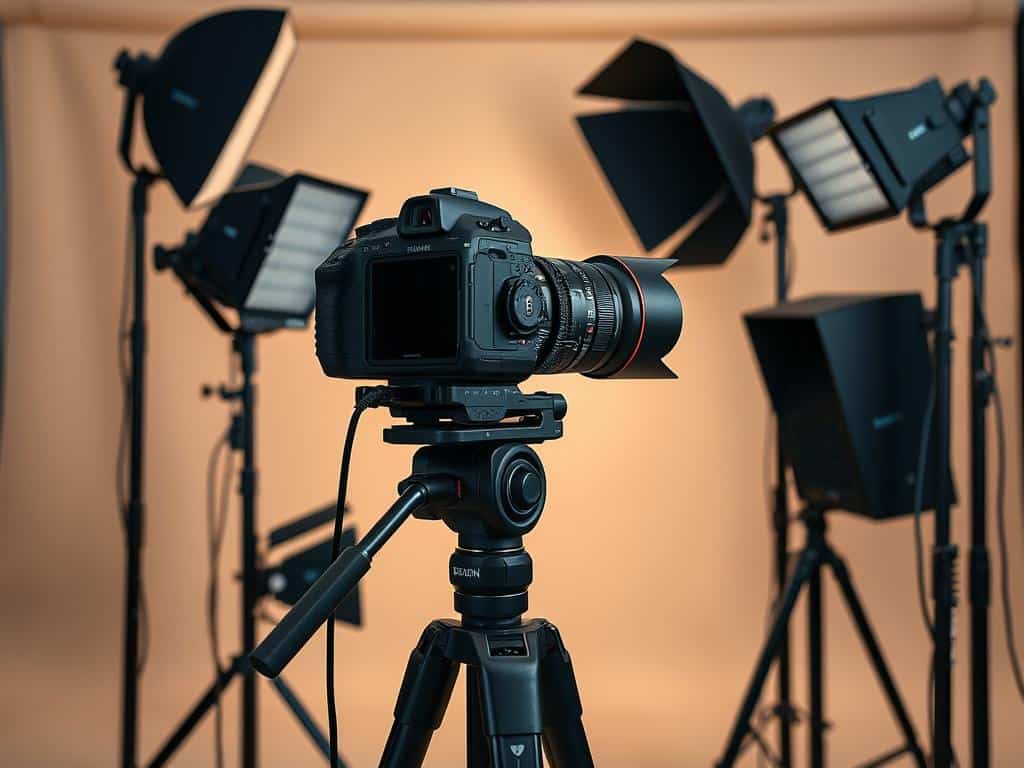
Choosing the right high-speed photography equipment is key to great shots. A good camera setup is the base for capturing fast moments. I use DSLR or mirrorless cameras for their manual options and fast flash sync speeds.
These features help avoid ghosting, keeping images sharp. A sturdy tripod is also essential. It keeps the camera steady during quick shots, reducing shake.
In fast-paced scenes, pre-focusing on subjects saves time. It also boosts focus accuracy.
Cameras and Setup
For top-notch high-speed photos, I set ISO to 100-200 and aperture to f/11-f/16 in dark places. This setup lets in enough light while keeping focus sharp. A black backdrop absorbs light, reducing reflections and improving detail.
I also look for cameras that can hit shutter speeds of at least 1/2000th of a second. This is key for capturing fast subjects.
Flash Units and Accessories
Flash units are vital for lighting subjects quickly. I use speedlights or studio strobes for their adjustable power. Lower flash settings, like 1/128th, help capture brief moments, sometimes in just 1/35,000th of a second.
Accessories like diffusers soften the light. Using multiple flashes at different angles ensures even lighting. This is critical for clear shots of moving subjects.
Using Triggers for Timing Perfection
The role of camera triggers in precise timing is huge. Tools like the MIOPS Smart+ let me set off the shutter with sound or light. This automation is perfect for catching moments like water droplets falling or a bullet through an apple.
By linking these triggers with my lights, I sync flashes with the shutter. This leads to cleaner, more detailed photos.
Creative Applications of High-Speed Photography
High-speed photography lets us capture the unexpected. It turns brief moments into amazing images. We can explore motion and time through water droplet, splash, and freeze motion techniques.
Capturing Water Droplets and Splashes
Water droplet photography shows the beauty in everyday life. With tools like the MIOPS Smart trigger, I can catch splashes perfectly. This lets me freeze droplets in mid-air, revealing shapes and reflections we often miss.
Adding colored lights or different backgrounds makes these images even more vibrant. It’s a chance to create dramatic and colorful photos.
Freezing Motion in Everyday Life
Freeze motion in everyday life turns simple actions into stunning visuals. A child jumping in a puddle or a pet leaping can become a dynamic subject. I use fast shutter speeds and flashes to capture these moments.
Remote triggers help me catch these high-speed moments. They reveal textures and dynamics, showing the beauty of life around us.
Exploring Experimentation with Burst Shots
Burst shots let me take many photos quickly. This is great for capturing high-energy events like sports or wildlife. By trying different angles and compositions, I find new ways to tell stories.
Each burst shot is a chance to express my creativity. It shows the fleeting nature of time in a single photo.
Conclusion
High-speed photography lets us see things we usually miss. It captures moments that are hard to notice. By using fast shutter speeds, we can freeze motion perfectly.
This skill turns simple scenes into amazing stories. It shows us the beauty of movement and detail.
Using advanced tools like the MIOPS Smart Trigger helps me explore high-speed photography. I need multiple flashes and high ISO speeds for the best results. It takes practice, but it’s worth it.
High-speed photography is used in many fields, like science and sports. It also inspires artists. Whether I’m using a special lens or a camera’s continuous mode, the options are endless.
Being patient and practicing makes this field exciting and creative. It opens up new ways to see and capture the world.
