I once found myself in a standoff with a particularly defiant cabbage moth. There I was, armed with nothing but good intentions and a spray bottle of diluted vinegar, while the little winged menace seemed to laugh in my face—metaphorically, of course. It’s in moments like these, when you’re contemplating whether or not to give up gardening altogether, that you realize something’s got to change. You can’t just keep playing whack-a-mole with pests and expect a victory parade. So, I turned to natural pest control methods, hoping to reclaim some sanity and, let’s be honest, a few cabbages along the way.

But before you start picturing me as some kind of garden guru, let’s get one thing straight: I’ve made all the mistakes so you don’t have to. In the journey ahead, I’ll share my trials and triumphs, from experimenting with companion planting to enlisting an army of beneficial insects. We’ll dive into the gritty details of neem oil and insecticidal soap, the unsung heroes in this battle against garden invaders. Stick around, and together we’ll transform this pest predicament into a tale of victory and maybe a bit of redemption for our beleaguered gardens.
Table of Contents
- How Neem Oil Became My Garden’s Best Friend (And Slightly Annoying Roommate)
- The Unexpected Charm of Neem Oil: More than Just a Pest Control
- When Neem Oil Overstays Its Welcome: A Cautionary Tale
- How I Turned My Garden into a Pest-Free Zone Without Losing My Mind
- Nature’s Arsenal: Keeping the Garden Pests at Bay
- Nature’s Arsenal: A Gardener’s Secret
- Squashing Bugs Without Squashing Your Conscience: FAQs on Natural Pest Control
- The Sweet Revenge of Nature’s Arsenal
How Neem Oil Became My Garden’s Best Friend (And Slightly Annoying Roommate)
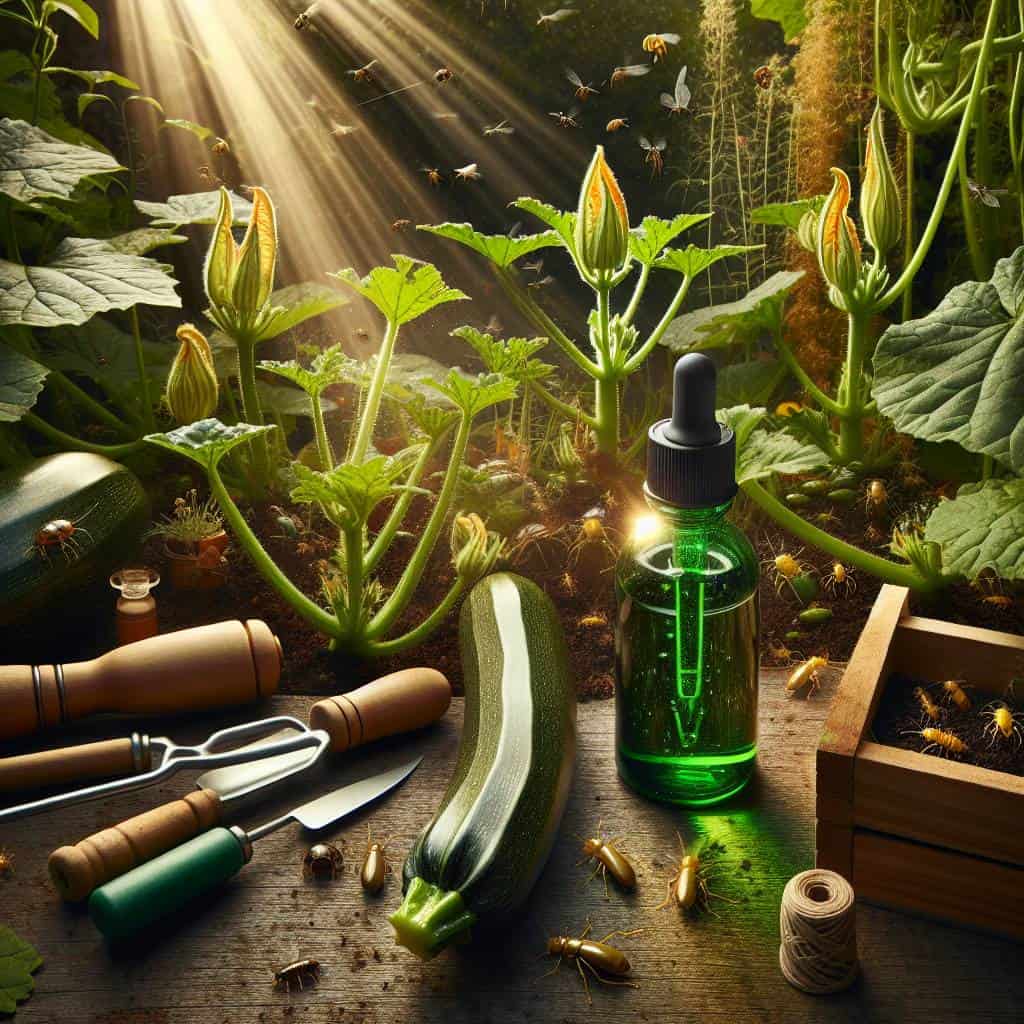
Neem oil—let me tell you, it’s the unsung hero I’ve been waiting for. Picture this: a garden teeming with life, not the kind you want, but the kind that munches through your zucchini like it’s an all-you-can-eat buffet. Enter neem oil, the aromatic elixir that transformed my garden from a bug paradise to a bug-free haven. This stuff is pure magic; it’s like Mother Nature’s own brand of insecticidal soap. It targets those pesky aphids and spider mites without laying waste to the beneficial insects that keep your garden ecosystem humming. Companion planting is great, but sometimes you need a little more firepower, and neem oil is just the right kind of artillery.
But here’s the rub—the slightly annoying roommate part. Neem oil, with its nutty, garlicky scent, has a way of lingering. It’s like that one friend who overstays their welcome. You see, after a good garden drenching, the smell tends to hitch a ride indoors on my clothes, like an unwelcome hitchhiker. It’s that earthy reminder that natural pest control, while effective, comes with its quirks. Yet, despite this olfactory offense, I’d say the pros far outweigh the cons. My garden is thriving, pests are at bay, and my conscience is clear knowing I’m not dosing my vegetables in chemicals. So, neem oil, you may be a bit of a clingy companion, but you’re my kind of ally in this wild world of gardening.
The Unexpected Charm of Neem Oil: More than Just a Pest Control
Neem oil is like that unassuming friend who surprises you with their hidden talents. Sure, it’s hailed as the knight in shining armor against aphids and spider mites, but this golden liquid has a way of sneaking into your life with unexpected benefits. Take, for instance, its knack for being a plant’s personal spa treatment. Neem oil doesn’t just fend off the villainous bugs; it also gives your plants a glossy sheen, like they’ve just stepped out of a fancy botanical salon. It’s as if they’re whispering, “I woke up like this,” while basking in the morning sun.
And let’s not forget its role as an olfactory trailblazer. The scent of neem oil, which some might describe as earthy with a hint of garlic, is an acquired taste—or smell, rather. But once you get past its pungent introduction, it becomes oddly comforting. It’s a bit like the smell of rain-drenched soil or that first sip of strong coffee in the morning—a little jarring at first, but soon you can’t imagine your garden without it. So while it may have started as a pest-fighting sidekick, neem oil has earned its place as an indispensable part of the garden’s ecosystem, quirks and all.
When Neem Oil Overstays Its Welcome: A Cautionary Tale
Neem oil and I had a bit of a honeymoon phase when I first introduced it to my garden. It was the knight in shining armor, rescuing my tomatoes from the clutches of aphids and keeping my roses pristine. But like any houseguest who lingers a bit too long, it started to reveal its quirks. You see, neem oil doesn’t just pack its bags and leave once the pests are gone. It hangs around, coating leaves with a greasy residue that can make them look like they just walked off the set of a bad shampoo commercial. And when the sun hits those leaves just right, they can fry faster than eggs on a hot skillet.
Then there’s the smell—an earthy, slightly acrid aroma that’s hard to ignore. At first, it felt like the scent of victory, the smell of a garden under control. But after a few weeks, it was like that one song you loved until the radio played it to death. I found myself sneaking out early to avoid the lingering smell, like a teenager slipping out to dodge chores. Neem oil is a powerful ally, but it’s a lesson in moderation. Too much of a good thing, and you’re left with crispy plants and nostrils begging for mercy.
How I Turned My Garden into a Pest-Free Zone Without Losing My Mind
- Meet the dream team: companion planting with marigolds and basil to give those pests a fragrant eviction notice.
- Unleash the tiny warriors: invite ladybugs and lacewings to your garden party, and watch them feast on aphids like it’s an all-you-can-eat buffet.
- Neem oil is your secret weapon, not just a buzzword—it’s like giving your plants a protective shield without the chemical warfare.
- Insecticidal soap: the friendly bouncer that kicks out the unruly pests but lets the good guys keep the party going.
- Remember, it’s a jungle out there, but with a little strategy, you can turn your garden into a peaceful haven where pests know better than to crash the party.
Nature’s Arsenal: Keeping the Garden Pests at Bay
Companion planting isn’t just a hippie-dippy concept; it’s a strategic alliance. Pairing your tomatoes with basil is like having a bouncer at the garden party—keeps the riff-raff out.
Beneficial insects are your garden’s secret agents. Ladybugs and lacewings don’t just look pretty; they’re the enforcers, taking down aphids with military precision.
Neem oil and insecticidal soap are your non-toxic weapons of choice. Think of them as the garden’s version of a security system—not flashy, but they get the job done without collateral damage.
Nature’s Arsenal: A Gardener’s Secret
The real power in a garden lies not in pesticides but in the silent alliances between plants and insects—where marigolds deter and ladybugs defend.
Squashing Bugs Without Squashing Your Conscience: FAQs on Natural Pest Control
How can companion planting help in pest control?
Picture this: your marigolds standing guard, repelling nematodes with the same fervor as a bouncer at a speakeasy. Companion planting is about pairing plants like a matchmaking service—except here, the goal is to deter pests, not romantic drama. Basil and tomatoes? Besties. They fend off unwanted guests like aphids and mosquitoes. The right neighbors can save your garden from becoming a pest playground.
What are beneficial insects and how do they work?
Imagine hiring an army of tiny mercenaries. Beneficial insects like ladybugs and lacewings are your garden’s own private security detail. They feast on the bad guys—aphids, mealybugs, and the like—keeping your plants safe without the need for chemical warfare. It’s nature’s own pest control, no contract required.
Is neem oil truly effective for natural pest control?
Neem oil is like the Swiss Army knife of pest control. Sourced from the seeds of the neem tree, this stuff doesn’t just repel pests; it disrupts their hormones. Imagine if they suddenly forgot how to eat or reproduce. That’s neem oil’s magic. Just remember, it’s potent, so use it with care. Overdo it, and you might end up with more than just pest-free plants—you could have a barren wasteland.
The Sweet Revenge of Nature’s Arsenal
So here I am, knee-deep in the dirt, realizing that nature’s been doing this pest control gig long before I ever got my green thumbs involved. And you know what? There’s something satisfying about watching those so-called ‘pests’ packing their bags when a few well-chosen plants and beneficial insects join the party. Neem oil might have overstayed its welcome on my shelf, but that earthy aroma now feels like an old friend—reliable, if a bit overbearing at times.
This journey into the world of natural pest control isn’t just about keeping my conscience clean or my plants thriving. It’s about finding allies in the most unexpected places. Who knew that teaming up with a few insecticidal soaps and companion plants could turn my little patch of soil into a fortress? It’s a reminder that sometimes, the simplest solutions are the most profound. And as the sun sets on another day, casting its golden light on my battle-scarred garden, I can’t help but feel a sense of victory—a raw, unpolished gem of a win that makes all the effort worthwhile.
