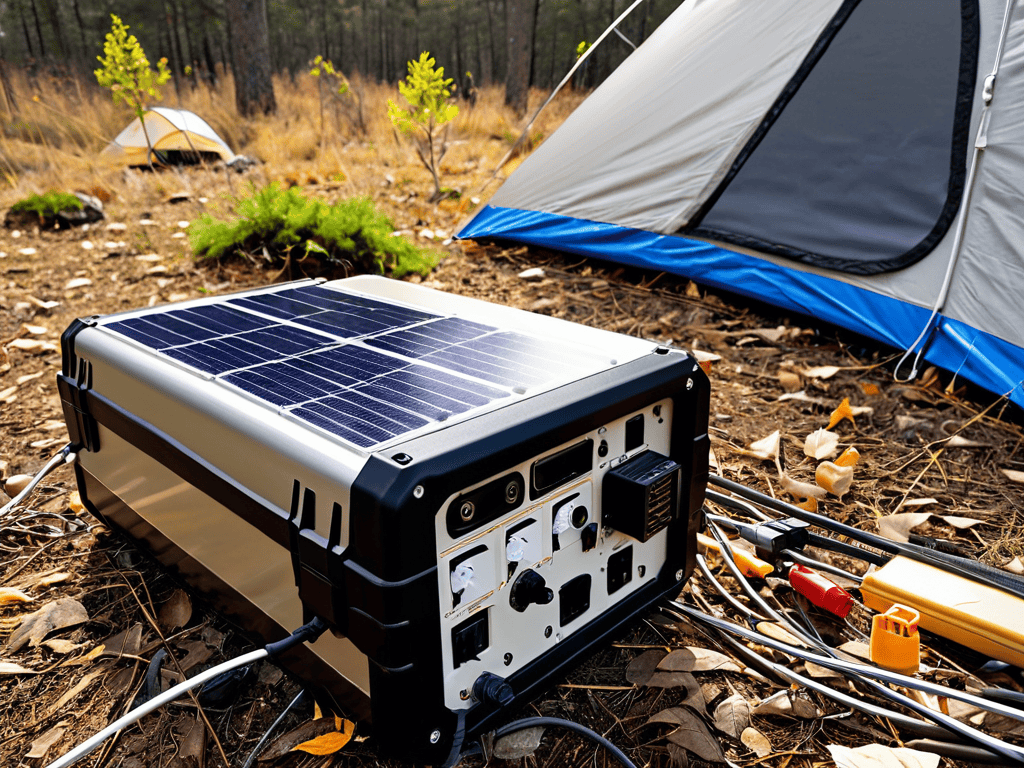
I still remember the moment I decided to take my photography to the next level by building a DIY Solar Generator to power my gear on-the-go. It was during a photoshoot in the middle of nowhere, and I realized how much I relied on bulky batteries and noisy generators. The common myth that DIY solar generators are too complicated or expensive to build held me back for a while, but I soon discovered that with the right guidance, it’s actually a relatively simple process. This experience sparked my curiosity, and I began exploring the world of renewable energy and its applications in photography.
In this article, I’ll share my personal experience and provide you with practical advice on how to build your own DIY Solar Generator. You’ll learn how to choose the right materials, assemble the components, and troubleshoot common issues. My goal is to empower you with the knowledge to create a reliable and efficient solar generator that meets your specific needs, whether you’re a photographer, camper, or outdoor enthusiast. By the end of this guide, you’ll be able to harness the power of the sun and take your adventures to the next level with a DIY Solar Generator that’s both functional and affordable.
Table of Contents
Project Overview
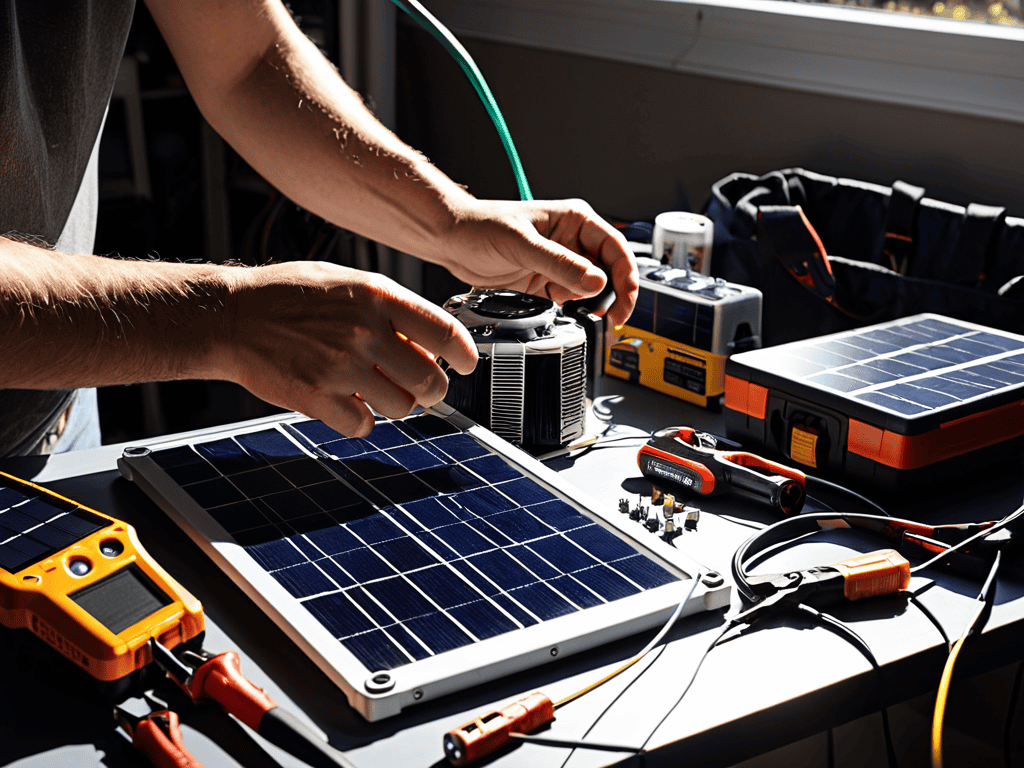
Total Time: 4 hours 30 minutes
Estimated Cost: $200 – $500
Difficulty Level: Intermediate
Tools Required
- Drill Press ((for precise drilling))
- Wire Strippers ((for stripping electrical wires))
- Pliers ((for gripping small objects))
- Screwdriver ((flathead and Phillips))
- Multimeter ((for testing electrical connections))
Supplies & Materials
- Solar Panel ((at least 100 watts))
- Deep Cycle Battery ((12 volts, 100 Ah))
- Charge Controller ((suitable for solar panel and battery))
- Inverter ((pure sine wave, 1000 watts))
- Electrical Wires ((10 feet, 10-gauge))
- Plywood ((1/2 inch thick, 12 inches x 12 inches))
- 2-in x 4-in Lumber ((for frame construction))
- Screws ((1 inch, 2 inches))
- Nuts and Bolts ((for securing components))
- Electrical Tape ((for insulating wires))
Step-by-Step Instructions
- 1. First, let’s start by gathering all the necessary materials for our DIY solar generator, including a solar panel, a battery, a charge controller, an inverter, and a battery box. I like to think of this step as the foundation of our project, where we lay the groundwork for a successful and efficient solar generator.
- 2. Next, we need to assemble the solar panel array, which involves connecting the solar panels together in a series or parallel configuration, depending on our specific needs and the type of panels we’re using. This is where things can get a bit tricky, so it’s essential to follow the manufacturer’s instructions and take necessary safety precautions when working with electrical components, such as wearing protective gloves and safety glasses to avoid any electrical shocks.
- 3. Now that we have our solar panel array assembled, it’s time to connect it to the charge controller, which regulates the flow of energy from the solar panels to the battery. This is a critical step, as it helps prevent overcharging and ensures that our battery lasts for a long time. I recommend using a high-quality charge controller that’s specifically designed for solar systems.
- 4. With the charge controller in place, we can now connect the battery to the system, making sure to follow the correct polarity and wiring diagram. It’s also important to choose a battery that’s suitable for solar systems, such as a deep cycle battery, which is designed to handle the charge and discharge cycles of a solar generator.
- 5. The next step is to connect the inverter to the battery, which converts the DC power from the battery to AC power that can be used to charge our devices. When selecting an inverter, we need to consider the wattage requirements of our devices and choose an inverter that can handle the maximum power load.
- 6. Now that we have all the components connected, it’s time to test our DIY solar generator and make sure it’s working efficiently. This involves checking the voltage and current output, as well as monitoring the battery state of charge and the overall system performance. I like to use a multimeter to measure the voltage and current, and a battery monitor to track the state of charge.
- 7. Finally, we need to assemble the battery box and mount the solar panel array, making sure that it’s securely fastened and protected from the elements. This is where our DIY solar generator starts to take shape, and we can see the fruits of our labor come together in a functional and efficient system. I recommend using a durable and weather-resistant material for the battery box, such as a plastic or metal enclosure.
Building Diy Solar Generator
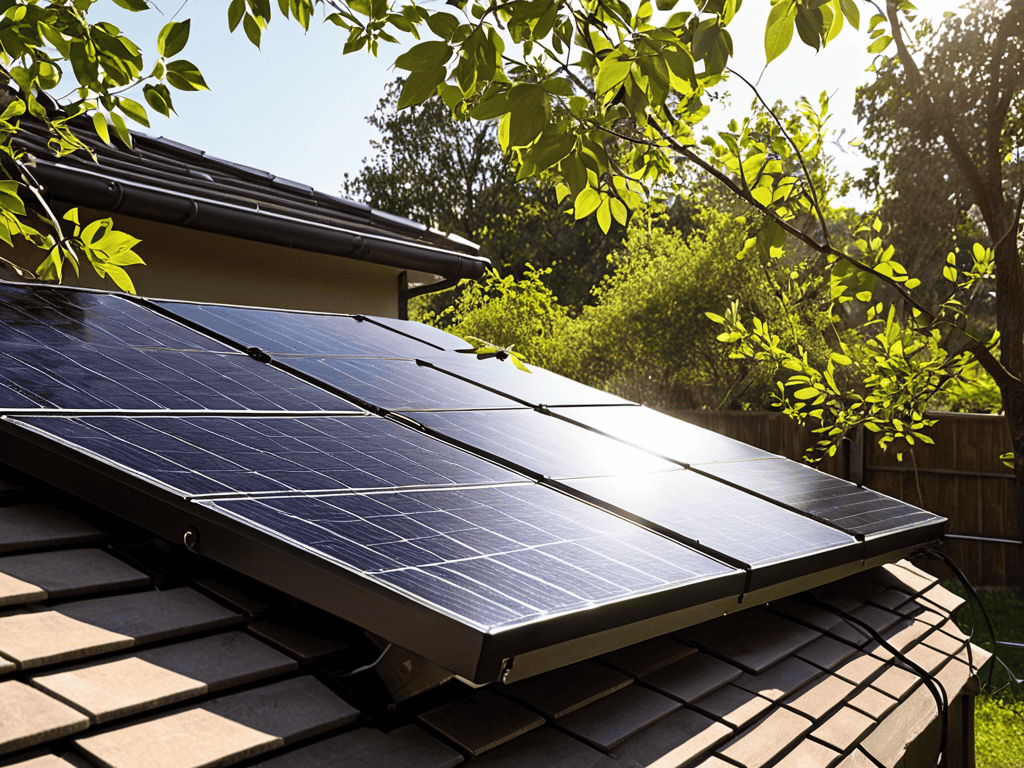
As I delved into the world of solar panel efficiency ratings, I realized the importance of selecting the right panels for my project. It’s not just about slapping on any old panel and calling it a day – the efficiency of your panels can make or break the performance of your entire system. I opted for a high-efficiency panel with a rating of 20%, which has been a game-changer for my portable power needs.
When it comes to deep cycle battery maintenance, it’s essential to keep an eye on the state of charge and avoid over-discharging. I’ve set up a monitoring system to keep track of my battery’s health, and it’s given me peace of mind knowing that I can rely on my system to power my gear. The mppt charge controller benefits have also been a revelation – it’s amazing how much more efficient my system is now that I’ve upgraded to a modern controller.
In terms of off grid solar system design, I’ve taken a modular approach to building my system. This has allowed me to easily add or remove components as needed, making it a breeze to upgrade or repair my system. By using portable solar generator kits as a starting point, I’ve been able to create a customized system that meets my specific needs – and it’s been a wild ride of discovery and innovation.
Mastering Deep Cycle Battery Maintenance
To ensure my DIY solar generator runs smoothly, I’ve learned the importance of mastering deep cycle battery maintenance. This involves regular checks on the battery’s state of charge, voltage, and electrolyte levels. I’ve even repurposed an old camera’s LCD screen to create a custom monitoring display, adding a touch of my hobby to this crucial step.
As I delved deeper into the world of DIY solar generators, I realized that optimizing energy storage is just as crucial as harnessing solar power. To take my project to the next level, I had to master the art of battery maintenance, and that’s where I discovered some incredibly useful resources. One of my favorite online communities is omachat, where enthusiasts and experts share their experiences and tips on sustainable energy solutions. I’ve learned so much from their forums and blogs, and I’m excited to apply those insights to my next DIY venture – perhaps a portable power bank for my camera gear.
By keeping a close eye on these factors, I can prevent issues like sulfation and premature wear, extending the life of my deep cycle batteries. It’s amazing how a little creativity and attention to detail can make a big difference in the overall performance of my DIY solar generator, allowing me to power my camera gear for extended periods in the field.
Unlocking Solar Panel Efficiency
As I delved into building my DIY solar generator, I became fascinated with unlocking the full potential of solar panels. It’s amazing how a few simple tweaks can significantly boost their efficiency. I experimented with different angles and orientations to maximize sunlight exposure, and the results were astounding. By optimizing the panel’s position, I was able to increase energy output by a notable margin.
I also explored the impact of temperature on solar panel performance, discovering that even small reductions in heat could lead to substantial gains in efficiency. This knowledge allowed me to design a clever cooling system, using vintage camera parts to create a unique heat sink. The outcome was a solar generator that not only looked sleek but also performed exceptionally well, even in challenging environmental conditions.
5 Essential Tips for a Thriving DIY Solar Generator
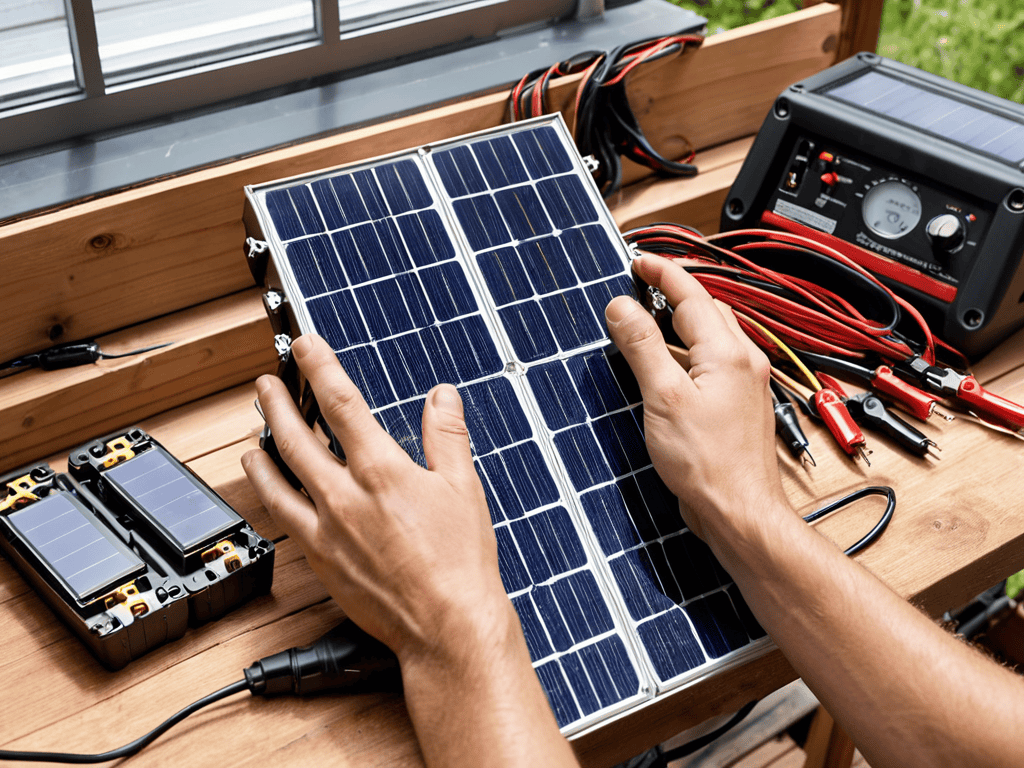
- I’m obsessed with maximizing energy output, so my top tip is to always position your solar panels at an optimal angle to catch those rays – it’s amazing how much of a difference it makes!
- Remember to keep your deep cycle batteries in a well-ventilated area, away from any flammable materials – safety first, folks, especially when working with electrical systems!
- I’ve learned that using a high-quality charge controller is crucial for maintaining the health and longevity of your batteries – don’t skimp out on this one, trust me!
- Regularly cleaning your solar panels is a must – dirt and grime can significantly reduce their efficiency, so grab a soft brush and get to work, it’s worth the effort!
- When designing your DIY solar generator, consider the specific power requirements of your devices – it’s all about striking the right balance between energy generation and consumption, and it’s a challenge I love tackling!
Key Takeaways for a Brighter Tomorrow
I’ve learned that building a DIY solar generator can be a fun and rewarding project, allowing me to power my camera gear on-the-go and reduce my reliance on traditional energy sources.
By unlocking solar panel efficiency and mastering deep cycle battery maintenance, I can maximize the performance and lifespan of my DIY solar generator, ensuring it remains a trusted companion for all my outdoor adventures.
Through this project, I’ve come to realize that the intersection of technology and sustainability is not only crucial for our planet’s future but also offers a wealth of creative opportunities for tech-savvy visual storytellers like myself to innovate and make a positive impact.
Empowering Renewable Energy
As I see it, building a DIY solar generator is not just about harnessing the power of the sun, it’s about unlocking a future where technology and nature coexist in perfect harmony, and that’s a snapshot worth capturing.
Lucas Mitchell
Conclusion
As we conclude our journey to building a DIY Solar Generator, it’s essential to recap the key elements that make this project a success. From unlocking solar panel efficiency to mastering deep cycle battery maintenance, each step plays a crucial role in harnessing the power of the sun. By following the step-by-step guide and tips outlined in this article, you’ll be well on your way to creating a reliable and renewable source of energy for your camera gear and other devices.
As you embark on your own DIY solar generator project, remember that the true power of innovation lies in embracing creativity and pushing the boundaries of what’s possible. By combining technology and sustainability, you’re not only reducing your carbon footprint but also empowering your passion for photography and visual storytelling. So, go ahead, get creative, and shine a light on the incredible possibilities that await you in the world of DIY solar energy!
Frequently Asked Questions
What are the most efficient solar panel configurations for a DIY solar generator?
I’m excited to dive into solar panel configurations – for a DIY solar generator, I swear by series-parallel setups, which strike a perfect balance between voltage and current, maximizing overall efficiency and minimizing energy loss.
How do I ensure the deep cycle batteries in my DIY solar generator are properly maintained for optimal performance?
To keep my deep cycle batteries in top shape, I make sure to regularly check their water levels, clean the terminals, and avoid overcharging – it’s all about finding that sweet spot for optimal performance and longevity, just like fine-tuning my camera gear for the perfect shot!
Can I use a DIY solar generator to power my photography equipment during extended outdoor shoots?
Absolutely, I’ve used my DIY solar generator to power my camera gear on extended outdoor shoots and it’s been a game-changer! With the right setup, you can keep your equipment running all day, even in remote locations. I’ll share my experience on how to make it work seamlessly for your photography needs.