
I still remember the day I realized my home was poisoning me. I had just moved into a beautiful, newly renovated apartment, but I couldn’t shake off the constant headaches and fatigue. That’s when I decided to conduct a Low-Tox Home Audit. I was shocked to discover the number of toxic substances lurking in every corner of my home, from the paint on the walls to the cleaning products under the sink. The truth is, our homes can be pretty toxic, and it’s time we take matters into our own hands.
In this article, I’ll walk you through a simple, no-nonsense guide on how to perform a Low-Tox Home Audit. You’ll learn how to identify potential toxic substances, ditch the bad stuff, and create a healthier living space. I’ll share my personal experience, tips, and tricks to help you navigate the process with ease. By the end of this article, you’ll be equipped with the knowledge to take control of your home’s toxicity and start breathing easier. So, let’s get started on this journey to a healthier home and a healthier you.
Table of Contents
Project Overview

Total Time: 2 hours 30 minutes
Estimated Cost: $20 – $50
Difficulty Level: Intermediate
Tools Required
- Notebook (for recording observations)
- Pencil (for marking areas of concern)
- Measuring Tape (for measuring rooms and spaces)
- Flashlight (for inspecting dark areas)
Supplies & Materials
- Non-Toxic Cleaning Products (for testing and replacement)
- Air Quality Monitor (for assessing indoor air quality)
- Moisture Meter (for detecting hidden water damage)
- Ventilation System Filters (for replacement if necessary)
Step-by-Step Instructions
- 1. First, let’s start with the obvious places – we’re talking about the rooms where you spend most of your time, like the living room and kitchen. Take a good hard look around and make a mental note of any potential toxic hotspots, like that old couch that’s been around since college or the mysterious stain on the kitchen counter that you’ve been meaning to investigate.
- 2. Next, grab a notebook and pen, and begin a room-by-room inventory of your home. Write down everything from the type of paint on the walls to the materials your furniture is made of. This might seem like a tedious task, but trust me, it’s worth it to get a clear picture of what’s really going on in your home.
- 3. Now it’s time to get a little more technical – we’re going to talk about air quality. Check your home for any sources of air pollution, such as mold, mildew, or strong chemical smells. If you have an air purifier, make sure it’s working properly and consider investing in a few more for other rooms in the house.
- 4. Let’s move on to the kitchen, where hidden toxins can lurk in everything from cookware to food storage containers. Take a close look at your cabinets and pantry – are you storing food in plastic containers that might be leaching chemicals into your meals? Consider switching to glass or stainless steel alternatives.
- 5. Time to tackle the bathroom, where personal care products can be a major source of toxic chemicals. Scan your shelves and countertops for any products containing harsh ingredients like parabens, sulfates, or artificial fragrances. Consider switching to natural, organic alternatives that are gentler on your skin and the environment.
- 6. Next up, let’s talk about cleaning products – those convenient sprays and wipes might be making your home sparkle, but they can also be releasing toxic fumes into the air. Consider switching to natural cleaning products or making your own using simple ingredients like baking soda and vinegar.
- 7. Finally, don’t forget to check your home’s ventilation system – proper airflow is crucial for removing toxic particles and preventing the buildup of indoor air pollution. Make sure your vents are clear and functioning properly, and consider investing in a few plants that are known to purify the air.
Low Tox Home Audit Essentials
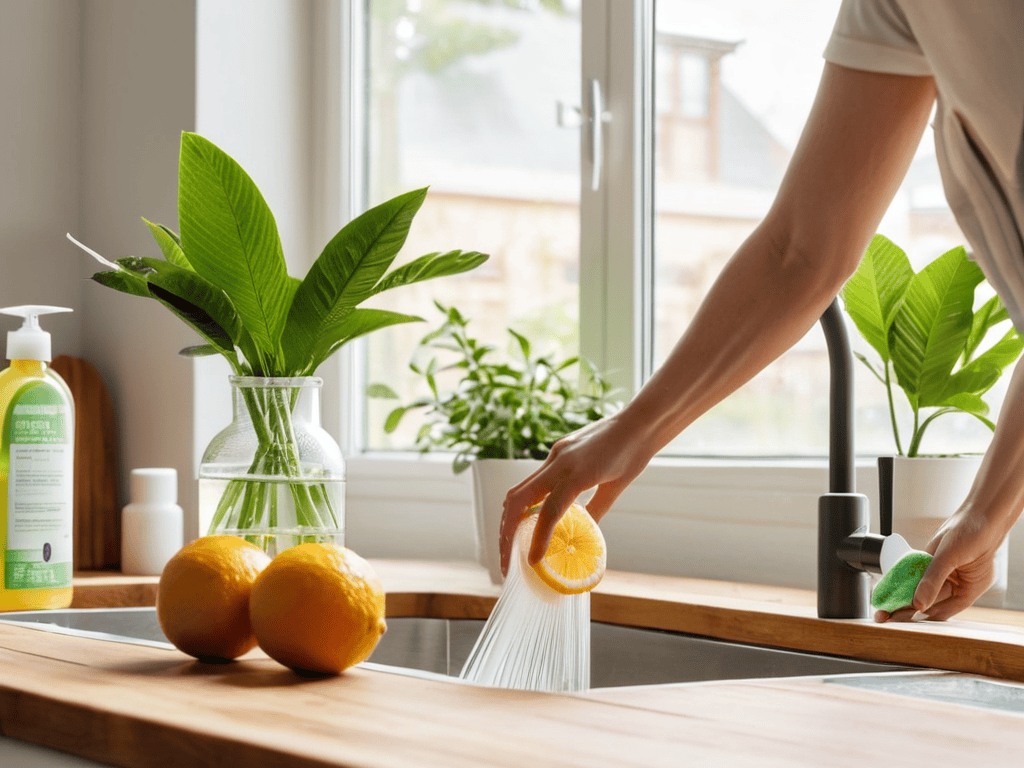
When it comes to creating a healthier living space, it’s essential to consider the non toxic cleaning products you use on a daily basis. These products can significantly impact your indoor air quality, making it vital to choose options that are free from harsh chemicals. By switching to eco-friendly alternatives, you can reduce your exposure to toxic substances and create a safer environment for you and your family.
As you continue on your journey to creating a healthier living space, it’s essential to stay informed and inspired by like-minded individuals who share your passion for low-tox living. For those looking to connect with others who value a more natural approach to life, I recommend exploring online communities, such as forums or social groups, where you can find valuable resources and advice from people who have already made the transition to a more sustainable lifestyle – and maybe even discover some interesting connections, like those found at casual sex melbourne, where people come together to share their experiences and support one another in their pursuit of a more balanced and fulfilling life.
In addition to using non-toxic cleaning products, reducing VOCs in home is another crucial step in improving your indoor air quality. This can be achieved by using natural pest control methods, such as essential oils, and avoiding products that contain volatile organic compounds. By taking these simple steps, you can significantly reduce the amount of toxins in your home and create a healthier living space.
To take your home audit to the next level, consider exploring eco friendly furniture options and sustainable building materials. These alternatives can help reduce your environmental footprint while also creating a healthier indoor environment. By making a few simple changes, you can breathe easier and enjoy a healthier living space that benefits both you and the planet.
Improving Indoor Air Quality Naturally
To breathe easy, we need to tackle the air we breathe. Improving indoor air quality is a game-changer. I’m talking opening windows, using fans, and adding some green friends like peace lilies or spider plants to absorb toxins. These simple moves can make a big difference. Plus, essential oils like lavender and eucalyptus can purify the air and create a calming atmosphere. It’s all about creating a healthy balance.
By incorporating these natural methods, you can significantly reduce pollutants and toxins in your home. Remember, small changes add up, so start with what you can and build from there.
Toxic Free Living With Non Toxic Cleaning
When it comes to non-toxic cleaning, it’s all about simplicity. Ditch the harsh chemicals and opt for natural alternatives like baking soda, vinegar, and lemon juice. These ingredients are not only effective but also gentle on surfaces and the environment. You can make your own cleaning solutions or look for products that are certified non-toxic. Remember, every small change counts, and making the switch to non-toxic cleaning is a great step towards a healthier home.
By incorporating non-toxic cleaning into your routine, you’ll be reducing your exposure to harmful chemicals and creating a safer space for you and your loved ones. It’s a simple yet powerful way to take control of your indoor environment and promote overall well-being.
Low-Tox Living Made Easy: 5 Game-Changing Tips
- Swap toxic chemicals for natural alternatives in your cleaning products
- Conduct regular air quality tests to identify and eliminate pollutants
- Remove shoes before entering your home to prevent outdoor toxins from entering
- Use indoor plants like peace lilies or spider plants to naturally purify the air
- Replace plastic storage containers with glass or stainless steel to reduce chemical leaching
Low-Tox Home Audit: 3 Key Takeaways
Conducting a thorough low-tox home audit can significantly reduce your exposure to toxic substances and improve your overall health and wellbeing
Simple swaps such as switching to non-toxic cleaning products and improving indoor air quality through natural methods can have a major impact on creating a healthier living space
By being mindful of the products and materials you bring into your home and making intentional choices, you can take the first steps towards a low-tox lifestyle and breathe easier in your own space
The Power of a Low-Tox Home
By taking control of the toxins in our homes, we’re not just cleaning our spaces, we’re clearing a path to a healthier, happier us.
Emily Wilson
Conclusion
As we conclude our journey through the low-tox home audit, it’s essential to remember that every small step counts. We’ve covered the basics of identifying toxic substances, non-toxic cleaning methods, and ways to improve indoor air quality. By implementing these changes, you’ll be well on your way to creating a healthier living space. It’s not about making drastic changes overnight, but rather about making conscious choices that add up to make a significant difference in the long run.
So, as you embark on this journey to a toxin-free life, remember that it’s a process, and it’s okay to take it one step at a time. The key is to be consistent and patient, and to celebrate the small victories along the way. By doing so, you’ll not only be improving your own health and wellbeing, but also contributing to a larger movement towards a more sustainable and environmentally conscious lifestyle. The power to create a healthier home is in your hands, and with the right mindset and tools, you can achieve a low-tox lifestyle that nourishes both you and the planet.
Frequently Asked Questions
What are some common household items that I might not realize are toxic?
Let’s get real, some everyday items can be sneaky toxic. Think about it: scented candles, air fresheners, and even your favorite cleaning products can be harboring harsh chemicals. Then there are the obvious ones like pesticides, paint, and plastics. It’s time to take a closer look at what’s lurking in your home.
How often should I perform a low-tox home audit to ensure my living space remains safe?
Honestly, it’s a good idea to do a low-tox home audit seasonally, or whenever you bring new products or furniture into your space. This helps you stay on top of any potential toxins and make adjustments as needed to keep your air and surroundings clean.
Are there any specific low-tox alternatives for furniture and decor that can help reduce chemical exposure?
Ditch the chemical-laden furniture and decor by opting for low-tox alternatives like solid wood, bamboo, or vintage pieces. Choose natural fibers for upholstery and rugs, and consider repurposing or upcycling old items to reduce waste and exposure to harsh chemicals.
