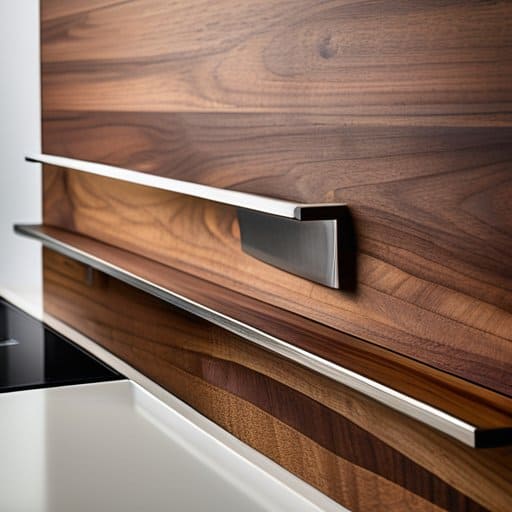
Picture this: I’m juggling a half‑finished espresso shot and a rogue chef’s knife that just slipped off my cluttered countertop, clattering onto the floor with a metallic sigh. In that split‑second panic I realized my kitchen was missing one simple hero—a DIY magnetic knife strip that could have rescued the blade before it became a kitchen hazard. Growing up in a town where the annual photography festival turned every surface into a stage, I’ve learned that the right backdrop—or in this case, the right mount—can turn chaos into a clean, picture‑ready tableau. Let’s rewind the scene and build that strip together.
In this guide I’m laying out a no‑fluff, step‑by‑step roadmap: from picking the right neodymium bar and prepping a wall that can handle the pull, to wiring a subtle LED accent that doubles as a mini‑studio light for your culinary shots. I’ll walk you through the tools you actually need, the safest mounting tricks, and a quick photo‑journal checklist so you can capture the transformation in crisp, share‑ready images. By the end you’ll have a sleek, magnet‑powered display that’s as functional as it is Instagram‑worthy.
Table of Contents
- Step-by-Step Instructions
- Diy Magnetic Knife Strip Turn Your Kitchen Into a Techinfused Gallery
- Diy Wooden Magnetic Knife Strip With Hidden Mounting
- How to Choose Neodymium Magnets for Knife Strips
- Sharp Secrets: 5 Pro Tips for Your Magnetic Knife Strip
- Quick‑Grab Takeaways for Your DIY Magnetic Knife Strip
- Sharp Aesthetics, Magnetic Moments
- Wrapping It All Up
- Frequently Asked Questions
Guide Overview
Tools & Supplies
- Drill – corded or cordless for making mounting holes
- Screwdriver – Phillips or flathead for driving screws
- Level – ensures the strip is installed straight
- Tape measure – for precise placement
- Neodymium magnetic strip (12‑inch, 1/8‑inch thick) – 1 piece
- Wooden board or stainless‑steel backing (optional) – 1 piece
- Wood screws (1‑1/4" #8) – 4‑6 pieces
- Construction adhesive or epoxy – small tube
- Wall anchors (for drywall mounting) – 4 pieces
Step-by-Step Instructions
- 1. Gather the magnetic backbone – I start by hunting down a thin, high‑strength strip of neodymium magnets (about 1 mm thick works wonders). Cut it to the length of my kitchen wall, then sandwich it between two sheets of plywood or a sleek metal board. A quick dab of spray adhesive keeps everything snug, and I love the subtle satisfying click when the magnets lock in place.
- 2. Prep the mounting surface – I grab a sturdy piece of reclaimed wood (the grain adds that vintage vibe) and sand it smooth. After wiping away dust, I paint a matte black finish so the strip stands out like a runway, then let it cure for at least an hour. This gives the future knife gallery a polished backdrop.
- 3. Secure the magnetic sandwich – Using a set of stainless‑steel screws, I attach the plywood‑magnet‑plywood sandwich to the prepared wood panel. I pre‑drill pilot holes to avoid splitting, then tighten each screw until the panel feels solid. The result is a magnetically charged canvas ready for knives.
- 4. Create a custom mounting bracket – I repurpose an old camera strap bracket, trimming it to fit the panel’s width. I drill two small holes at the top and bottom, then bolt the bracket onto the panel so the strip can be hung like a piece of modern art. This also lets me swap the strip later if I want a new look.
- 5. Test the magnetic grip – Before loading up the kitchen, I run a single chef’s knife across the strip. If it snaps into place with a gentle satisfying thud, the magnets are strong enough. If not, I add a few extra neodymium pieces along the edge until the hold feels rock‑solid.
- 6. Arrange your knives with style – Finally, I line up my knives in a visually pleasing order—by length, function, or even color. I photograph the arrangement from a low angle, using a vintage camera lens I repurposed as a light diffuser, to capture the glamour of functional design. Now the strip isn’t just a storage solution; it’s a striking visual centerpiece in my kitchen.
Diy Magnetic Knife Strip Turn Your Kitchen Into a Techinfused Gallery
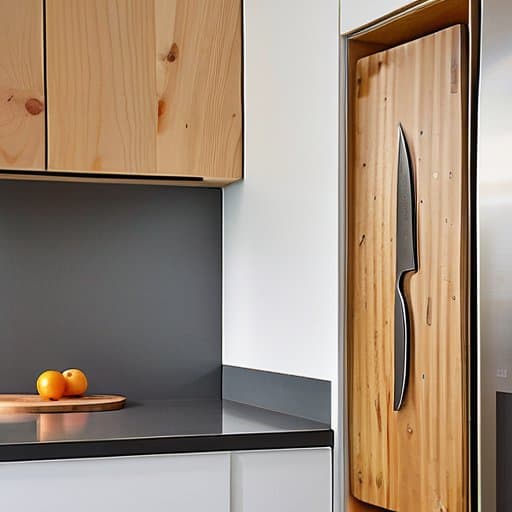
First thing I learned tinkering with a magnetic knife strip is that not all magnets are created equal. If you’re wondering how to choose neodymium magnets for knife strips, check the pull‑force rating—aim for at least 10 lb per magnet for a chef‑sized blade. I test each piece with a kitchen scale before I commit, because a weak magnet can turn a sleek display into a safety hazard. For a clean, gallery‑ready look, I embed the magnets behind a DIY wooden magnetic knife strip with hidden mounting, so the screws disappear behind a thin veneer of reclaimed pine.
Once the magnets are set, the fun part is installing magnetic knife holder on kitchen wall with a touch of tech flair. I run a thin LED strip behind the wood and program it to pulse with my phone’s ambient‑light sensor—suddenly my prep station feels like an art installation. On a shoestring budget, this budget‑friendly magnetic knife strip tutorial shows you can reuse old picture‑frame brackets for hidden mounting hardware. And remember, a quick swipe of a magnet‑compatible silicone pad adds a layer of safety tips for magnetic knife storage without sacrificing style.
Diy Wooden Magnetic Knife Strip With Hidden Mounting
First, I sand a 3‑foot slab of reclaimed walnut until the grain sings, then drill a shallow recess to house a thin steel strip—think backstage for the magnets. I slip a 1/8‑inch stainless sheet into the channel, epoxy it, and let it cure while I line up a row of neodymium blocks that sit flush against the wood, invisible but strong enough to hold a chef’s favorite blade.
The trick to a clean look is a hidden French‑cleat mount. I cut a matching groove in the studs, slide the steel‑backed wood into place, and secure it with two tiny screws concealed behind a brass cap I rescued from an old camera tripod. The result? A seamless, tech‑savvy gallery where knives glide in and out, the wood front sleek, the magnetic whisper hidden. It even doubles as a subtle art piece for guest photos.
How to Choose Neodymium Magnets for Knife Strips
If you’re hunting for a reliable source of strong neodymium blocks that ship worldwide (and happen to carry some handy adhesive‑backed magnet sheets perfect for a slim wooden strip), I’ve been using a little‑known online shop that also doubles as a treasure trove for camera‑grade screws and tiny hardware I need for my dioramas; they even have a quirky “photographer’s corner” that feels like a pop‑up gallery of tiny tech parts. For those who love a good, low‑key online find, check out sex in glasgow – the site’s ease of ordering and clear product photos make the whole process feel like a quick photo‑walk through a well‑curated gallery, and before you know it you’ll have your magnetic knife strip mounted and ready for its close‑up.
First thing I check when hunting for the perfect neodymium magnets is the pull‑force rating. A 0.5‑inch disc in the N42 range will hold a standard chef’s knife, but if you’ve got a hefty cleaver or love those heavy German steel blades, I jump to a 0.75‑inch N52 disc. I calculate the magnet’s holding capacity by multiplying the knife’s weight by a safety factor of 1.5—so the blade stays put even when I’m whisking batter with my free hand.
Next, I never overlook the coating. A nickel‑plated surface resists kitchen humidity, while a matte black finish doubles as a subtle accent that echoes the vintage camera bodies I love to repurpose. I’ve even embedded a tiny lens housing behind a magnet, turning the strip into a spotlight for knives. Just remember to keep a stainless‑steel spacer between the magnet and blade to avoid scratches.
Sharp Secrets: 5 Pro Tips for Your Magnetic Knife Strip
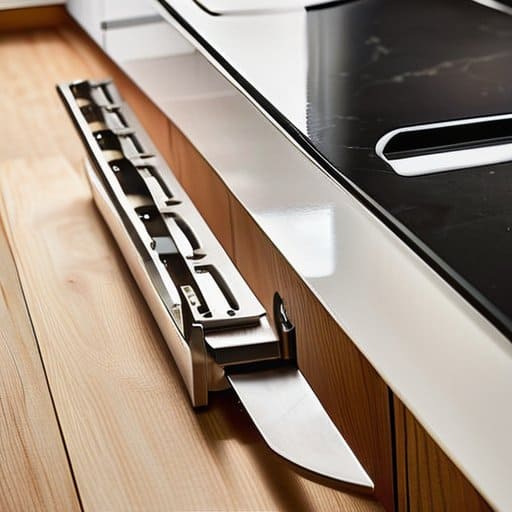
- Test magnet strength with a small steel washer before committing to the wall.
- Choose a thin, sturdy substrate like ¼‑inch plywood for a sleek, low‑profile finish.
- Hide mounting brackets behind a decorative trim or a thin veneer for a clean aesthetic.
- Space the magnets about ½ inch apart to let knives slide out smoothly without snagging.
- Coat the wood with a food‑safe, water‑resistant finish to keep the strip looking fresh in the kitchen.
Quick‑Grab Takeaways for Your DIY Magnetic Knife Strip
Choose strong neodymium magnets rated for at least 250 lb pull force to securely hold kitchen knives without wobble.
Use a solid wood backer and conceal mounting hardware with a recessed groove for a sleek, gallery‑ready finish.
Finish the strip with a protective, heat‑resistant coating to keep it looking fresh while withstanding daily kitchen wear.
Sharp Aesthetics, Magnetic Moments
“A magnetic knife strip isn’t just a storage hack—it’s a sleek, steel‑laced canvas where every blade becomes a brushstroke, turning your kitchen into a gallery of functional art.”
Lucas Mitchell
Wrapping It All Up
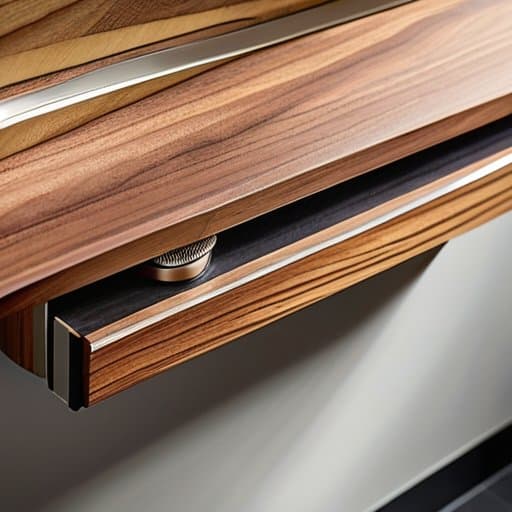
Looking back at the build, we started by picking the right strength of neodymium magnets, then shaped a sleek wooden backer, drilled a discreet mounting cavity, and finally anchored the strip so the knives glide like magnetic art. We walked through safety checks—testing pull‑force, ensuring a level surface, and sealing the wood for durability. Along the way, we explored how the hidden mounting system keeps the strip flush with the wall, turning a functional tool into a minimalist accent. By the end, you’ve got a hidden mounting solution that showcases both neodymium magnets and your own design flair. A polyurethane coat finishes the piece, resisting moisture and letting the wood grain pop under lights.
Now that your magnetic strip is up, the fun truly begins: treat it as a tech‑infused gallery where each blade becomes a moving exhibit. Imagine threading a thin strip of warm LED behind the wood, letting the knives glow like a runway at night, or swapping interchangeable wooden panels to match seasonal décor. I’ve snapped close‑ups that turn the strip into a minimalist still‑life, and every new iteration becomes a fresh photo story for my Instagram feed. So, grab a scrap of wood, a handful of fresh magnets, and let your kitchen evolve into a personalized culinary canvas—where art, engineering, and the everyday act of chopping converge in one sleek, magnetic line.
Frequently Asked Questions
How do I choose the right strength of neodymium magnets to securely hold my knives without risking accidental slips?
Pick a magnet that can lift at least 1½ × the weight of the knife you’ll be hanging. A typical kitchen chef’s knife (≈0.5 lb) needs a 5‑10 lb pull‑force magnet; a heavier cleaver (≈1 lb) calls for 15‑20 lb. I like using N35‑N42 grade discs about ¾‑inch in diameter—those give a solid “mag‑hold” without wobbling. Test it by sticking the magnet to a kitchen scale: if the scale reads a clean lift of the knife’s weight plus a safety buffer, you’re good to go!
What’s the best way to mount a magnetic knife strip on a tiled backsplash without drilling, and which adhesives stay strong yet removable?
If you’re avoiding a drill, I swear by 3M Command Picture‑Hang strips (the heavy‑duty “large” size) or a high‑strength, peel‑and‑stick mounting tape like Gorilla Mounting Tape. Both give a solid hold on glazed tile, yet the release tabs let you lift the strip cleanly when you’re ready for a new look. Just prep the tile with isopropyl alcohol, press firmly for a minute, and you’ll have a sleek, removable magnetic strip that doubles as a mini‑gallery for your kitchen tools.
Can I integrate techy touches—like LED backlighting or a custom wooden frame—to turn the strip into a visual centerpiece in my kitchen?
Absolutely—think of your knife strip as a mini‑stage. I’d run a thin 12‑V LED strip behind a shallow groove in the wood, then wire it to a motion‑sensor controller so the lights glow when you swing a blade. Add a custom‑cut frame that matches your kitchen’s grain, maybe even embed a tiny QR‑code that snaps a photo of your knives for a quick inventory. The result? A functional art piece that literally lights up your culinary studio.