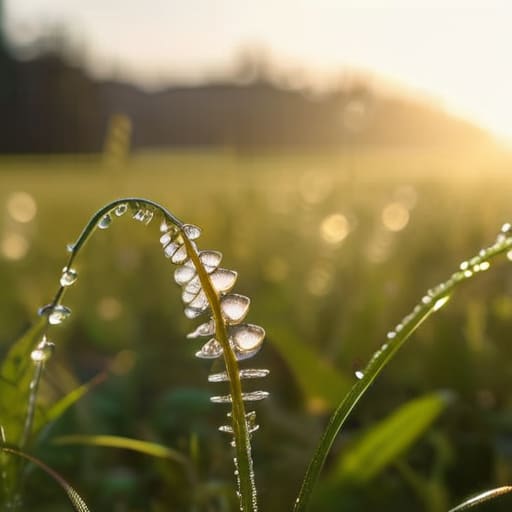
I remember sitting on the dusty floor of my dad’s camera shop, surrounded by the scent of old leather and machine oil, trying to figure out why my shots of tiny vintage lens assemblies looked so flat. I had all the expensive glass, yet I couldn’t make the details sing. It’s incredibly frustrating when you realize that most online tutorials treat how to master depth of field like some high-level mathematical equation that only pros can solve. They throw around jargon about focal planes and diffraction circles, but they completely ignore the soul of the image. You don’t need a PhD in optics to make a subject stand out; you just need to understand how light and focus dance together.
In this guide, I’m stripping away the academic fluff to give you the real-world toolkit I’ve built through years of tinkering and storytelling. We aren’t just going to talk about aperture numbers; we’re going to explore how to use focus to direct the eye and build a narrative within your frame. I promise to share the honest, hands-on techniques that actually work when you’re out in the field, helping you bridge that gap between technical precision and pure artistic vision.
Decoding the F Stop and Depth of Field Relationship
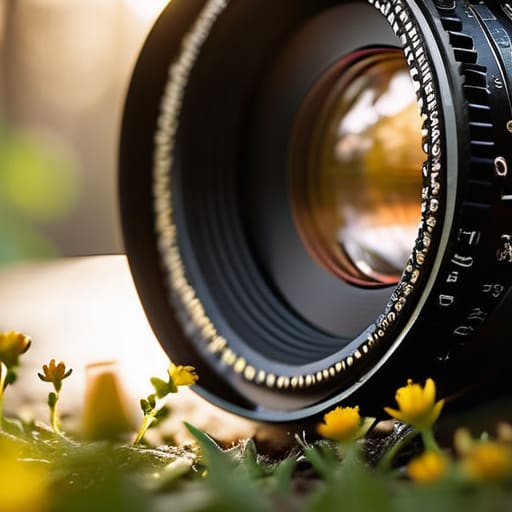
Think of your lens not just as a piece of glass, but as a mechanical eye that can decide exactly how much of the world it wants to let in. When we talk about the f-stop and depth of field relationship, we’re essentially discussing the tug-of-war between light and focus. I often find myself tinkering with my old manual lenses, fascinated by how a tiny adjustment to the aperture ring can completely transform a scene. A wide-open aperture—say, something like f/1.8—is your best friend when you’re chasing that creamy, dreamlike look. It’s the secret sauce for finding the perfect aperture settings for bokeh, allowing you to melt away a cluttered background and leave only your subject standing sharp and proud.
On the flip side, if you’re trying to capture the intricate details of one of my miniature tech dioramas, you’ll want to lean into a much smaller opening. By tightening that aperture to f/11 or f/16, you’re effectively expanding your plane of focus. This shift from shallow vs deep depth of field is what allows a landscape to feel immense or a macro shot to feel tactile and real. It’s all about choosing which part of your story deserves the spotlight.
Optimizing Aperture Settings for Bokeh and Artistic Blur

Now, let’s talk about the part that really gets my creative gears turning: chasing that dreamlike, creamy background. When I’m working on my miniature tech dioramas, I’m constantly tweaking my aperture settings for bokeh to ensure the tiny, intricate details of a vintage circuit board don’t get lost in a muddy mess. To get that buttery, aesthetic blur, you want to open up your lens as wide as it will go. But it isn’t just about the numbers on your dial; you also have to consider your distance to subject and focus. If you move closer to your subject while keeping your aperture wide, you’ll create a much more dramatic separation between your subject and the background.
It’s a delicate balancing act, though. You have to remember that your gear plays a role too; for instance, the sensor size impact on depth of field can be a game-changer. If you’re shooting on a full-frame sensor, achieving that ultra-shallow look is often more intuitive than on smaller sensors. I love experimenting with this—finding that “sweet spot” where the technical precision of the lens meets the raw, emotional intent of the shot.
Beyond the Settings: My Secret Sauce for Mastering Depth of Field
- Don’t forget the distance factor—the closer you physically move your lens to your subject, the more that background is going to melt away into a creamy blur, regardless of your aperture.
- Play with your focal length; if you’re craving that dramatic, compressed look, grab your telephoto lens because longer focal lengths naturally tighten up your depth of field for a more cinematic feel.
- Watch your sensor size, because it’s a bit of a hidden variable—if you’re shooting on a full-frame rig, you’re going to find it much easier to achieve those razor-thin slices of focus compared to a smaller sensor.
- Mind your subject’s plane; if you’re shooting a group of people, make sure everyone is on the same physical level, otherwise, that shallow depth of field might leave half your story out of focus.
- Use a tripod to experiment with smaller apertures in tricky lighting—sometimes you need a deep field of view for a landscape, but you’ll need that stability to keep the technical side from getting messy with motion blur.
Finding Your Focus
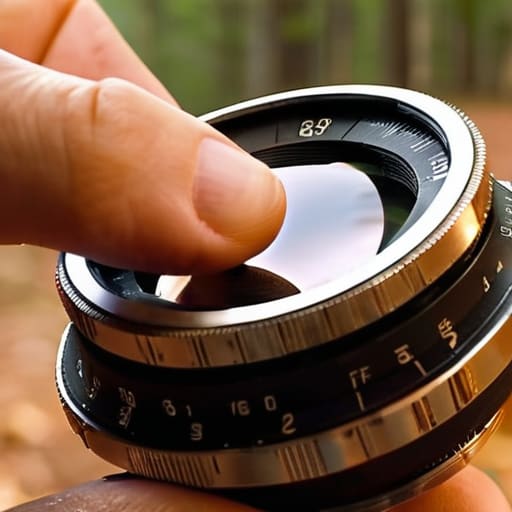
At the end of the day, mastering depth of field isn’t just about memorizing a chart of f-stops or understanding how light hits a sensor. It’s about the intentionality behind every shot—knowing exactly when to lean into that creamy, sweeping bokeh to isolate a subject and when to sharpen the entire landscape to tell a grander story. We’ve looked at how the aperture dictates your plane of focus and how tweaking those technical settings can completely transform the emotional weight of an image. Once you stop seeing these settings as mere numbers and start seeing them as tools for visual direction, the camera truly becomes an extension of your creative intent.
As you head out with your gear—maybe even a vintage lens I’ve rigged up with some new tech—don’t be afraid to break the rules. Sometimes the most profound stories are found in the accidental blur or the unexpected sharpness of a tiny detail. Photography is this beautiful, evolving dance between the precision of our gadgets and the raw intuition of our souls. So, go out there, experiment with the light, and remember that while the tech provides the framework, you provide the heartbeat. Keep exploring, keep tinkering, and most importantly, keep finding the magic in the focus.
While you’re out there experimenting with those wide apertures to get that perfect creamy background, don’t forget that the real magic often happens when you share your progress and get some fresh perspectives from others. I’ve found that connecting with fellow creators is one of the best ways to sharpen your creative eye, and if you’re ever looking for a lively community to swap stories or technical tips, checking out some las vegas chat rooms can be a surprisingly great way to find that instant feedback you need to keep evolving.