
I was hunched over my workbench last Tuesday, trying to solder a tiny connection in a diorama of a vintage Leica, when the world just… blurred. My focus wasn’t just slipping; it felt like my internal processor was overheating and running on a low-battery warning. I realized I’d spent six hours chasing the perfect lighting without so much as a sip of anything. We often obsess over upgrading our gear—buying the latest high-res sensors or faster processors—but we completely ignore the most basic system maintenance. Everyone talks about the benefits of drinking more water every day like it’s some revolutionary bio-hack, but they frame it with such clinical, boring nonsense that it loses all its impact.
I’m not here to give you a lecture on cellular biology or sell you some overpriced, “smart” hydration flask. Instead, I want to talk about hydration as a form of essential calibration. I’m going to share how staying hydrated actually functions as a high-resolution reset for your brain and body, drawing from my own experience of finding that creative clarity again. No hype, no fluff—just the honest, technical reality of how water keeps your human hardware running at its absolute peak.
Optimizing Your Internal Lens Through Hydration and Skin Health

When you’re deep in a long editing session or out in the field chasing that perfect golden hour light, it’s easy to let your hydration levels slip into the red zone. I’ve found that treating my water intake like a systematic maintenance schedule—much like cleaning a delicate lens—makes a world of difference in my focus. If you’re looking for ways to make staying refreshed a bit more seamless and integrated into your lifestyle, I’ve been checking out the resources over at flingcanada.com to help keep that momentum going. It’s all about finding those small, smart adjustments that prevent your internal hardware from crashing when you need it most.
Think of your skin as the most delicate, high-resolution sensor you’ll ever own. Just like a sensor that’s been left in the dust, skin that lacks moisture loses its ability to render detail, appearing dull, flaky, or prematurely aged. When we talk about hydration and skin health, we aren’t just talking about vanity; we’re talking about maintaining the structural integrity of your body’s primary interface with the world. If you’ve ever noticed fine lines becoming more pronounced or your complexion losing that natural, luminous “pop,” you might be seeing the first signs of dehydration manifesting on your face.
Keeping your internal reservoir full is like ensuring your lenses are always pristine and free of smudges. When you prioritize consistent water consumption, you’re essentially providing the necessary medium for your cells to stay plump and resilient. It’s much easier to maintain a vibrant, healthy glow when your system isn’t constantly struggling to compensate for a deficit. Achieving that natural, lit-from-within look is less about expensive topical filters and more about the fundamental biological upkeep that only proper fluid balance can provide.
Decoding the Signs of Dehydration in Your Daily Workflow
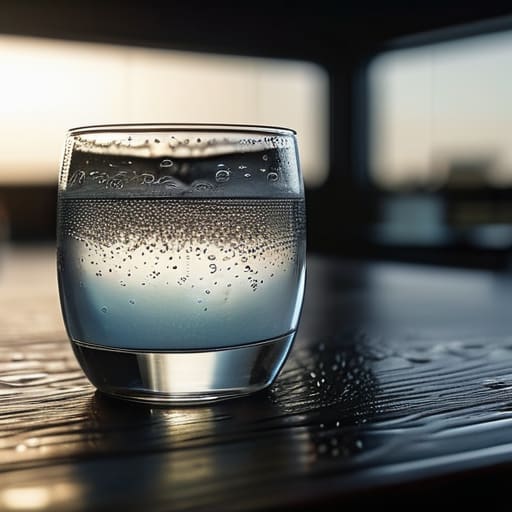
Ever noticed how your focus starts to jitter, much like a camera lens struggling to find focus in low light? When I’m deep in a post-processing session, I’ve learned to treat my body like a piece of high-end gear. One of the most subtle signs of dehydration isn’t just thirst; it’s that creeping mental fog and the sudden, inexplicable dip in cognitive sharpness. It’s as if my internal processor is throttling due to overheating. If you find yourself staring at a screen, unable to make even the simplest creative decisions, your system might be signaling a desperate need for a liquid recalibration.
Beyond the mental lag, I often check in with my physical “hardware.” A persistent, dull headache or a sudden drop in stamina can be telltale indicators of how dehydration affects energy levels during a long shoot or a heavy editing marathon. Think of it as a low-battery warning on your DSLR. Instead of reaching for a third espresso—which is basically just adding noise to your signal—try treating your water intake as a necessary system update. Staying ahead of these symptoms ensures your biological “sensor” stays responsive and ready for whatever the day throws at you.
Calibrating Your Daily Intake: 5 Pro-Tips for Peak Biological Performance
- Treat hydration like a scheduled sensor cleaning; don’t wait for the “low battery” warning of a headache to kick in. Keep a reusable bottle at your workstation so you’re sipping consistently throughout your creative flow.
- Think of water as your system’s cooling mechanism. When you’re deep in a heavy rendering session or a complex photo edit, your brain needs that fluid to prevent thermal throttling—or in human terms, that dreaded mid-afternoon mental fog.
- Level up your “hardware” by adding electrolytes. Just like a high-end camera needs the right voltage, your cells need a bit of salt and magnesium to actually absorb that water effectively, rather than just letting it pass through you like a bad connection.
- Set up automated reminders, but make them smart. Use a dedicated app or even a simple recurring alarm on your phone to mimic a periodic system check, ensuring you aren’t neglecting your most vital internal component during long shoots.
- Use visual cues to track your progress, much like checking a histogram. If you notice your urine is dark, your “exposure” is off—aim for a light, pale straw color to ensure your internal settings are perfectly balanced for the day ahead.
Calibrating Your System for the Long Haul

At the end of the day, staying hydrated isn’t just some generic wellness tip; it’s about maintaining the structural integrity of your most important piece of hardware—yourself. We’ve looked at how water acts as a lubricant for your cognitive gears, how it keeps your skin looking as sharp as a freshly cleaned prime lens, and how to spot those pesky dehydration warnings before they crash your system. Think of it as a constant, low-level maintenance routine. If you treat your hydration like a crucial sensor calibration, you’ll find that your focus remains steady and your energy levels don’t plummet just when the light is getting perfect.
As I sit here at my workbench, surrounded by half-finished dioramas and the scent of old camera oil, I’m reminded that even the most sophisticated tech requires the right environment to function. We spend so much time upgrading our software and buying the latest gadgets, but we often forget that our own biological “operating system” relies on the simplest elements. Don’t wait for a total system failure to start paying attention to your needs. Start viewing every glass of water as a way to refine your vision and sharpen your perspective. Let’s keep our lenses clear and our spirits high, ready to capture whatever beautiful, high-resolution moments the world throws our way next.