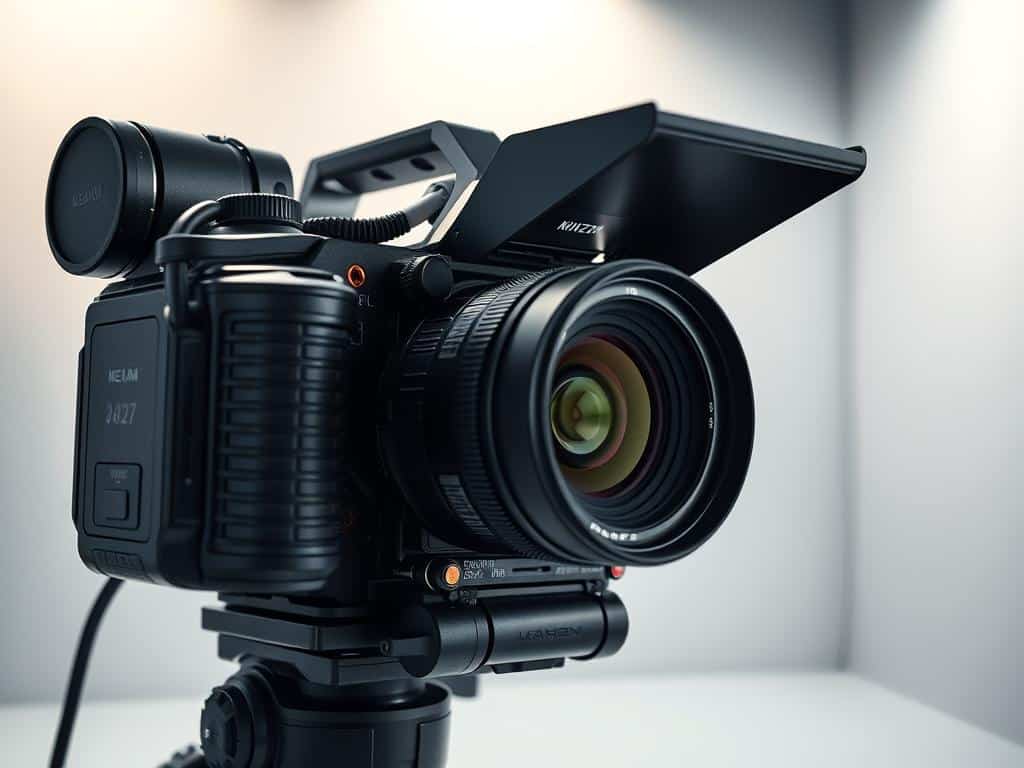
Did you know some cameras can shoot in slow motion at 10,860 frames per second? The Phantom VEO 1310 is one such camera, perfect for high-end productions and costs $150,000. The need for slow-motion cameras that capture every detail has grown a lot. This is true for both beginners and experts.
Exploring slow-motion videography, I found it lets filmmakers show life’s quick moments in great detail. High frame rates are key to the stunning effects we see in movies and sports. They make the visuals more engaging.
Whether it’s a hummingbird’s wings or an athlete’s jump, the right camera makes these moments stand out. Thanks to new tech, telling stories through visuals is easier than ever.
Key Takeaways
- High frame rate capabilities allow for dramatic slow-motion effects.
- Understanding camera specs is key for quality videography.
- Slow-motion videography is getting more popular in many formats.
- New technology opens up creative ways to capture moments.
- Choosing the right camera can improve your filmmaking.
Introduction to Slow-Motion Cameras
Slow-motion cameras have changed how we make and watch videos. They let us see details we usually miss. Knowing how they work is key for better filmmaking.
Understanding Slow Motion Videography
Slow-motion videography captures scenes at a high frame rate. This creates amazing visual effects when played back. It shows small movements clearly, like a bird’s wings or an athlete’s face.
This technique makes stories more engaging. It helps viewers feel more connected to the action.
Importance of High Frame Rate
A high frame rate is vital for good slow-motion videos. Regular cameras shoot at 24 to 30 FPS. But, slow-motion cameras can go up to 1000 FPS.
For example, 120 FPS played back at 24 FPS makes motion appear five times slower. This lets us see details we’d miss normally. Filmmakers can highlight key moments in a way regular frames can’t.
Applications of Slow Motion in Filmmaking
Slow motion is used in many ways, not just for drama. It’s great for action scenes, sports, and nature documentaries. It gives a new view of the world.
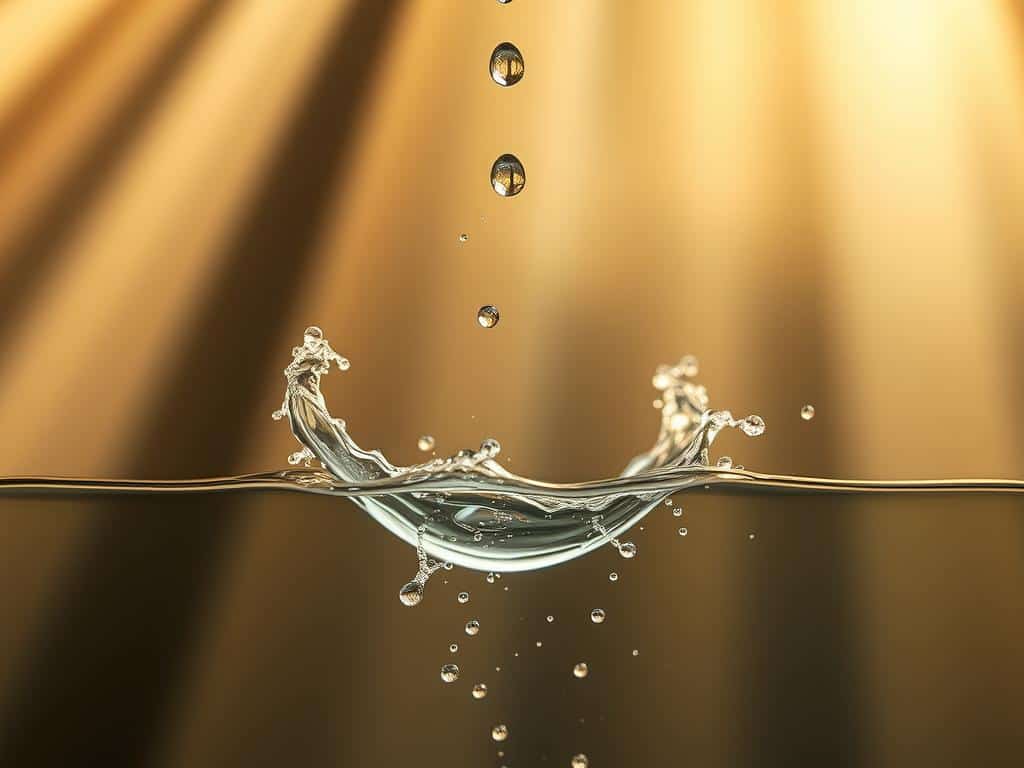
For example, it can make a sprinter’s start or a raindrop hitting look incredible. In ads, it grabs attention with stunning visuals. Slow-motion adds emotion and beauty to any film.
Top Slow-Motion Cameras for Capturing Details
Choosing the right camera is key for high-detail videography. The best slow-motion cameras let filmmakers capture small details and stunning moments. Here, I’ll look at some top choices.
Panasonic GH5: The King of Slow-Mo
The Panasonic GH5 is a top pick for slow-motion. It can shoot up to 180fps in Full HD, with amazing image quality. It’s great for all kinds of lighting, thanks to its dynamic range and low-light skills.
Canon 1D X Mark II: Robust Performance
The Canon 1D X Mark II offers strong performance and pro features. It can record at 120fps in Full HD, perfect for action scenes. Its toughness and weather sealing are great for outdoor and fast-paced shoots.
Sony A99 II: High Detail and Low Aliasing
The Sony A99 II is great for cinematic excellence. It can film at 120fps in Full HD and 60fps in 4K, with clear details. Its advanced tech also cuts down on aliasing, making footage look smooth and professional.
GoPro HERO10: Compact Power for Adventurers
The GoPro HERO10 is small but mighty. It records at 240fps in Full HD, perfect for action shots. Its tough design and versatility make it a hit with thrill-seekers who want great video on the go.
Blackmagic Ursa Mini Pro G2: Cinematic Excellence
The Blackmagic Ursa Mini Pro G2 is top-notch for pros. It records 4K at 60fps and has great slow-motion features. It’s designed for big cinematic projects, helping filmmakers create stunning, detailed footage.
Conclusion
Slow-motion cameras are key for anyone wanting to improve their video skills. They let us capture details that are hard to see in regular videos. This is true whether I’m filming action sports, telling a story, or studying science.
These cameras can shoot at over 240 frames per second. Then, we can play back at slower speeds to show amazing slow-motion scenes. This is great for sports analysis or scientific studies. It shows how versatile these cameras are.
As tech gets better, so do slow-motion cameras. They now offer even more creative options. With these tools, I can capture and share moments in a way that moves people. Slow-motion is a powerful way to tell stories and connect with viewers.
