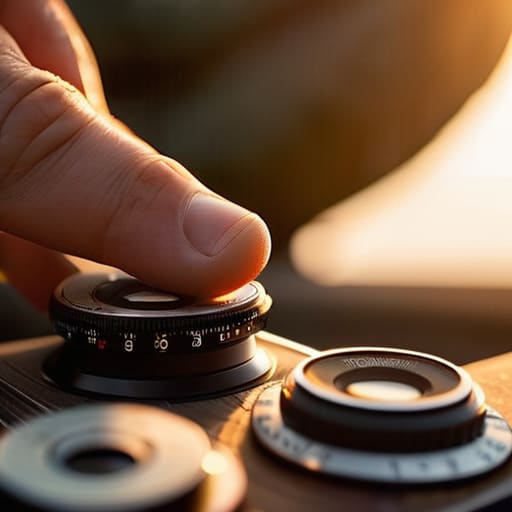
I still remember the smell of aged leather and machine oil in my dad’s camera shop, sitting on a stool while he patiently showed me how to strip down a vintage Leica. Back then, I thought the “pro” secret was owning a thousand-dollar lens or a body that cost more than my first car, but that’s a total myth. The real magic isn’t in the gear; it’s in the connection between your eye and the sensor. If you’ve been feeling stuck in Auto mode, paralyzed by the fear of making a mistake, I want you to know that learning how to use manual mode for beginners isn’t about memorizing a math equation—it’s about taking back the reins from a computer that doesn’t actually know what you’re trying to feel.
I’m not here to throw a textbook at you or drown you in technical jargon that makes your head spin. Instead, I’m going to pull back the curtain and show you how to treat your camera settings like a creative toolkit rather than a barrier. We’re going to break down the exposure triangle through the lens of real-world storytelling, focusing on how you can use these technical controls to actually express your unique vision. No hype, no fluff—just the straight-up, hands-on tactics I’ve used to bridge the gap between tech and art.
The Exposure Triangle Explained Merging Art and Logic
Once you’ve started getting a feel for how those settings interact, you’ll likely find yourself wanting to swap ideas with others who are navigating this same learning curve. I’ve always found that the best way to sharpen your eye is to see how different people interpret the same light, so I often head over to social chat Australia to see what the community is currently obsessed with. It’s a fantastic way to stay inspired and realize that even the most seasoned pros are constantly experimenting with their gear, just like we are.
To really get a grip on manual mode, you have to stop seeing your camera as a black box and start seeing it as a finely tuned instrument. Think of the exposure triangle explained as the fundamental blueprint of light itself. It’s a delicate dance between three core pillars: aperture, shutter speed, and ISO. If you change one, the others have to react to keep the balance. It’s a bit like when I’m building one of my miniature tech dioramas; if I change the scale of a tiny LED, I have to adjust the entire lighting setup to make sure the shadows still look authentic and intentional.
When you dive into the aperture shutter speed iso relationship, you’re essentially learning how to negotiate with physics. Aperture controls how much light enters through the lens and, more importantly, how you’re controlling depth of field to pull focus toward your subject. Shutter speed dictates the movement, and ISO manages the sensor’s sensitivity. Mastering this interplay is where the magic happens—it’s where you move past mere documentation and begin crafting true visual narratives.
Mastering Manual Camera Settings for Beginners With Precision
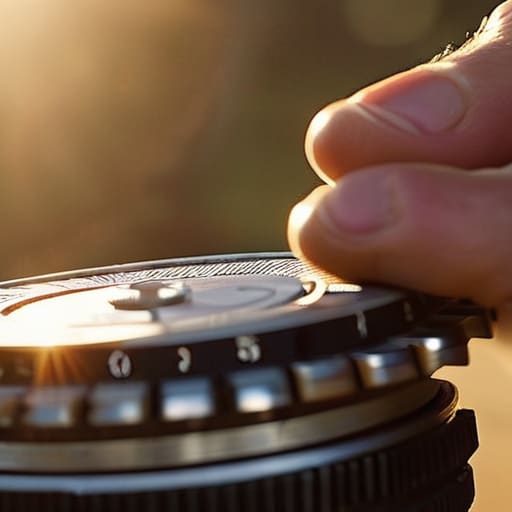
Once you’ve wrapped your head around the theory, it’s time to actually get your hands dirty with the dials. Think of this as moving from reading a blueprint to actually building your own diorama; it requires a bit of trial and error to get the proportions just right. When you’re working through manual camera settings for beginners, the secret isn’t just about hitting a specific number, but about how those numbers dance together. I often find myself staring at the viewfinder, treating the settings like pieces of a complex mechanical watch—every adjustment to the shutter speed or aperture ripples through the entire composition.
A huge part of this dance is understanding your light meter, that little scale in your viewfinder that acts as your compass. It’s not a magic wand that guarantees a perfect shot, but rather a guide to help you navigate the relationship between light and sensor. If the needle is leaning too far left or right, don’t panic; just treat it as a prompt to tweak your aperture shutter speed iso relationship. It’s all about finding that sweet spot where the technical precision of your gear finally yields to your artistic intent.
Getting Hands-On: 5 Ways to Find Your Rhythm in Manual Mode
- Start with the Aperture and let the light dictate the mood; think of it as choosing the depth of your story’s focus rather than just a technical setting.
- Don’t fear the Shutter Speed—treat it like the tempo of a song, where a fast beat freezes a moment in time and a slow melody lets the motion blur beautifully into your frame.
- Use your Light Meter as a digital compass; it’s not there to tell you what to do, but to show you where you are on the map so you can decide which direction to take the shot.
- Embrace the “Trial and Error” loop by shooting in bursts; I love seeing how a tiny tweak to the ISO can completely shift the texture of a digital image from crisp to cinematic.
- Stop chasing perfection and start chasing intention; the goal isn’t to get a technically “perfect” exposure every time, but to use those manual controls to capture exactly how the scene felt to you.
Stepping Out of Auto and Into the Light
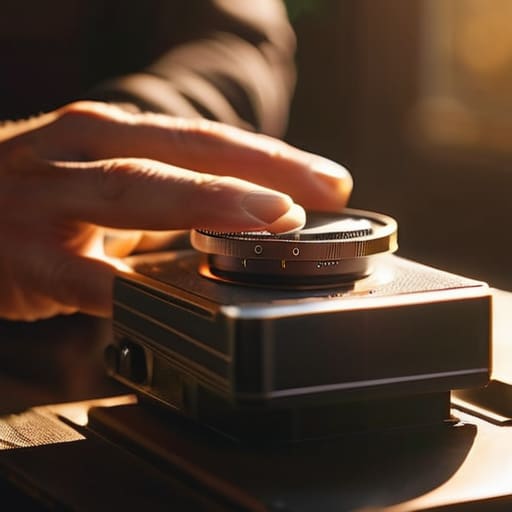
Taking that first leap from Auto to Manual can feel like you’re trying to rewire a vintage Leica with nothing but a toothpick, but remember that you’ve now laid the groundwork. We’ve broken down the logic of the exposure triangle and how to juggle aperture, shutter speed, and ISO to find that perfect equilibrium. It isn’t just about avoiding blown-out highlights or muddy shadows; it’s about understanding the mechanical soul of your camera. By mastering these settings, you are no longer just a passive observer clicking a button—you are actively engineering the light to match the vision inside your head.
As you head out to practice, don’t get discouraged if your first few shots look a little wonky or technically imperfect. I spent years tinkering with old film canisters and camera lenses in my dad’s shop, learning that the most beautiful breakthroughs often come from the most frustrating mistakes. Think of manual mode as your new creative playground, a space where the tech finally bows to your artistic intent. The gear is just a tool, but your curiosity is the real engine. So, go out there, embrace the trial and error, and start telling your own unique story through the lens.