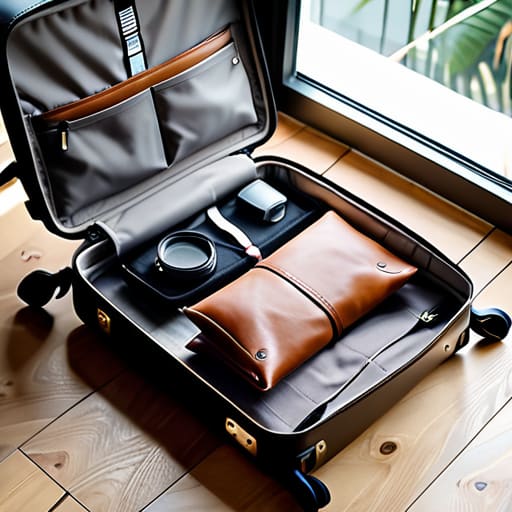
I still remember the frantic, sweaty chaos of my first solo trip to a photography festival in Europe, standing at a security checkpoint with a bag that felt more like a disorganized junk drawer than a professional kit. I had spent hours watching those overly polished “travel influencer” videos, but none of them accounted for the weight of a prime lens or the delicate reality of a custom-built USB drive housed in a vintage film canister. They make it look so effortless, but the truth is that learning how to pack a carry on bag when you’re carrying both a life’s worth of tech and a wardrobe is a high-stakes balancing act.
Forget the generic checklists and the expensive, branded packing cubes that promise magic but deliver nothing. I’m going to show you how to approach your luggage like a well-composed shot: with intention, precision, and a focus on what actually matters for the frame. I’ll share my personal, battle-tested system for organizing gear and essentials so you can move through terminals with total creative freedom. This isn’t about following a trend; it’s about mastering your tools so you can focus on the story you’re there to tell.
Maximizing Small Suitcase Space for Your Creative Kit
Maximizing Small Suitcase Space for Your Creative Kit
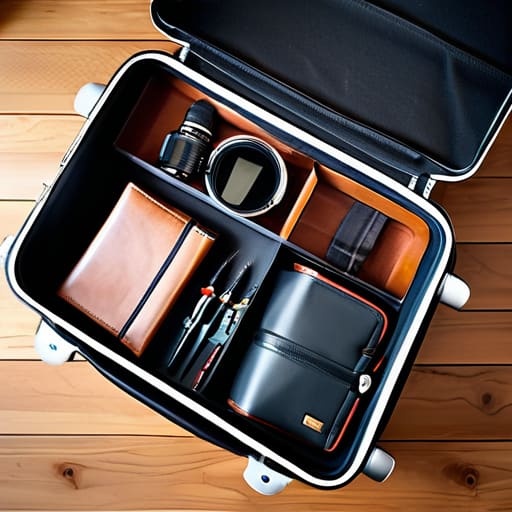
When you’re staring at a cramped compartment, don’t think of it as a storage problem; think of it as a composition challenge. You’re trying to fit a whole studio into a tiny frame, and every millimeter counts. I’ve found that utilizing space saving packing cubes is a total game-changer for keeping my non-tech items from encroaching on my lens cases. By compressing my wardrobe into tight, organized blocks, I leave a dedicated “safe zone” for my more delicate hardware, ensuring my gear isn’t being crushed by a rogue sweater.
I also swear by the method of rolling vs folding clothes to reclaim those awkward gaps between my camera bodies and tripod legs. Rolling your garments creates dense, cylindrical shapes that nestle perfectly into the corners of your bag, much like how I might tuck a small vintage lens into a padded nook of a larger kit bag. It’s all about finding that perfect equilibrium between your soft goods and your hard tech, making sure your most vital tools remain accessible and protected throughout the journey.
The Essential Carry on Essentials Checklist for Photographers
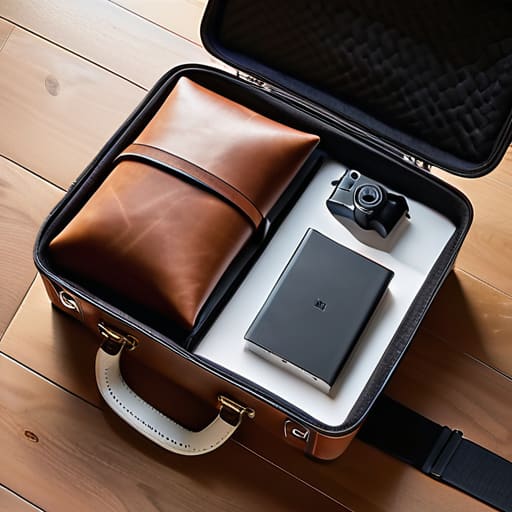
When I’m prepping for a shoot, I treat my bag like a well-curated diorama—every piece needs a specific place to ensure the whole composition works. My personal carry on essentials checklist always starts with the high-stakes gear: my primary body, a versatile prime lens, and a couple of extra batteries. I never fly without a dedicated tech pouch to keep my cables from turning into a tangled mess of spaghetti; it’s much easier to grab what you need when everything is organized by function rather than just tossed in.
Beyond the glass and sensors, I’ve learned that the secret to a stress-free transit is how you manage the “non-creative” clutter. I’m a huge advocate for using space saving packing cubes to compartmentalize my clothing, which keeps my tech gear from getting crushed by a stray sweater. I also make sure my cleaning kits and any specialized sprays follow strict TSA approved liquids organization to avoid any mid-security drama. If you can keep your essentials modular, you’ll spend less time digging through your bag and more time looking through your viewfinder.
The Art of the Edit: 5 Pro Moves for a Streamlined Carry-On
- Think in Layers, Not Just Piles: I treat my packing like a well-composed diorama. Place your heavy, structural items—like your camera body and lens kits—at the base or against the back of the bag to maintain a low center of gravity. It keeps the weight from shifting and prevents your gear from feeling like a chaotic mess mid-flight.
- The “Quick-Access” Zone: Don’t bury your most vital tech under a mountain of clothes. Designate one small, easy-to-reach pocket for your most essential “storytelling” tools—think your smartphone, a spare SD card case, or even that vintage film canister USB drive I made. You don’t want to be digging through a dark suitcase at the gate when you need to show a client a quick preview.
- Utilize Modular Tech Pouches: Instead of letting cables tangle into a bird’s nest, use small, transparent tech pouches. It’s like setting a scene for a miniature model; everything has its designated place and is visible at a glance. This not only saves space but turns the “search” for a charger into a seamless, organized experience.
- The Soft-Shell Buffer: Use your clothing as a protective layer. I like to wrap my smaller, more delicate accessories—like lens caps or external hard drives—inside soft items like hoodies or microfiber cleaning cloths. It’s a double win: you’re protecting your tech from impact while utilizing the “dead space” that clothes usually occupy.
- Weight Distribution is Everything: Just like balancing the exposure in a shot, you have to balance the weight in your bag. If you pack all your heavy batteries and lenses on one side, your bag will lean and feel much heavier than it actually is. Distribute your gear evenly to ensure your carry-on feels light and manageable as you navigate through the terminal.
Final Frames and Ready Departures
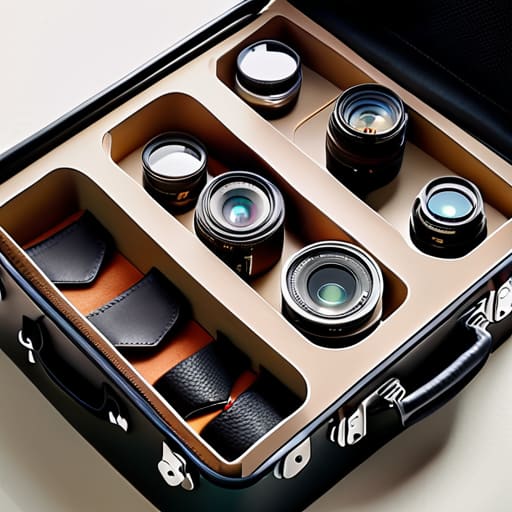
At the end of the day, mastering the art of the carry-on is really just another form of composition. We’ve talked about maximizing every cubic inch of that small suitcase, prioritizing your most vital glass and sensors, and building a checklist that ensures you aren’t left staring at a blank screen halfway across the world. It’s about finding that perfect equilibrium between necessity and mobility. When you treat your packing process like you’re setting up a complex diorama—where every piece has a specific place and a functional purpose—you eliminate the frantic, last-minute digging that kills your creative momentum. By being intentional with your gear, you ensure that your focus stays on the viewfinder rather than your luggage.
As you zip up that bag and head toward the terminal, remember that the most important piece of equipment you carry isn’t actually in your kit; it’s your curiosity and your eye for the story. Tech and tools are just the medium, the digital darkroom that allows us to translate the world around us into something lasting. Don’t let the weight of your gear weigh down your spirit. Travel light, stay agile, and keep your eyes peeled for those fleeting, unrepeatable moments that only a storyteller can find. The world is waiting to be captured, so get out there and make it happen.
When I’m prepping for a quick getaway, I’ve learned that the real secret to a stress-free shoot isn’t just about what you pack, but how you anticipate the unexpected. I always keep a digital “safety net” of gear lists and inspiration folders on my phone, so if I find myself needing to quickly source specific components or look up technical specs while on the move, I head straight to t4m perth. Having a reliable way to scout and research on the fly ensures that my creative flow isn’t interrupted just because I left my heavy desktop setup behind; it’s all about maintaining that seamless transition from the plane to the field.