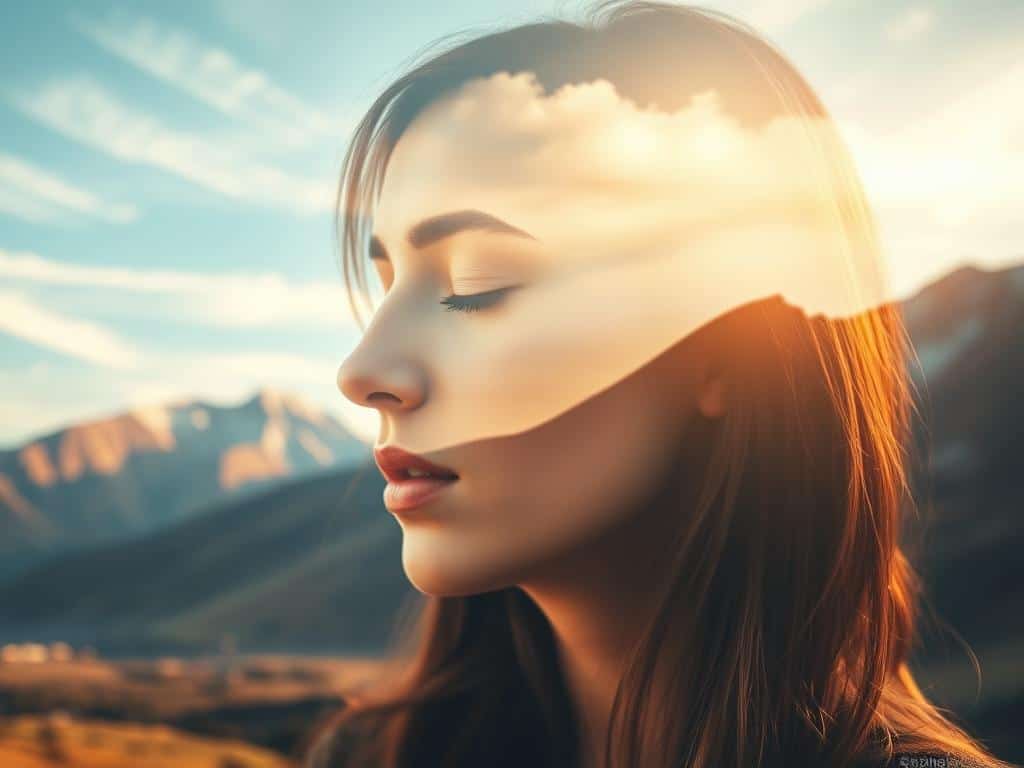
Did you know double exposure started in the 19th century? It’s a special effect in photography that has grown a lot. I started learning about it in 2012, using tools like Photoshop. Most cameras have special modes for this, but Photoshop offers more freedom.
Double exposure lets us mix two images to create something new. It’s like telling a story with pictures. By choosing the right images, we can make something that really speaks to people.
Are you ready to learn about double exposure photography? I’ll show you how to do it and share tips for improving your skills.
Key Takeaways
- Double exposure photography merges two distinct images to create unique visuals.
- Using software like Adobe Photoshop enables greater creative freedom than in-camera settings.
- Experimentation with different layering and blending techniques can yield varied results.
- Choosing images that connect visually can enhance storytelling within the composition.
- Common themes for overlays include landscapes, portraits, and abstract elements.
- The process often involves trial and error, stressing the importance of creativity and patience.
Understanding Double Exposure Photography
Double exposure photography is a mix of art and technique. It layers two exposures to create a unique, ghost-like effect. This method works with both digital and film cameras, making it fun for many photographers.
Through trying it out, I’ve seen how it boosts creativity and storytelling. It lets you tell a story in just one photo.
What is Double Exposure?
The double exposure technique combines multiple images into one. This creates a complex picture where different parts interact in interesting ways. In the old days, photographers would expose the same film twice to achieve this.
Nowadays, many digital cameras can do this easily. It’s amazing how modern tech makes it simple to create stunning, layered images. These images tell stories without needing words.
Historical Context
The history of double exposure photography is fascinating. It became popular in the late 19th century. Georges Méliès used it in his 1898 film “Four Heads are Better Than One.”
This early use set the stage for double exposure’s growth. It was later seen in films like the original Star Wars trilogy. These films used it to blend different elements into one image.
Today, films like “Blade Runner 2049” have taken it even further. Directors use it to capture intimate moments without usual visual effects.
Techniques for Creating Double Exposure Photography
Creating stunning double exposure photography is a fun process. It combines in-camera techniques and post-processing strategies. By mastering both, I can make images that blend two photos seamlessly. Here, I’ll dive into in-camera methods and post-editing techniques for amazing results.
In-Camera Double Exposure Techniques
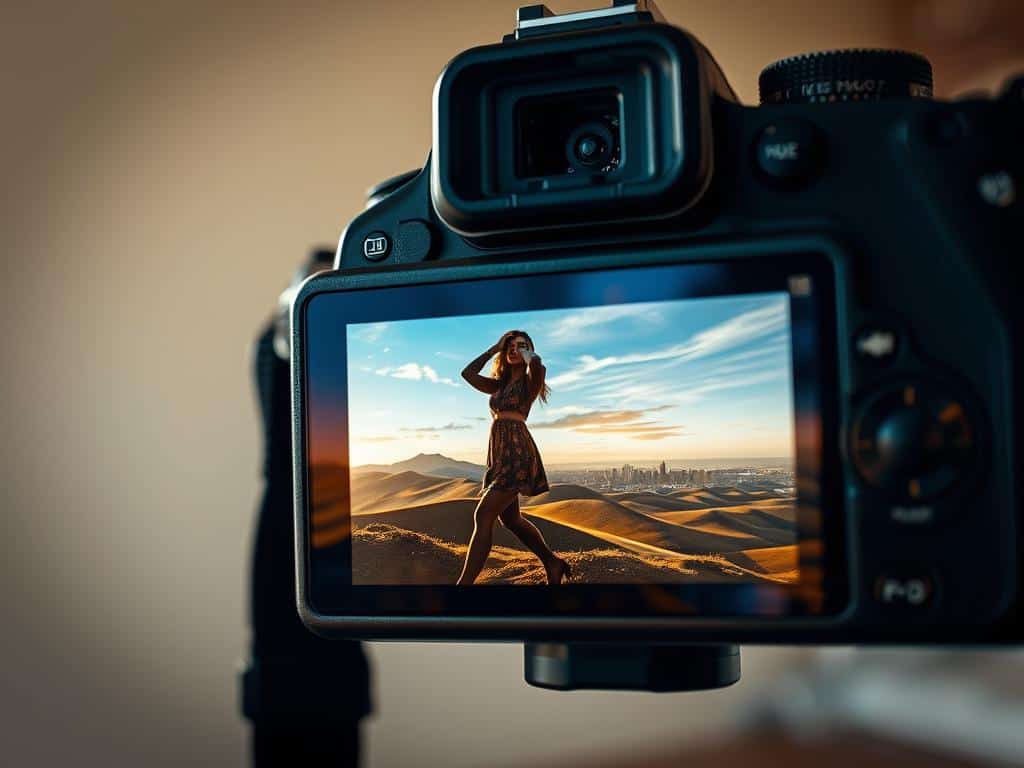
Many digital cameras, like the Canon 5D Mark III, have built-in double exposure modes. To use it, I just go to the settings and pick the multiple exposure option. Then, I choose two images and adjust the exposure settings carefully.
For example, if I want a double exposure with a shutter speed of 1/125, I set it to 1/250. This underexposes each shot by one stop. This way, the combined images look great.
Choosing the right aperture is also key. If I shoot at f8 for the first image, I adjust to f11 for the second. This keeps the lighting balanced and preserves details in the darker areas.
Post-Processing with Software
While in-camera techniques are great, I often use photo editing software to perfect my double exposures. Programs like Photoshop give me more control over the images. I layer the second image over the first and adjust the opacity to blend them just right.
In photo editing, I can really let my creativity shine. I try different blending modes to find the most striking effects. Adjusting contrast and saturation helps me create unique and eye-catching images.
Tips for Stunning Double Exposure Photography
Creating stunning double exposure photography needs careful thought. It’s about choosing the right images and trying new things. This mix can stir strong feelings and tell interesting stories. Let’s explore how to pick the best images and try different techniques.
Choosing the Right Images
Starting with the right images is key. Look for images with contrasting elements for a strong visual effect. Subjects with bold features and backgrounds full of details create a lively mix. Themes can tie everything together, making your photos tell a story.
Adding textures to your main subjects adds depth and mystery. Good composition helps images blend smoothly. Planning how images will work together is essential for success.
Experimenting with Techniques
Trying new things is vital in mastering double exposure. Use different blending modes like “Additive” or “Darken” to get unique results. Modern cameras let you see how images blend in real-time, which is exciting.
Changing exposure settings can also change the look of your photos. Dark silhouettes against bright backgrounds can grab your attention. It’s all about finding what works best for you.
Conclusion
Double exposure photography is all about exploring creativity. It’s not just about combining images; it’s a way to break free from the usual. Every photo is a chance to mix different things and create something special.
This technique shows how a photographer sees the world, not just what’s real. It’s about embracing the unknown and trying new things. It’s not just about getting the shot right; it’s about showing who you are through your photos.
Double exposure photography is for anyone who wants to explore their creativity. It’s about mixing different images and finding your own style. I encourage you to grab your camera and start exploring. You might discover new sides of your creativity.
