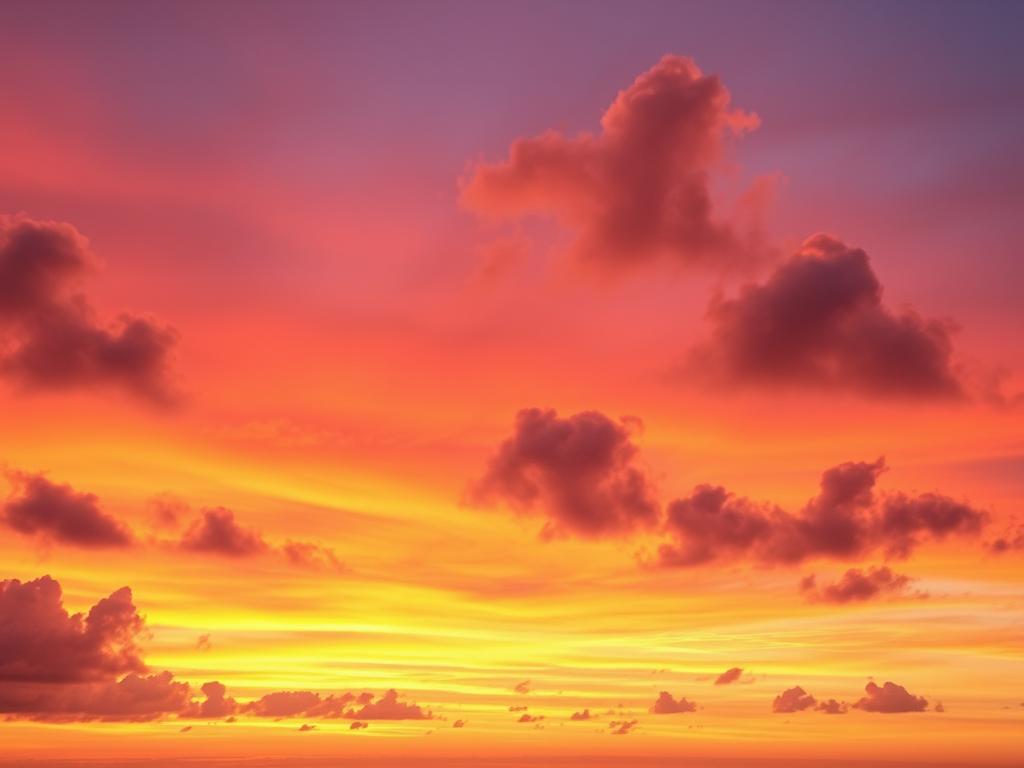
Did you know nearly 90% of photographers find it hard to capture sunset colors? This shows how complex and beautiful sunset photography is. As the sun sets, it paints the sky with amazing moody tones, stirring deep feelings.
Learning about color grading and the art of these moments can change how we show them. By using painting and photography techniques, we can show sunset gradients in new ways. Choosing the right colors and layering them correctly is key to capturing this magic.
Key Takeaways
- Understanding color temperature is key for glowing sunset effects.
- Horizontal brush strokes mimic the sky’s natural flow.
- Avoiding too many color mixes prevents muddy tones in gradients.
- Using deeper tones near the horizon boosts the look.
- Layering colors and letting base layers dry keeps colors bright.
- Silhouettes add grounding elements to strengthen visual impact.
The Science Behind Sky Gradients
The colors in the sky are more than just pretty views. They show us the science behind them. Rayleigh scattering helps us see how sunlight and Earth’s atmosphere mix, creating sunset colors. As the sun sets, its rays travel through more air, scattering shorter wavelengths. This lets longer wavelengths reach us, painting the sky with reds, oranges, and pinks.
Understanding Rayleigh Scattering
Rayleigh scattering happens when sunlight hits air molecules, scattering colors unevenly. This is why the sky looks blue during the day but changes at sunset. The light from the horizon goes through much more air than light from above. This makes sunset colors even more vibrant, showing off the sky’s gradient effects.
Color Spectrum During Sunset
At sunset, the sun’s angle and atmospheric particles change the colors we see. As dusk comes, colors near the horizon become more vivid. The atmosphere acts like a filter, making reds and oranges stand out while hiding blues. This shows the amazing atmospheric effects at work, making each sunset special to watch and capture.
Factors Affecting Sky Colors
Many things affect the colors in the sky. Clouds, air quality, and humidity all play a part in sunset colors. For example, pollutants can make reds and oranges more intense, while dry air can lead to clearer blues. Rain or clouds can block the sun but create dramatic color shifts in the evening sky. Knowing these factors helps me better capture the beauty of light and color in my work.
Techniques for Painting Sunset Sky Colors
Mastering techniques for painting sunset skies can really boost your artwork. Choosing the right colors is key. Warm colors like yellows, oranges, and reds capture the sunset’s vibrant feel. Cool colors add a calming touch.
Choosing the Right Color Palette
For me, a well-chosen color palette is essential. I use 14 pigments, including Burnt Sienna, Cadmium Red, and Ultramarine Blue. These colors blend beautifully to mimic sunset hues. As the sun sets, colors change, influenced by location and atmosphere.
It’s important to observe the scene closely. This way, my palette can capture the sky’s natural shifts.
Layering Techniques for Gradients
To achieve stunning gradients, I use wet-in-wet painting. This method allows for natural color blending, making the skies look alive. It’s important to keep an eye on time as the paper dries.
By tilting the painting, I control the watercolor flow. When layering colors, I avoid mixing blues and reds to avoid muddy tones. Instead, I use graded washes for smooth transitions, adding depth to the sky.
Tips for Capturing Perfect Sky Gradients
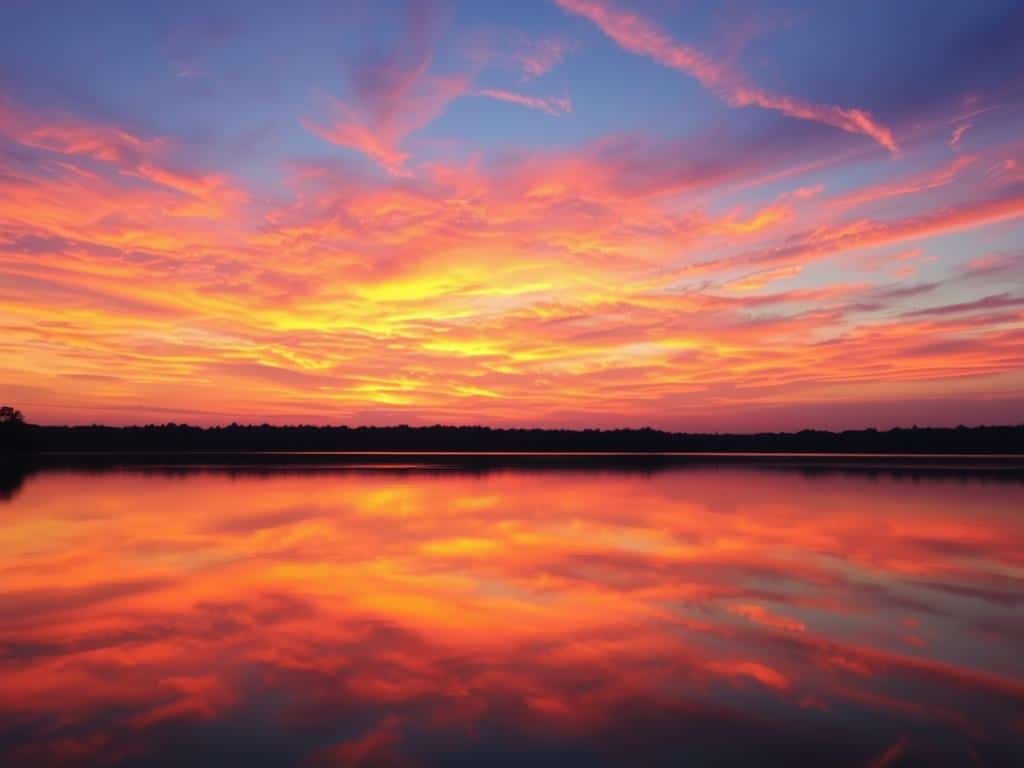
Capturing the beauty of sky gradients, like during the golden hour, can make your photos stand out. The soft, warm light of this time is perfect for landscape photography. To get the best results, here are some color editing tips to enhance your photos.
Golden Hour Edits for Optimal Effects
Golden hour photography brings out rich earthy tones and vibrant colors. First, I adjust the white balance to capture the warm glow right. I then increase the saturation of warm colors but avoid overdoing it.
Using Adobe Lightroom or Photoshop, I make subtle contrast adjustments. This brings out the sky’s depth, making the gradients more striking.
Minimizing Green Tones in Your Work
Green tones can lessen an image’s emotional impact. I check the color histogram and adjust as needed. Reducing green hues under the HSL panel helps balance the colors.
When vibrant gradients are present, I use selective color adjustments. This keeps the colors as the main focus. Sharpening only key details helps keep the mood without overwhelming the image.
Conclusion
Understanding sky colors is key for artists and photographers. It helps us create stunning sky gradients that move people. By using Rayleigh scattering and color temperature, we can capture the beauty of sunsets.
Sunsets change from deep blues to soft pinks and oranges. We can capture these colors by layering and playing with clouds. This makes our art more emotional and real.
This article encouraged you to try different colors and ways of arranging them. You can use Adobe Photoshop or paint on canvas. The goal is to find your own style.
Finding this balance helps us make sky colors pop in our work. This makes our art more engaging and meaningful.
I hope to inspire you to see the beauty in sky colors. By using what we’ve learned, you can create amazing art. Your work will show the beauty of nature and touch people’s hearts.
