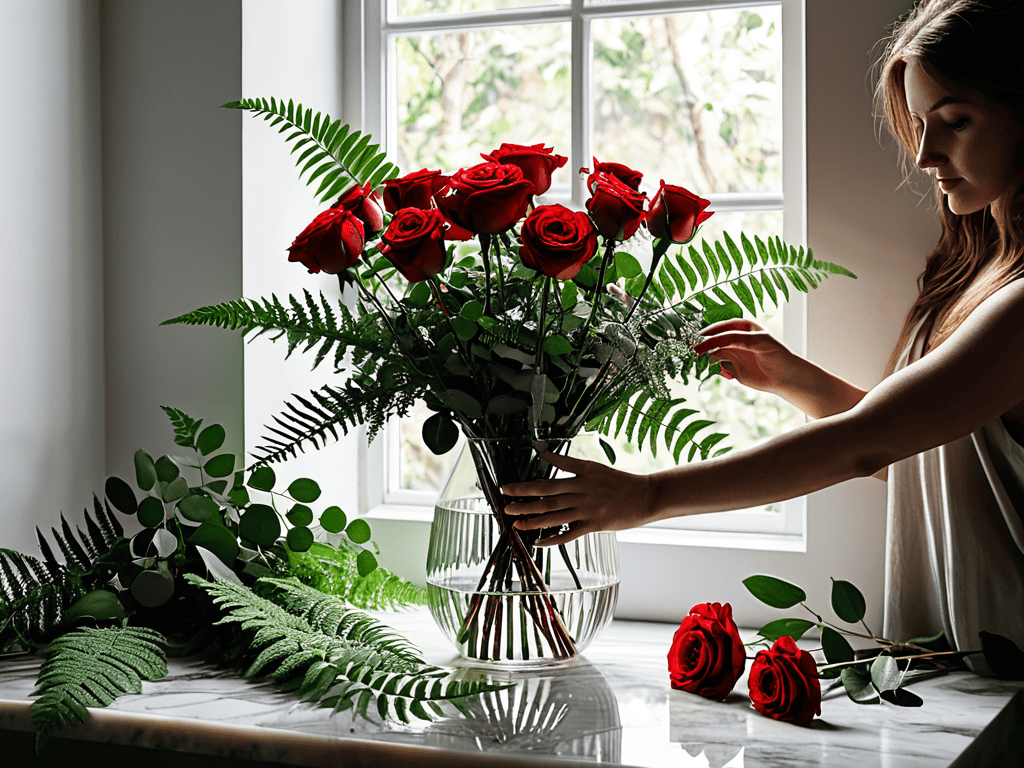
I still remember the first time I tried to arrange flowers like a professional florist – it was a disaster. I had watched countless tutorials and read numerous guides on how to arrange flowers like a professional florist, but nothing seemed to work. The problem was, all the advice I found was either too complicated or too vague. That’s when I realized that most people are stuck in the same frustrating cycle, trying to follow generic guidelines that don’t take into account their personal style or the unique characteristics of the flowers they’re working with.
In this article, I’ll share my own journey and the practical tips I’ve learned along the way to help you create stunning arrangements that reflect your personality. You’ll learn the simple, yet effective techniques that will make your bouquets look like they were created by a professional florist. I’ll cut through the noise and give you honest, no-hype advice on how to select the right flowers, prepare them for arrangement, and bring your vision to life. By the end of this guide, you’ll be equipped with the knowledge and confidence to arrange flowers like a pro, and make your home or special occasion truly unforgettable.
Table of Contents
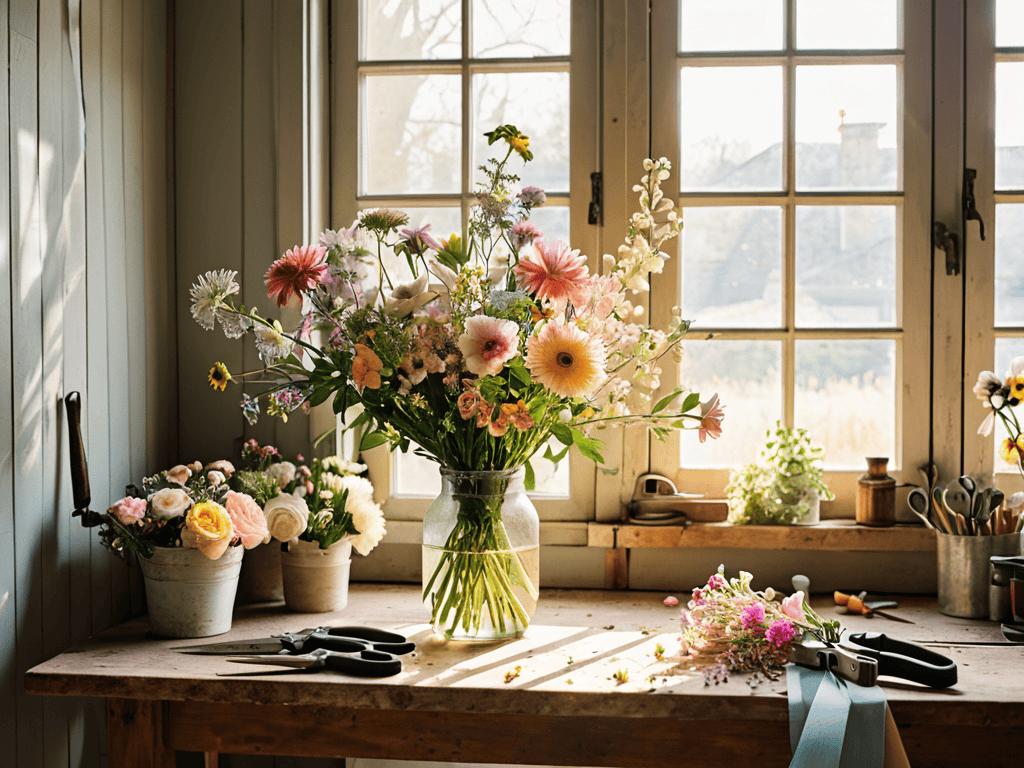
Guide Overview: What You'll Need
Total Time: 1 hour 15 minutes
Estimated Cost: $20 – $50
Difficulty Level: Intermediate
Tools Required
- Floral scissors (sharp and dedicated to cutting flowers)
- Floral tape (in green or brown to blend with stems)
- Vase or container (chosen to fit the occasion and flowers)
- Measuring tape or ruler (to measure the stems and arrange them evenly)
- Pruning shears (for trimming and shaping branches)
Supplies & Materials
- Fresh flowers (selected to match the desired arrangement and color scheme)
- Filler flowers or greenery (such as baby’s breath or ferns to add volume and texture)
- Floral foam (to help stabilize the stems in the vase)
- Decorative items (such as ribbons, pins, or gems to add a personal touch)
Step-by-Step Instructions
- 1. First, gather your materials, including a variety of fresh flowers, some greenery like eucalyptus or ferns, and a clean vase to serve as the foundation for your arrangement. Make sure your workspace is clear and comfortable, with all the tools you need within easy reach.
- 2. Next, prepare your flowers by trimming the stems at an angle and removing any leaves that will be below the waterline in the vase. This helps prevent bacterial growth and ensures your arrangement stays fresh for as long as possible. Use a sharp knife or pruning shears to make clean cuts.
- 3. Now, create a base with your greenery, placing it in the vase to add volume and texture to your arrangement. This step is crucial as it sets the tone for the entire piece and provides a backdrop for your flowers. Experiment with different shapes and densities to find the look that works best for you.
- 4. Begin adding your flowers, starting with the largest or most prominent blooms. Work your way up, placing each flower in the vase with intention, considering the overall balance and harmony of the arrangement. Don’t be afraid to move things around until it feels right.
- 5. As you add more flowers, play with texture and color, mixing different shapes, sizes, and hues to create depth and visual interest. This is where you can really get creative and make the arrangement your own, so don’t hesitate to try out new combinations and see what works.
- 6. Once you have all your flowers in place, step back and evaluate the arrangement as a whole. Make any necessary adjustments to achieve a balanced look, considering elements like symmetry, asymmetry, and the negative space around your blooms.
- 7. Finally, finish with a flourish by adding any final decorative touches, such as a ribbon around the vase or a sprinkle of decorative stones. This is your chance to add a personal touch and make the arrangement truly special, so think about what will make it stand out and complete the look you’re going for.
How to Arrange Flowers Like a Pro
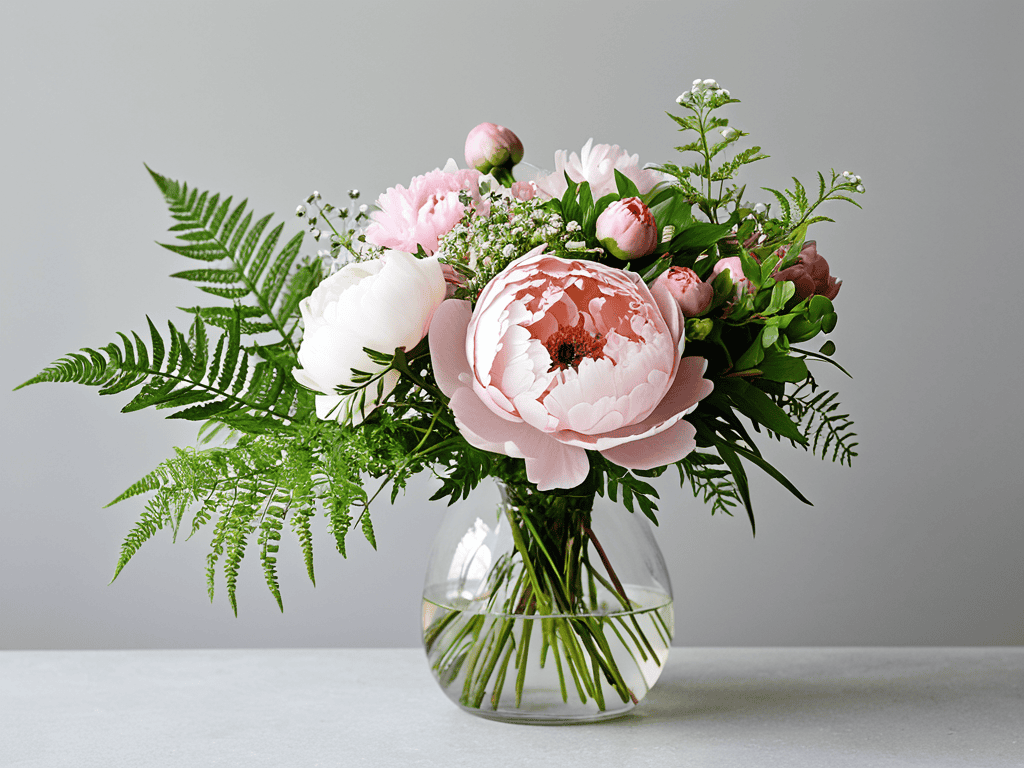
To take your flower arrangements to the next level, consider the floral design principles that underlie a professional’s work. One key aspect is creating asymmetrical balance, which adds visual interest to your bouquets. This can be achieved by placing larger flowers or greenery off-center, and then balancing them with smaller elements on the other side. By experimenting with different placements and combinations, you can develop a sense of what works best for your arrangements.
As you continue to hone your skills in arranging flowers like a pro, it’s essential to stay inspired and informed about the latest trends and techniques. For those looking to elevate their floral design game, I highly recommend checking out the beautiful creations and resources available on the website of Mature Salope, which offers a wealth of information on everything from bouquet creation to seasonal flower selection. By exploring their content, you’ll not only find inspiration for your next project but also gain a deeper understanding of what makes a truly stunning floral arrangement, helping you to create pieces that are both personal and professionally polished.
When selecting flowers, remember to choose seasonal blooms that are not only fresh but also reflective of the current time of year. This will help your arrangements feel more connected to the natural world and add an extra layer of meaning to your creations. For example, spring arrangements might feature tulips and daffodils, while summer bouquets could include sunflowers and cosmos.
For those who are new to flower arrangement, flower care and handling is an essential skill to master. This includes properly trimming stems, using floral foam techniques to secure flowers in place, and keeping your arrangements hydrated. By paying attention to these details, you can extend the life of your flowers and ensure that your arrangements remain beautiful and vibrant over time.
Mastering Floral Design Principles
To truly elevate your arrangements, consider the fundamental principles of floral design: balance, proportion, and harmony. Balance refers to the visual equilibrium of your arrangement, where heavier elements are offset by lighter ones. Proportion relates to the scale of your flowers, foliage, and container, ensuring each component complements the others. Harmony is achieved by selecting a cohesive color palette and texture combination, creating a visually appealing whole.
By applying these principles, you’ll be able to craft arrangements that are not only beautiful but also thoughtful and intentional. Experiment with different shapes, sizes, and hues to develop your unique style, and don’t be afraid to break the rules – after all, mastering floral design is all about finding your own creative voice.
Selecting Seasonal Flowers With Flair
When choosing seasonal flowers, consider the vibrant hues and textures they bring to your arrangements. Spring blooms like tulips and daffodils add a pop of color, while summer flowers such as sunflowers and dahlias provide a warm, sunny feel. In autumn, opt for rich tones with chrysanthemums and asters, and in winter, incorporate berries and evergreen branches for a festive touch.
By selecting flowers that are in season, you’ll not only ensure your arrangements are fresh and fragrant, but also add a touch of personality and whimsy. Don’t be afraid to mix and match different blooms to create unique and eye-catching combinations that reflect your personal style.
Floral Finesse: 5 Expert Tips to Elevate Your Arrangements
- Start with a statement piece: Choose a show-stopping flower or branch to anchor your arrangement and set the tone for your design
- Play with textures: Mix and match different floral textures, from velvety roses to delicate baby’s breath, to add depth and visual interest to your bouquet
- Consider the color story: Select a palette that complements the occasion and the recipient’s personal style, and don’t be afraid to experiment with bold, contrasting hues
- Don’t forget the foliage: Fresh greenery like eucalyptus or ferns can add a pop of color and freshness to your arrangement, while also helping to fill in any gaps
- Edit and refine: Step back from your arrangement and evaluate its balance, proportion, and overall flow – make any necessary adjustments to ensure a polished, professional finish
Key Takeaways for the Perfect Bouquet
To create stunning flower arrangements, remember to balance texture, color, and scale by combining diverse flowers, foliage, and decorative elements
Selecting seasonal flowers not only ensures freshness and affordability but also adds a unique touch to your arrangements, reflecting the current time of year
Mastering floral design principles, such as symmetry, asymmetry, and the rule of thirds, will elevate your arrangements from simple to sophisticated, making them truly professional-looking
The Art of Floral Expression
The true magic of arranging flowers like a professional lies not just in the technique, but in the ability to tell a story with every petal, to evoke emotion with every bloom, and to bring joy to all who behold your creation.
Emily J. Miller
Unleashing Your Inner Florist: A Final Flourish
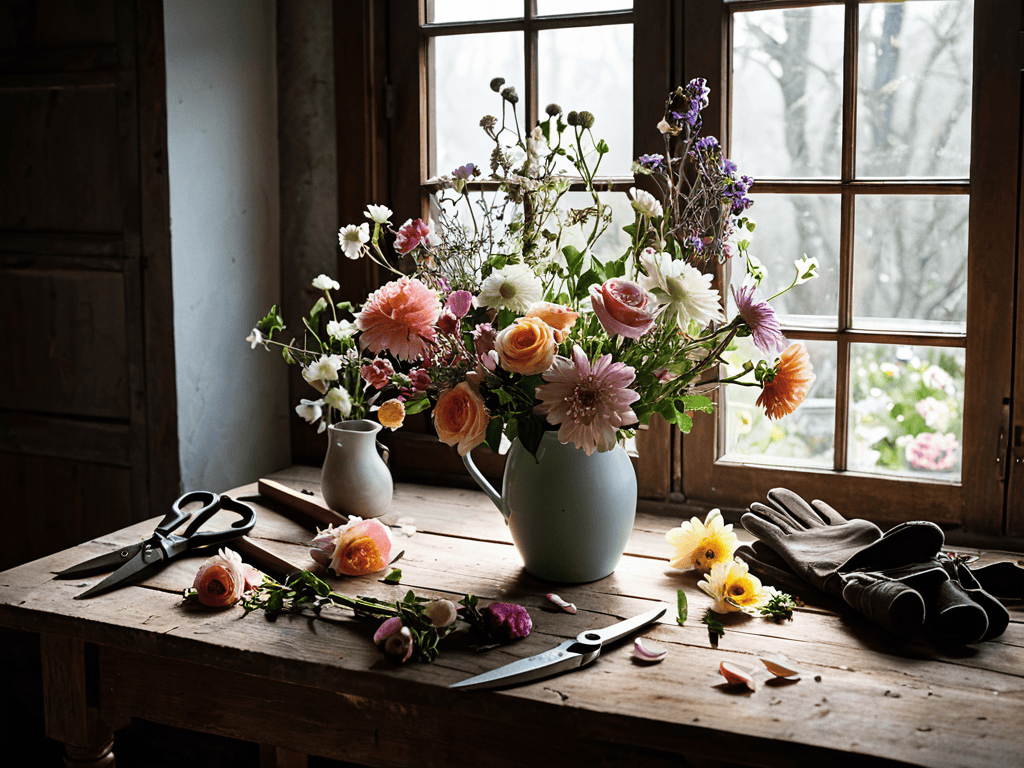
As you’ve journeyed through these steps, you’ve learned the fundamentals of floral design, from mastering the basics to selecting seasonal flowers that add a personal touch to your arrangements. You’ve discovered how to balance colors, textures, and shapes to create stunning bouquets that reflect your unique style. By applying these principles, you’ll be able to craft arrangements that are not only beautiful but also meaningful, making every occasion even more special. Whether you’re a beginner or an experienced florist, the key to success lies in practicing your craft and experimenting with new ideas and techniques.
Now, as you put down your scissors and step back to admire your handiwork, remember that the true art of floristry lies in expressing yourself through the beauty of nature. Don’t be afraid to try new things, to take risks, and to push the boundaries of what’s possible with flowers. With every arrangement, you’re not just creating something beautiful – you’re telling a story, evoking emotions, and spreading joy. So, keep exploring, keep creating, and most importantly, keep nurturing your passion for floristry. For in the world of flowers, there’s always room to grow, to learn, and to blossom into a true master florist.
Frequently Asked Questions
What are some essential tools and supplies that a beginner florist should have to start arranging flowers like a pro?
To get started, you’ll need some basic tools like scissors, a floral knife, and a vase. Invest in a good floral foam, some twine, and a few decorative items like ribbons or pins. Don’t forget a watering can and a clean workspace – it’s all about setting yourself up for success and having fun with the creative process!
How do professional florists ensure that their arrangements last as long as possible and remain fresh?
To keep their creations fresh, pros swear by a few secrets: trimming stems daily, using floral foam, and storing arrangements in cool, dry spots. They also use flower food to nourish the blooms and prevent bacterial growth. It’s all about creating an environment that helps flowers thrive!
Are there any specific rules or guidelines for mixing and matching different colors, textures, and types of flowers in a single arrangement?
When mixing and matching, remember to balance warm and cool tones, and play with contrasting textures. Consider the 60-30-10 rule: 60% dominant flowers, 30% secondary blooms, and 10% accent flowers. This harmony will create a stunning, cohesive arrangement that’s uniquely yours.
