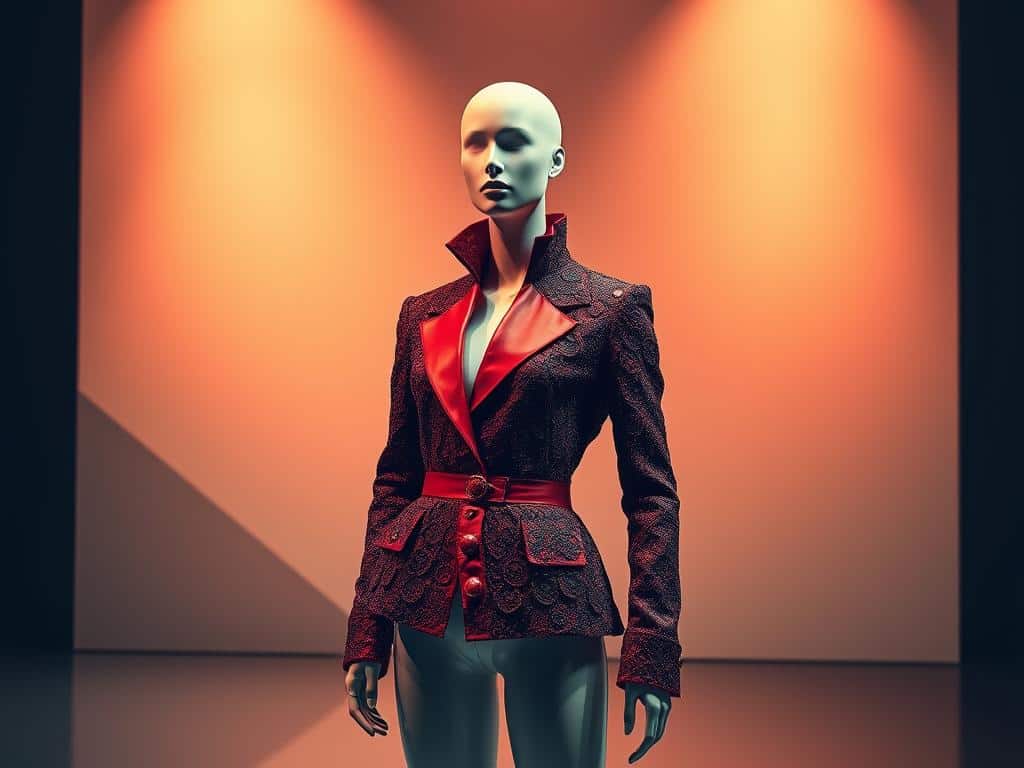
Did you know that generative AI could add between $150 billion and $275 billion to the profits of the fashion industry in just three to five years? McKinsey’s analysis shows how much AI is changing fashion. It’s moving from a dream to reality, changing design and how we shop.
AI is letting designers create in new ways. Brands can now offer clothes that fit what each person likes. This marks the start of a new era in fashion, where tech meets creativity. We’ll see how AI is changing fashion, making it more efficient, green, and creative.
Key Takeaways
- Generative AI is projected to significantly boost profits in the fashion industry.
- Personalization can lead to a 40% increase in revenue for brands.
- AI tools improve customer satisfaction through enhanced styling services.
- Fashion designers are leveraging AI for innovative and sustainable designs.
- The market for AI in fashion is anticipated to grow substantially.
The Emergence of AI in Fashion
The fashion world is changing fast with the rise of artificial intelligence. This tech is not just a passing fad. It’s changing how designs are made, improving teamwork between humans and machines, and setting new trends.
The Role of AI in Revolutionizing Design
AI can look at huge amounts of data, making it key in changing design. It can check over 100 million web sources and 1.4 trillion social media posts, as Brandwatch shows. This helps designers understand what people want, making clothes that appeal to them.
AI can also make detailed designs quickly, saving time and effort. This speeds up the design process.
Creative Collaboration: Designers and AI
Designers and AI tools work well together. Sites like Neural Fashion use AI to come up with new designs based on what’s asked for. This makes the design process faster and more creative.
AI helps designers by analyzing data in real-time. It gives insights into what’s popular and what’s not, helping brands stay on track.
Setting New Trends and Forecasting Styles
AI also helps predict what styles will be popular next. It looks at millions of images and social media to guess what’s coming. This helps brands make clothes that people will want, avoiding waste.
AI uses past sales data to guess what will sell well. This helps brands manage their stock better, making customers happier and more profitable.
Benefits of AI-Designed Clothes
AI in fashion design offers many benefits. It improves production efficiency and helps the environment. These points show how AI supports sustainable fashion.
Enhancing Efficiency and Speed in Production
AI makes production faster and more efficient. It automates tasks, freeing designers to focus on creativity. This means new collections hit the market quicker.
This change could make the fashion world more dynamic. It could speed up the cycle of new styles.
Cost Reduction and Sustainability Initiatives
AI helps cut costs in fashion. It reduces the need for physical materials in design. This lowers development costs.
This approach also supports sustainable fashion. AI helps manage inventory, reducing fabric waste. This makes the industry more eco-friendly.
Boosting Creativity with Innovative Design Tools
AI tools boost designer creativity. They create many design options quickly. This breaks old limits and encourages new ideas.
Designers use AI to explore and innovate. This keeps fashion fresh and commercially appealing. It combines human creativity with AI’s power.
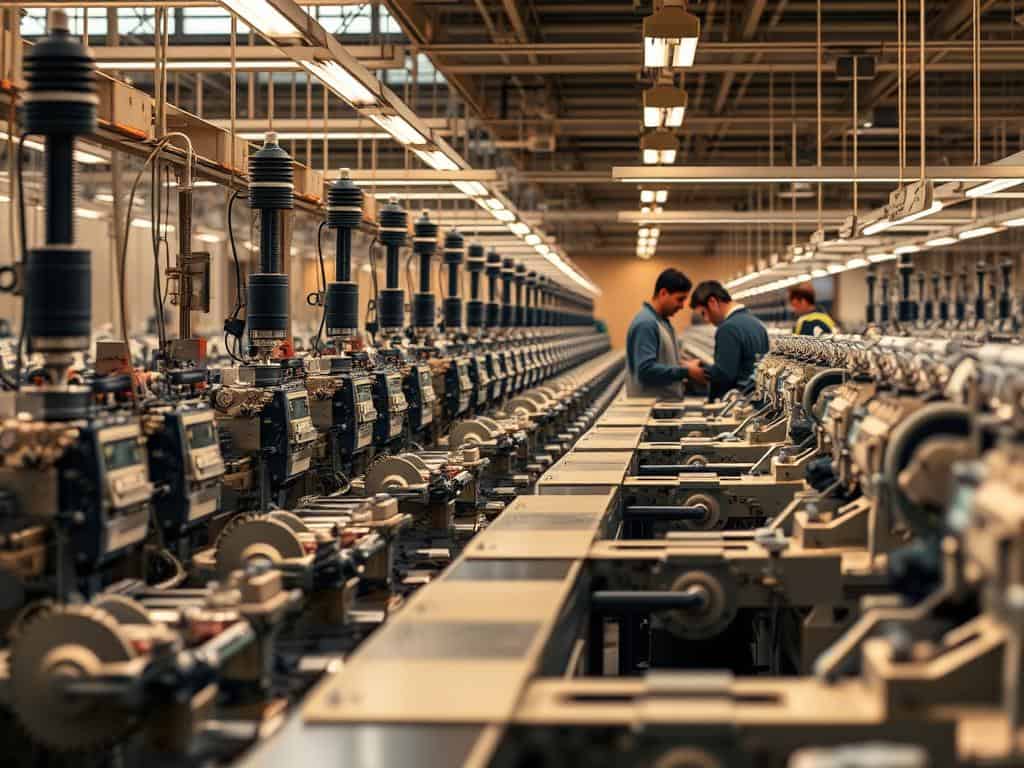
AI in Fashion: Transformations in Consumer Experience
AI is changing fashion in big ways, not just in design and making clothes. It also changes how we experience fashion. Now, brands can make clothes that fit us perfectly, thanks to smart fabrics. This makes fashion more personal and tailored to our tastes.
Personalization Through Smart Fabrics
Brands like Tommy Hilfiger use AI to give us clothes that match our style. They look at our data to make clothes that fit the latest trends. Smart fabrics also change color and shape to fit us better and even track our health.
Virtual Fashion: How AI is Shaping the Digital Runway
Virtual fashion is changing how we see and buy clothes. Designers now make digital clothes that we can see online. This lets them be more creative and reach more people.
Platforms like The Fabricant show how digital fashion can be a big deal. It lets us try on clothes virtually and even create our own digital outfits. This is a whole new way to enjoy fashion.
Improving Marketing Strategies with AI Insights
AI is making marketing in fashion better. Tools like generative AI help marketers make better ads and talk to customers in a more personal way. By understanding what we like, brands can make ads that really speak to us.
This makes us more likely to buy and feel happy with our purchases. AI helps brands stay ahead by understanding what we want and need.
Conclusion
AI is changing the fashion world in big ways. It’s making design and how we talk to customers better. This change is here to stay and is shaping the future of fashion.
AI helps make clothes faster and more eco-friendly. It cuts down on waste, which is a big problem in fashion. Fast fashion adds to this issue, making it even worse.
AI also changes how we shop. Now, 73% of people want brands to know what they like. AI makes shopping more personal by understanding what each person wants.
By 2025, AI will make shopping even better. It will offer unique experiences for everyone, not just the latest fashion trends. This includes more people, like the growing number of older shoppers.
AI is also key to solving big problems in fashion. It helps reduce waste and makes supply chains better. AI gives insights into what customers want, making fashion more sustainable.
Using AI can help fashion brands stay ahead. They can be quick to adapt and keep their practices green. This makes fashion more inclusive and exciting for everyone.
