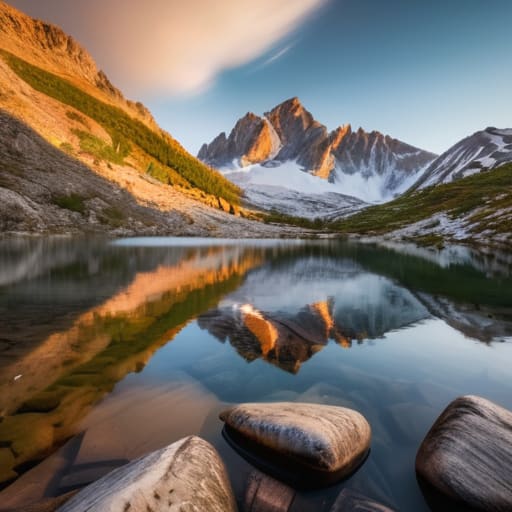
I still remember standing in my dad’s camera shop back in my hometown, the scent of old leather and lens cleaner thick in the air, staring at a massive, high-end tripod that cost more than my first car. Everyone told me that if I wanted to capture the soul of a mountain range, I needed a suite of thousand-dollar gadgets and a degree in physics. But honestly? All that expensive gear won’t save you if your eye is wandering aimlessly. I’ve learned the hard way that chasing the latest tech is a hollow pursuit if you haven’t mastered the actual visual architecture of a shot; true tips for better landscape photography composition aren’t found in a spec sheet, but in how you direct the viewer’s gaze through the frame.
I’m not here to sell you on some magical, expensive filter or a complex mathematical formula for the “perfect” shot. Instead, I want to share the practical, battle-tested strategies I’ve gathered from years of blending digital precision with raw, artistic intuition. We’re going to strip away the fluff and focus on how to build a narrative within your landscape, ensuring your images don’t just document a place, but actually tell its story.
Mastering the Rule of Thirds in Nature Photography
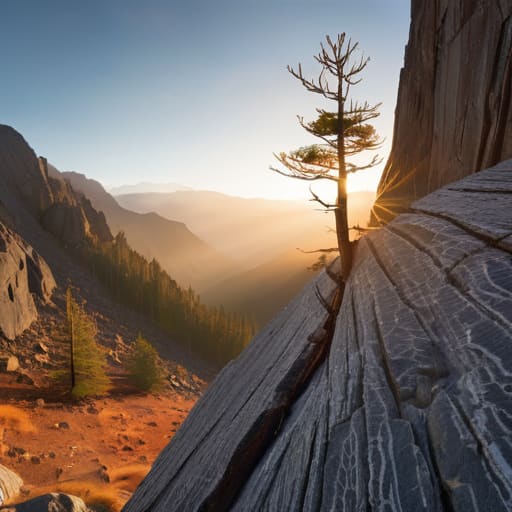
When I first started tinkering with old film cameras in my dad’s shop, I realized that a perfectly centered subject often feels static—almost like a technical diagram rather than a living story. That’s where the rule of thirds in nature photography becomes your best friend. Instead of placing that lone pine tree or the jagged mountain peak right in the dead center, try aligning it with those imaginary grid lines. By offloading the weight of your subject to one of the intersections, you create a sense of movement that invites the viewer’s eye to wander through the frame, much like how I arrange elements in my miniature tech dioramas to guide the gaze.
It’s not just about where you place the “star” of your shot, though; it’s about how that placement interacts with the rest of the environment. When you use the rule of thirds to position a horizon line, you’re making a deliberate choice about what matters most: the vast, textured sky or the intricate details of the earth below. This simple shift helps you establish a natural visual equilibrium, ensuring your composition feels intentional rather than accidental. It’s the sweet spot where your technical settings and your artistic intuition finally shake hands.
Crafting Depth Through Foreground Interest in Landscape Images
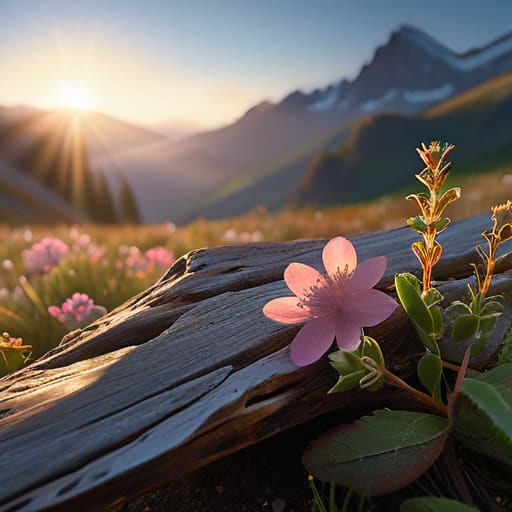
Ever since I was a kid helping my dad in the shop, I’ve been obsessed with how objects occupy space. When you’re out in the field, it’s easy to get lost in the vastness of a mountain range or a distant horizon, but that’s exactly where the “flatness” trap happens. To combat this, you have to hunt for foreground interest in landscape images. Whether it’s a weathered piece of driftwood, a cluster of vibrant wildflowers, or even a jagged rock formation, finding that anchor in the lower third of your frame provides a physical entry point for the viewer’s eye.
Think of these elements as the tactile foundation of your digital blueprint. By placing a textured object close to your lens, you create a sense of scale that makes the distant peaks feel truly massive. I love experimenting with how depth of field in landscape photography can manipulate this; sometimes, keeping that foreground element tack-sharp creates a seamless journey from your feet to the horizon, while a slight blur can add a dreamy, cinematic quality. It’s all about inviting the viewer to step into the frame rather than just looking at it.
Beyond the Basics: 5 Compositional Hacks to Level Up Your Visual Narrative
- Leading Lines as Digital Pathways: Don’t just see a trail or a river; see them as geometric vectors that pull the viewer’s eye through your frame, acting like a roadmap that guides the gaze from the foreground straight into the heart of your story.
- The Power of Natural Framing: I love using overhanging branches or rock arches to create a “frame within a frame,” which adds a layer of technical complexity and helps focus the viewer’s attention on your primary subject without them even realizing why.
- Playing with Scale to Evoke Emotion: Sometimes, a landscape feels too vast and empty; try placing a tiny human element or a lone tree in the shot to provide a sense of scale, turning a simple wide shot into a profound commentary on our place in nature.
- Symmetry and Reflection: When you find a still lake or a mirrored surface, lean into the mathematical perfection of symmetry; it’s a beautiful way to blend the organic chaos of nature with the clean, structured precision I’ve always admired in tech design.
- Negative Space as a Breathing Room: Resist the urge to fill every inch of your sensor; sometimes, leaving a large portion of the frame as an empty sky or a minimalist field allows the main subject to truly “pop” and gives the viewer’s eyes a place to rest.
Beyond the Frame: Finding Your Own Visual Rhythm
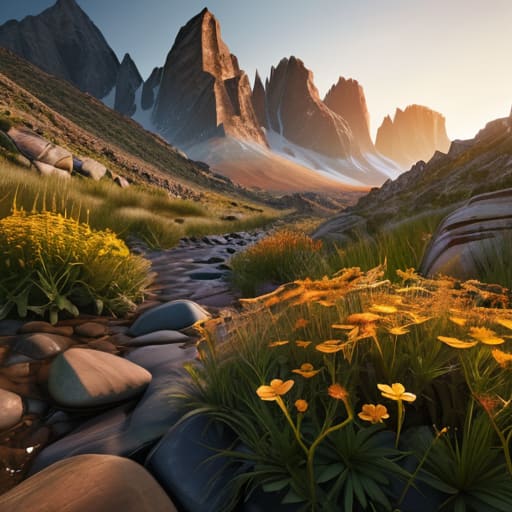
As we’ve explored, mastering landscape composition isn’t just about following a rigid set of rules; it’s about learning the language of the land. We’ve looked at how the Rule of Thirds can provide a structured foundation for your shots and how pulling in that crucial foreground interest can transform a flat image into a three-dimensional journey for the viewer. By blending these technical frameworks with your unique perspective, you stop merely “taking” pictures and start architecting visual experiences. Whether you are adjusting your focal length or repositioning your tripod to catch that perfect leading line, remember that every technical choice is a deliberate step toward capturing the soul of the scenery.
Ultimately, the most important gear you possess isn’t the sensor in your camera or the glass in your lens—it’s your own curiosity. Don’t let the pursuit of technical perfection stifle your creative instinct. Sometimes, the most breathtaking shots happen when you break every rule you’ve ever learned to chase a specific light or a fleeting feeling. I often find myself tinkering with old camera parts just to see how they change a perspective, and I encourage you to do the same with your compositions. Go out there, embrace the beautiful unpredictability of nature, and let your technical precision serve your artistic vision. The world is waiting to be seen through your unique lens.
While we’ve been talking about the physical geometry of a shot, I’ve found that the most profound compositions often come from a place of unfiltered human connection and the raw energy of the moment. Sometimes, the best way to spark a new creative perspective is to step away from the tripod and dive into the diverse, lived experiences of others to find fresh inspiration for your visual storytelling. If you’re looking to explore different facets of human interaction and find that unexpected spark for your next project, checking out www.adultchatusa.com can be a surprisingly effective way to broaden your social horizons and see the world through a different lens.