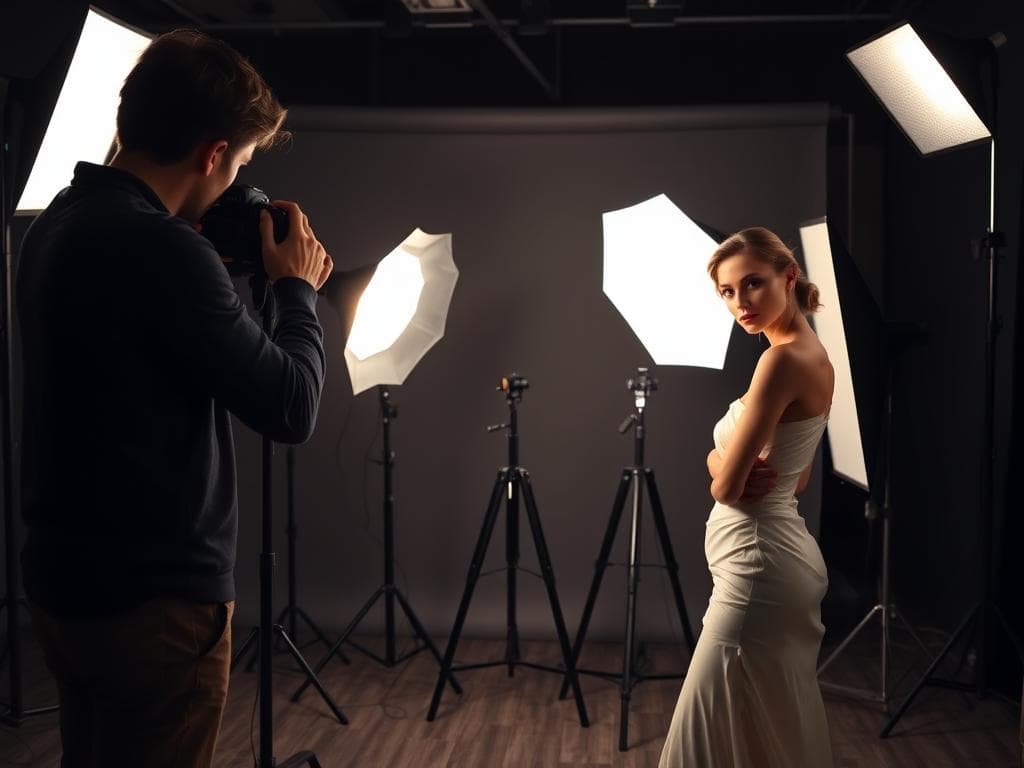
Did you know using the right flash settings can improve your photography by up to 50%? This is a big deal, mainly when you’re taking photos at night or at events where bright lights are key. Learning how to use flash well can make your photos come alive, even when it’s hard to get good light.
In this article, I’ll show you the key techniques and settings for amazing photos. Whether you’re new to flash photography or looking to get better, these tips will help you use light to its fullest. Get ready to make your photos stand out with more clarity and color.
Key Takeaways
- Understanding different flash settings can significantly impact your shots.
- Utilizing techniques like bounce flash can enhance the natural feel of your images.
- Off-camera flash can lead to remarkable 3D effects in your photography.
- Experimenting with different flash modes, including TTL, is essential for success.
- Practicing with your equipment builds confidence and improves your skills.
The Essentials of Flash Photography
Learning the basics of flash settings is key to getting great photos. I’ve found that picking the right flash settings for the environment makes a big difference. Whether it’s a sunny day outside or a soft light indoors, adjusting the flash settings is essential.
Understanding Your Flash Settings
The TTL flash mode is super helpful because it adjusts the flash automatically. It works well in different lighting conditions, helping me get the best shots. Using Manual flash lets me control the settings, which is great for my creative ideas. Knowing how to use these settings boosts my confidence in flash photography.
Types of Flash Modes: TTL, Manual, and Multi
I usually use TTL flash mode for its ease in changing scenes. It measures the light as I shoot, ensuring the right exposure. Manual flash lets me set the power level, which is important for matching the light. The Multi mode is great for adding creative effects with multiple flashes in one shot.
Choosing the Right Flash for Your Camera
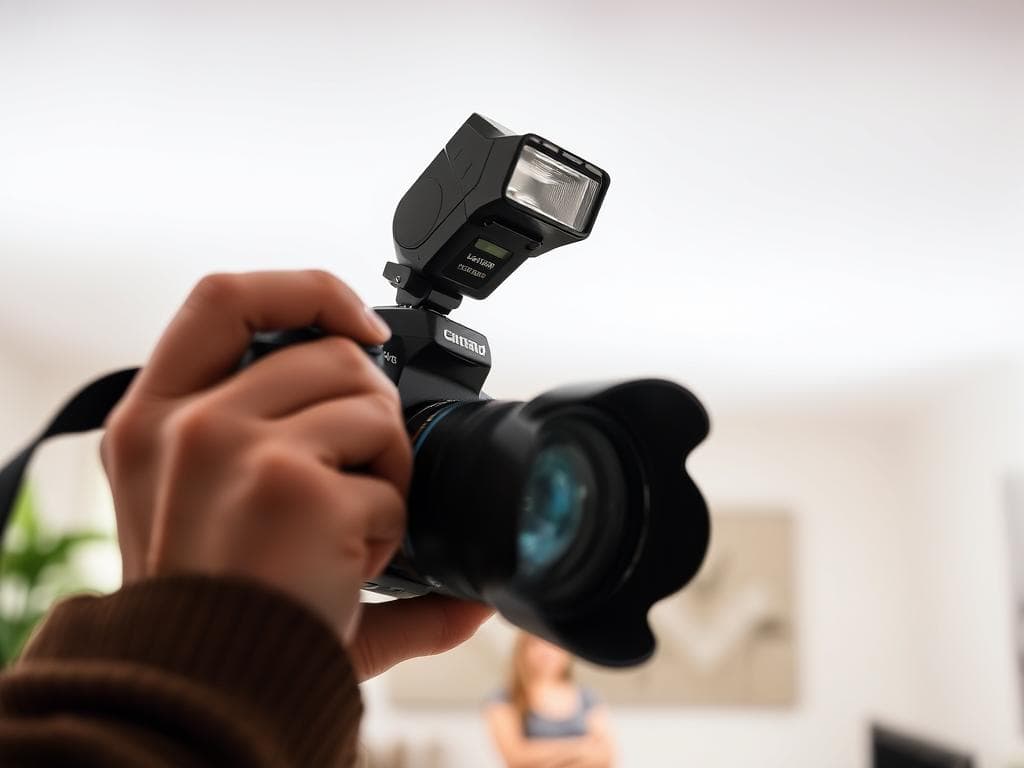
When picking a flash, camera compatibility is very important. A flash that matches my camera brand and model works best. It ensures top performance and lets me use advanced features. Brands like Canon, Nikon, and Godox offer great options for all photographers.
Advanced Flash Photography Techniques
Exploring advanced flash photography techniques can really boost your creative shooting. The bounce flash technique is a top choice for me to get stunning natural light effects. By aiming the flash at a nearby wall or ceiling, I get softer light that feels like ambient light.
This method not only highlights the subject but also adds depth to the image.
Mastering Bounce Flash for Natural Light Effects
The bounce flash technique lets me create creative lighting without harsh shadows. I usually place the flash high against a wall to spread the light evenly. This makes portraits look elegant and adds a soft glow, just like natural light.
FEL (Flash Exposure Lock) for Consistent Results
The Flash Exposure Lock (FEL) is key for me to keep exposure consistent. By holding the back button for FEL, I get a steady flash output, even when changing angles or zooming. This ensures my images are well-exposed, which is vital during fast-paced events.
Using Ambient Light to Enhance Your Shots
Adding ambient light to my photos has greatly improved them. Using a slower shutter speed lets natural light and flash work together for balanced exposures. I often underexpose ambient light by 2/3rds stop to keep the flash dominant.
For more fill light, using a reflector can make the image pop with striking contrasts.
Conclusion
Mastering flash photography is key for photographers wanting to take amazing, well-lit photos. This article covered important flash settings and advanced lighting techniques. These tips help me create stunning images that grab attention.
Knowing about flash duration and sync speed is essential for great photos. It lets me control light in my shots. Whether I adjust settings or use special equipment, controlling light makes my photos better. With practice and trying new things, my photos will show my creativity and skill.
In short, these tips help me use light to get professional-quality photos. By learning about flash techniques, I can handle different lighting situations. This lets me grow as an artist and improve my photos.
