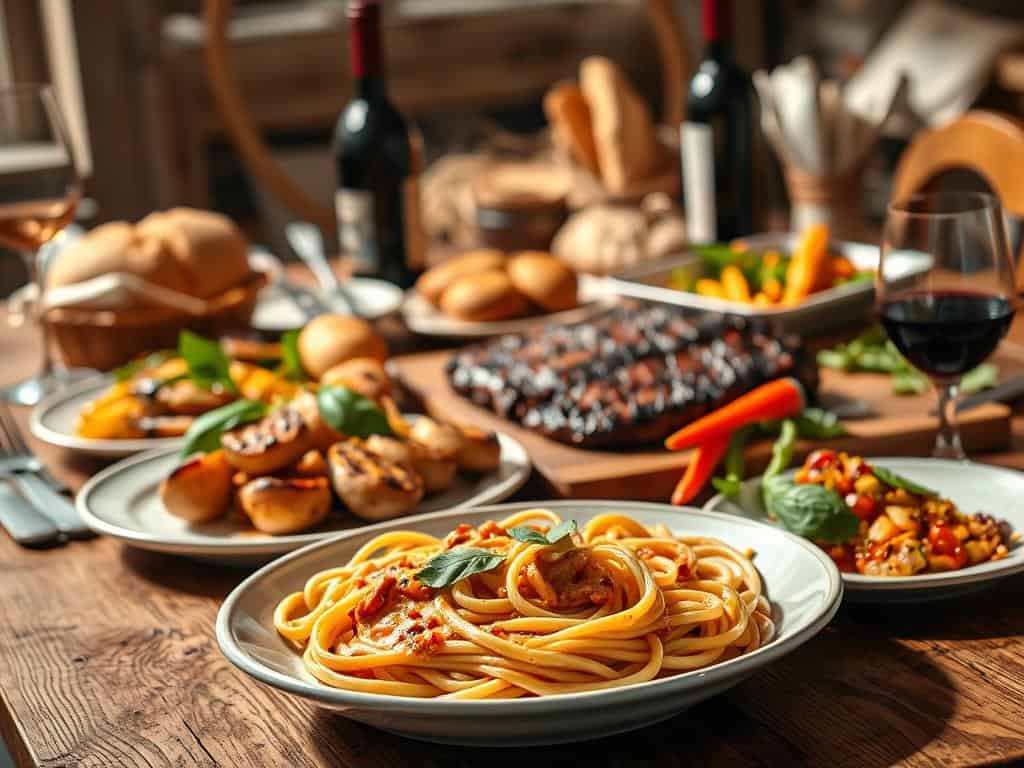
Did you know that 75% of consumers say photos on a restaurant’s website affect their choice to eat there? In today’s world, where pictures are everything, great food photos can make a big difference. I’ll share key tips for food photography that can make your dishes stand out and impress your viewers.
With top-notch food photos, restaurants can see a 30% sales boost on average. It’s clear that knowing how to make food images pop is key for chefs, food enthusiasts, and marketers. So, let’s dive into some practical tips to make your food look irresistible and improve your photography skills.
Key Takeaways
- 75% of consumers are influenced by restaurant photos when choosing a dining location.
- High-quality food photos can boost restaurant sales by 30% on average.
- Utilizing natural light is essential for minimizing harsh shadows and enriching food textures.
- Minimalist plating increases the perceived elegance of a dish by 25%.
- Regular practice and experimentation are vital for improving your food photography skills.
Understanding the Importance of Food Photography
Food photography is an art that makes food and drinks look irresistible. It’s not just about taking pictures; it’s about using techniques to show off colors, textures, and how dishes look. It started with simple fruit images and has grown into a key marketing tool for restaurants.
What is Food Photography?
Food photography is about creating images that tell a story and grab people’s attention. It’s used in menus, social media, and ads. Good photos can make people want to try new dishes.
Visual content is more engaging than text alone. It can make people 94% more likely to interact with it.
Why Food Photography Matters for Restaurants
Most people choose a meal based on its photo. This shows how big of a role food images play in our decisions. For restaurants, having great photos can really help.
Studies show that restaurants with good food photos can see a 30% increase in sales. They also get more people talking about them online.
In today’s world, 70% of people want to see food images before they order. Food photos can even make people think a dish tastes better. This makes it clear that good visuals are key for restaurants to succeed.
Essential Tips for Effective Food Photography
Creating stunning food photography is more than just technical skills. It’s about using natural light effectively. By mastering lighting and composition, I can highlight the beauty of each dish. Here are some tips to take your food photography to the next level.
Utilize Natural Light
Natural light is my top choice for food photography. It offers a soft, flattering glow. I seek indirect daylight to avoid harsh shadows that can spoil the look of the food.
When shooting, I prefer windows or overcast days. These conditions help me capture clean, vibrant images. To get the best light, I adjust the subject’s position and try backlighting for a beautiful glow.
Experiment with Composition
Composition is key to making my food images visually appealing. I often use the rule of thirds to place dishes at grid intersections. This creates interest.
Vertical photos work well on Instagram, while horizontal shots are better for blogs. I also take 45-degree and overhead shots for different angles. Full bowls make dishes look inviting, and simple backgrounds focus attention on the food.
Style Your Food for the Camera
Food styling is essential for high-quality images. I ensure the plate is clean and choose garnishes wisely to boost value. Props like vintage cutlery add elegance.
Adding a bit of oil to meats or misting fruits and vegetables gives them a fresh look. These techniques transform simple dishes into captivating images that grab viewers’ attention.
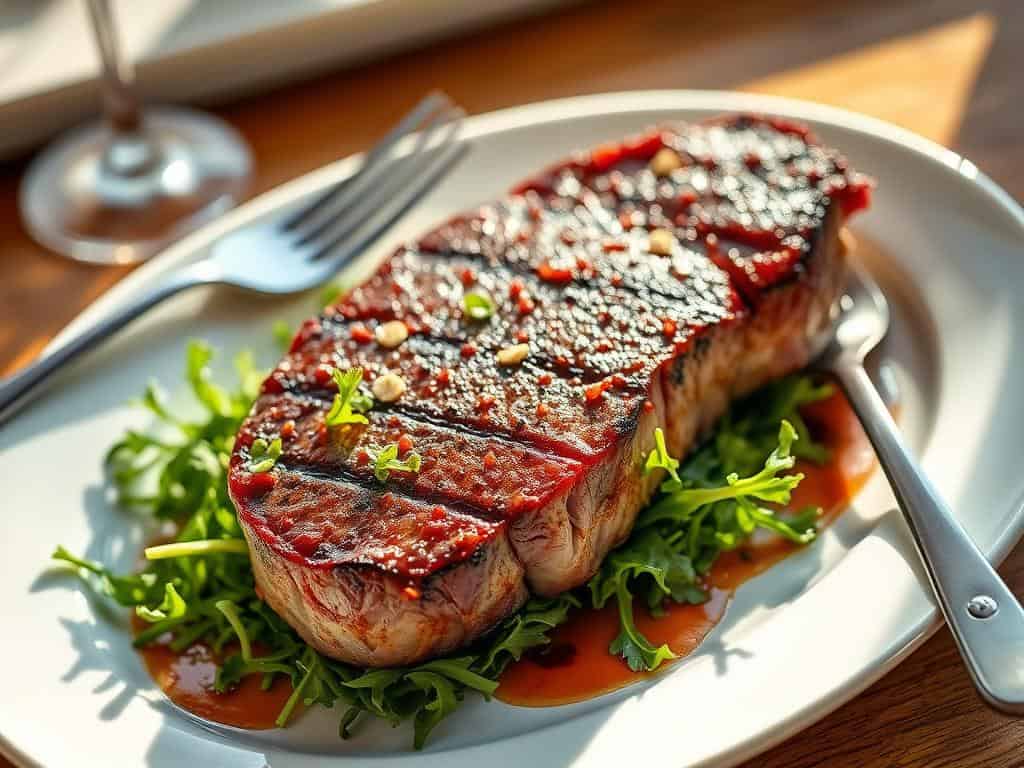
Mastering Food Photography Techniques
To get stunning food photos, you need to know advanced techniques. One key skill is understanding depth of field. It’s about focusing on the dish and blurring the background.
Utilizing Depth of Field
Food photography often uses a shallow depth of field. This makes the main subject stand out. The background gets a soft blur. I set my aperture to f/4.5 for the best balance.
This way, the food’s textures and colors pop. It’s all about making the dish the star.
Editing Your Photos to Enhance Visual Appeal
Editing food photos is a must. Even small tweaks can make a big difference. I use Adobe Lightroom or Photoshop to fine-tune exposure, color, and contrast.
Good editing can turn a good photo into a great one. It makes the dish look even more appealing.
Conclusion
Understanding the importance of food photography is key for anyone wanting to show off their cooking. It turns a simple meal into a stunning visual treat. This art not only whets the appetite of possible customers but also influences their choices a lot.
The advantages are obvious: studies reveal that attractive food pictures can boost interest by up to 70%. Also, 80% of people are more inclined to go to a restaurant after seeing appealing food photos on social media. This shows how vital good food images are in today’s digital world, where they can increase sales by about 30% for restaurants.
By using techniques like natural light, composition, and advanced editing, I can make food photos that grab attention. These photos don’t just make dishes look good but also improve the dining experience. Investing in this visual strategy helps me connect with customers better, boosts brand recognition by 40%, and leads to great results online and offline.
