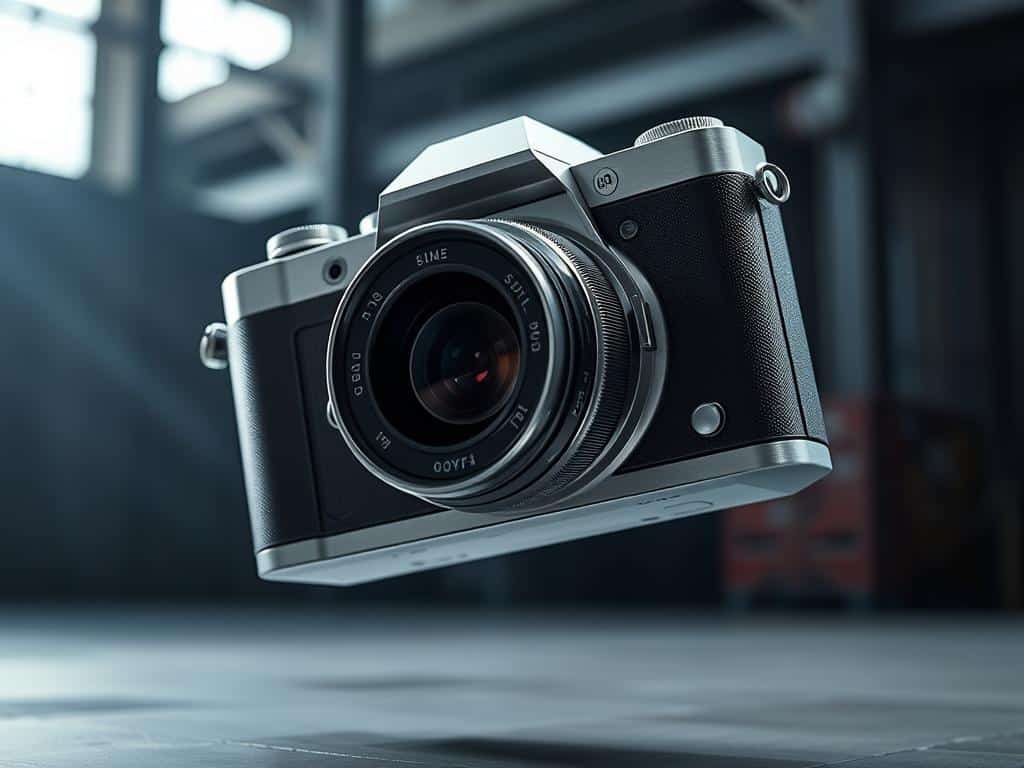
Did you know DSLR cameras can now go up to ISO 51,200? Canon’s ME20F-SH even goes up to 4 million ISO. This shows how far camera tech has come. As a filmmaker and photographer, I’ve seen cameras change a lot.
The future of cameras isn’t just about taking pictures. It’s about doing it smarter and easier. Cameras will soon use AI to adjust settings for you. They’ll also be smaller and more portable.
We’re going to look at the latest camera tech. It’s changing how we take and see photos. Get ready for a brighter future in photography!
Key Takeaways
- The landscape of photography is rapidly evolving with AI integration.
- Revolutionary designs are paving the way for voice-activated camera functionalities.
- Ultra-compact cameras are becoming increasingly accessible for enthusiasts.
- Low-light photography is entering a new era with groundbreaking ISO capabilities.
- Future innovations promise to transform our connection with images.
Innovative Features Shaping the Next Generation of Cameras
The world of photography is changing fast thanks to new tech. AI-powered cameras make taking photos easier and better. They adjust lighting and color on their own, so you get great pictures with little effort.
Even beginners can take amazing photos with these cameras. They have smart autofocus and image stabilization. This means you can focus on taking pictures, not learning how to use the camera.
AI-Powered Gear Transforming Photography
Cameras like the Canon EOS R5 Mark II show how AI changes photography. They have high-quality sensors and can shoot 8K video. These cameras also have AI for facial recognition and composition help.
This makes taking the perfect photo easier and faster. Even beginners can get professional results. The tech is getting better all the time.
Voice Commands and Mechanical Shutter Alternatives
Voice-controlled cameras are a big step forward. They let you take photos without using your hands. This makes photography more fun and easy.
Brands like Nikon and Canon are also working on new shutter options. These changes make cameras more convenient without losing quality. It’s all about making photography better for everyone.
Ultra-Compact Designs for Easy Portability
Cameras are getting smaller and lighter. This is because people want to carry them easily. Cameras like PaperShoot are made to be small but strong.
These small cameras are great for photographers on the move. They don’t sacrifice quality or creativity. You can take your camera anywhere and keep taking amazing photos.
Futuristic Camera Tech: The Role of AI and Beyond
AI and new tech are changing photography a lot. Advanced photo editing tools are key, giving us new ways to improve photos. These tools can adjust settings on the fly for better images.
This makes photography more creative and efficient. It lets us focus on our art more.
Enhanced Photo Editing and Composition
Now, photographers can edit photos in new ways thanks to AI. It can make changes that humans can’t, like adjusting focus and colors. This makes editing easier and opens up new creative possibilities.
Light Field Photography and Its Impact
Light field tech is changing how we take and edit photos. It lets us change focus points after we take a photo. This tech uses advanced sensors and algorithms for better control over images.
It’s great for storytelling and has many uses, from photography to healthcare. Its future looks very promising.
Augmented Reality Integration in Camera Functionality
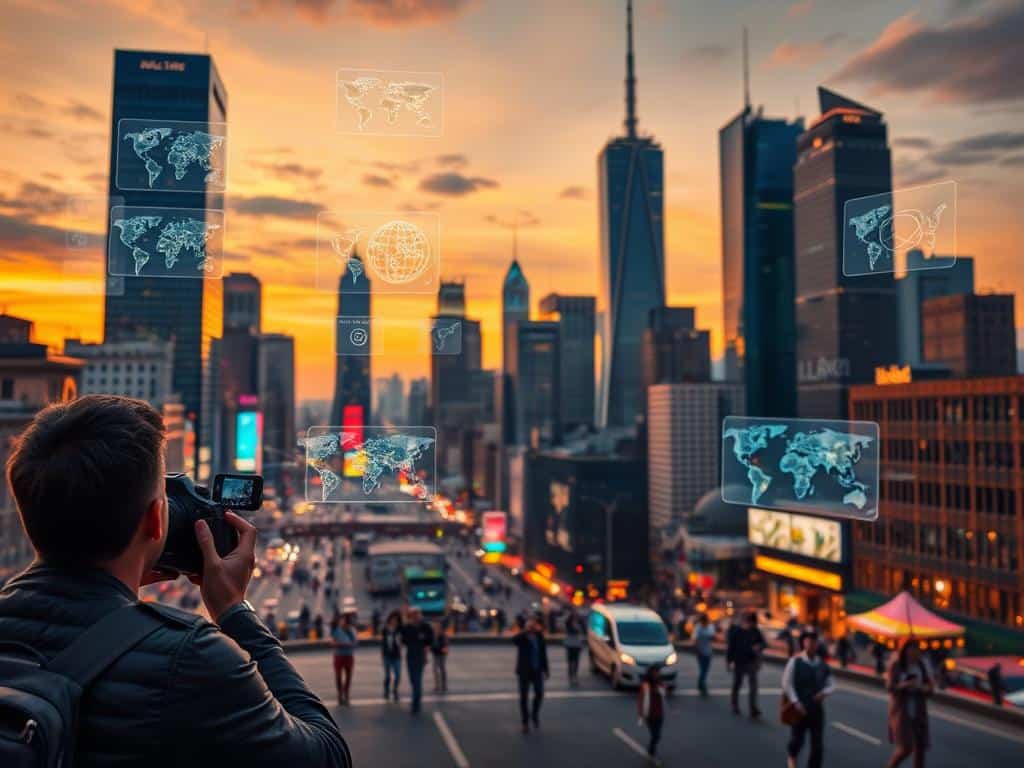
Augmented reality is changing how we see and interact with photos. It mixes digital elements with the real world for interactive stories. This can change retail by allowing virtual try-ons, making shopping more fun.
Sustainability and Advancements in Energy Efficiency
In the world of photography, sustainability is key. The industry is moving towards greener options. Solar-powered cameras are leading this change, using renewable energy to keep photographers shooting all day.
Solar-Powered Cameras: A Game Changer
Solar-powered cameras are a big step forward. They use sunlight to power, making them super sustainable. This means photographers can shoot for hours without worrying about batteries.
This change is great for the planet and opens up new possibilities. It’s perfect for nature and landscape photography.
Rechargeable Innovations for Continuous Use
There’s also a big push for better batteries in cameras. These new batteries last longer, letting photographers keep working all day. Solar cameras and better batteries are changing photography.
They make it possible to focus on art without worrying about the environment. It’s a win-win for both.
Conclusion
The future of photography is exciting and full of new ideas. We’ve seen how AI and augmented reality are changing how we take and share photos. These changes let photographers be more creative and connect with their audience in new ways.
Looking at today’s technology, we see that most photographers have what they need. But, there’s always a push for better performance, like faster shots and better flash syncing. Advances like AI noise reduction and autofocus are making photos better in tough conditions. This is a big step forward for photography.
Generative AI is also making us think about what makes a photo real and valuable. While technology makes photography more accessible, it also makes professionals rethink their work. As we move forward, there are endless opportunities for creativity and growth in photography.
