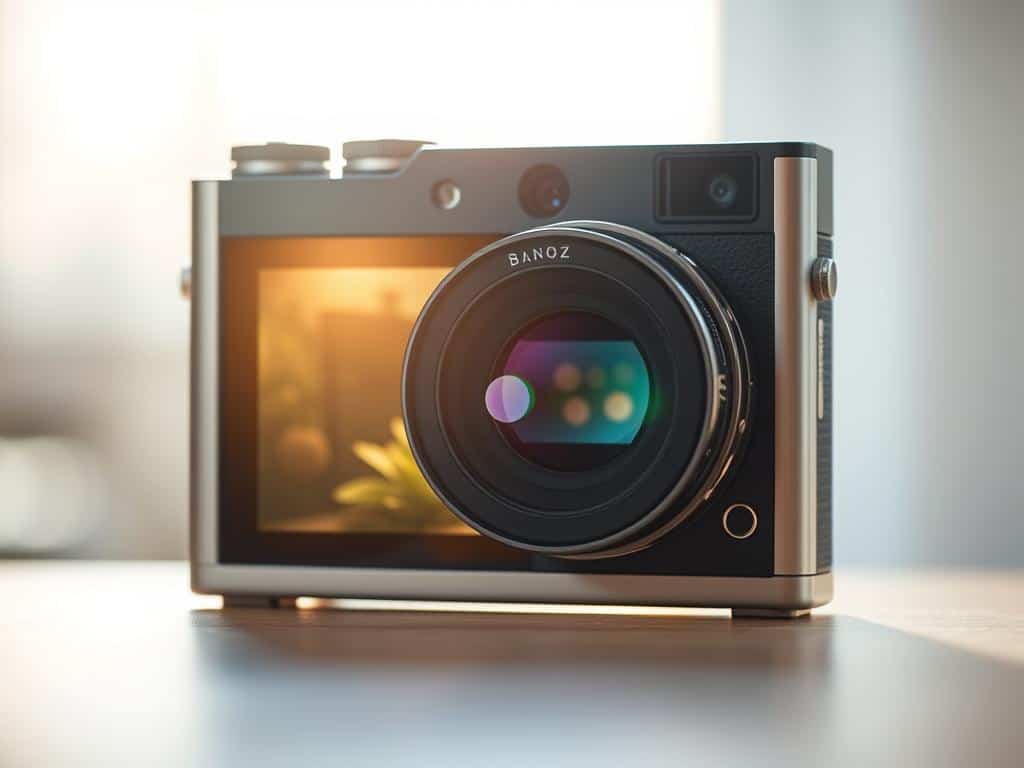
The first light field camera prototype was made in 1992. By 2011, Lytro launched the first commercial model. It aimed to change how we see and take pictures. Lytro closed in 2018, but light field cameras’ impact on photography lives on.
These cameras let users adjust focus after taking a photo. They capture light intensity and direction. This technology is key to Apple’s push in computational photography, changing how we tell stories with images.
Key Takeaways
- Light field technology allows for post-capture focus adjustments.
- Advancements in computational photography are shaping the future of photography.
- Light field cameras capture both color and orientation, unlike traditional options.
- Apple is exploring the integration of light field technology in smartphones.
- The concept of ‘Living Images’ enhances viewer engagement.
- Micro-lens arrangement creates a parallax effect in captured images.
Understanding Light Field Cameras
Light field photography is a big step forward in capturing images. It goes beyond regular photos by recording light’s intensity and direction. This results in amazing 3D scenes, known as *living images*. Viewers can feel like they were there when the photo was taken.
What is Light Field Photography?
Light field photography captures five dimensions: three for space and two for light angles. It’s different from regular photos, which only show light intensity. This way, images feel more real and detailed, pulling viewers into the scene.
How Do Light Field Cameras Work?
Light field cameras use many small lenses to collect light information. The Lytro camera, a leader in this field, had a one-megapixel camera in 2012. It lets users change depth and focus after taking the photo, opening up new creative ways.
Benefits Over Traditional Cameras
Light field cameras are better at showing images with different depths. They can have both shallow and deep focuses. Plenoptic cameras are great for fast-moving subjects, beating traditional autofocus. With Google and Apple working on this tech, the possibilities are endless and exciting.
Light Field Cameras and Computational Photography
Light field cameras mix technology and art in a new way. They use light fields, a 4D function that shows how light moves. This lets artists do things traditional cameras can’t.
The Fusion of Technology and Art
Computational photography changes how artists work. It lets them make images in new ways. For example, Lytro cameras can change focus after a photo is taken.
This lets artists tell stories in a more engaging way. It shows how tech and art can come together.
Impact on Photography Practices
Light field tech changes photography in many ways. It lets artists make 3D images and do detailed digital work. This makes stories more immersive.
It’s exciting to see how artists use these tools. It shows a bright future for photography, where tech and art meet.
Conclusion
Reflecting on photography’s progress, light field cameras mark a big leap. They change how we see and interact with photos. These cameras open up new ways to tell stories through images.
Their impact goes beyond just taking pretty pictures. New versions will change how we take photos. Big tech companies are making light field tech common in devices. This opens doors for all photographers.
The future of photography will focus on making light field tech better. We’ll see clearer and more accurate images. This will let me dive deeper into the world of photography.
