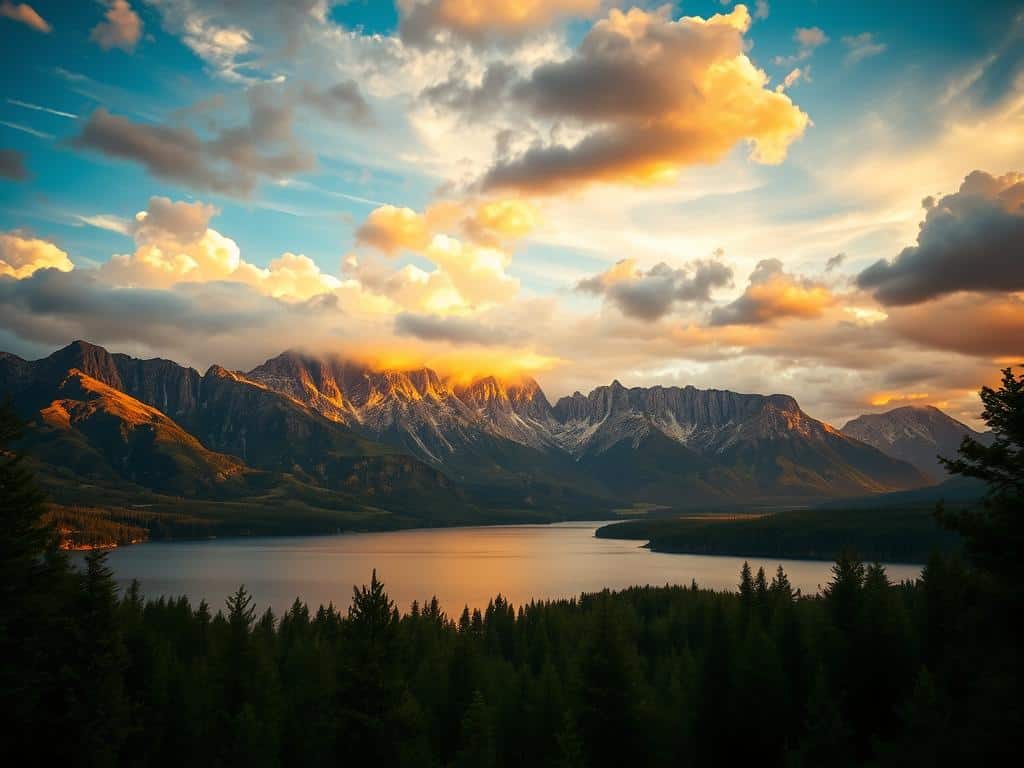
Did you know the human eye can see up to 11 stops of dynamic range? But a standard camera can only capture about 5 stops. This big difference is why HDR photography is so popular, in fields like landscape and real estate. Using the Fuji XE-4 and Adobe Lightroom, even basic skills can make your photos stand out.
In this article, we’ll cover the basics of HDR photography. You’ll learn about dynamic range, when to use HDR, and how to improve your photos. So, get ready to make your photos truly amazing!
Key Takeaways
- HDR photography effectively expands the dynamic range of images.
- Most cameras today are capable of capturing great HDR photos.
- Utilizing multiple exposures can dramatically enhance image quality.
- Post-processing is key for stunning HDR results.
- Shooting in RAW format is recommended for editing flexibility.
- Knowing your camera’s settings can boost HDR capabilities.
Understanding High Dynamic Range Photography
High Dynamic Range (HDR) photography is a new way to take pictures. It combines multiple shots of the same scene. This lets me show the full range of light, from dark to bright.
It makes images more detailed and interesting. This technique brings out the best in both shadows and highlights. It turns a simple photo into something amazing.
What is HDR Photography?
HDR photography is about merging different brightness levels of the same scene. Usually, I take three shots: -2, 0, and +2. But some take more to get an even wider range.
This method makes photos look more real and detailed. It shows the scene in all its glory.
The Importance of Dynamic Range
Dynamic range is key in HDR photography. Many cameras can’t capture the full range of light in a scene. This can make shadows dark and highlights too bright.
HDR fixes this problem. It lets me show a wide range of tones, from white to dark shadows. HDR makes photos go from good to great.
When to Use HDR Photography
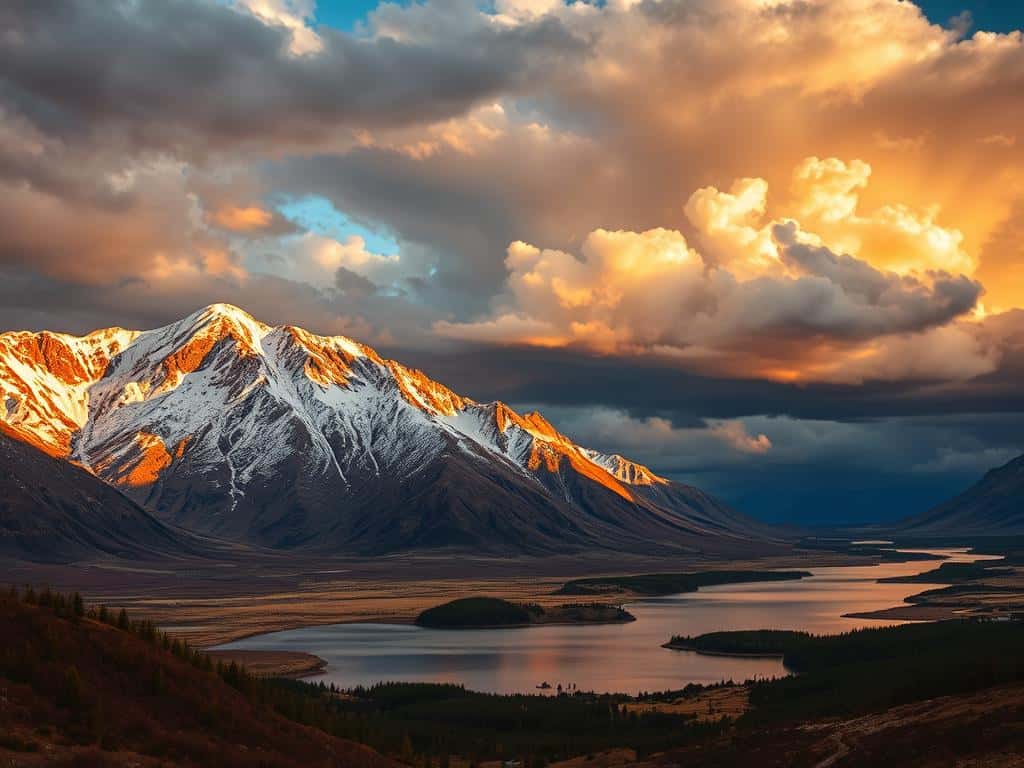
HDR is perfect for landscapes, architecture, and scenes with lots of light changes. For example, it’s great for sunsets behind mountains or bright buildings at twilight.
It keeps important details from getting lost. HDR photography captures the light and shadow play that a single shot can’t.
Steps to Capture Stunning HDR Images
To make stunning HDR images, knowing the right camera settings is key. I always shoot in RAW format to keep more image data. This makes editing and blending easier. For HDR, I take at least three shots with different exposures—usually -2, 0, and +2 EV.
For scenes needing a wider range, I might take five shots. I expand the exposure values to include -1 and +1 EV. This helps capture more detail.
When setting up for HDR, keeping camera settings the same is vital. I keep the aperture the same for all shots to blend them smoothly. Using a tripod is a must to avoid blurriness from camera movement.
High-contrast scenes like landscapes at sunrise or sunset work best for HDR. They really show off the technique’s benefits.
Today’s cameras often have auto HDR features, making it easier for newbies. But, I always use a tripod for bracketed shots. It helps keep the camera steady and avoids blurriness.
With careful planning and execution, HDR photography can be very rewarding. It produces images full of detail and color, sure to amaze anyone who sees them.
