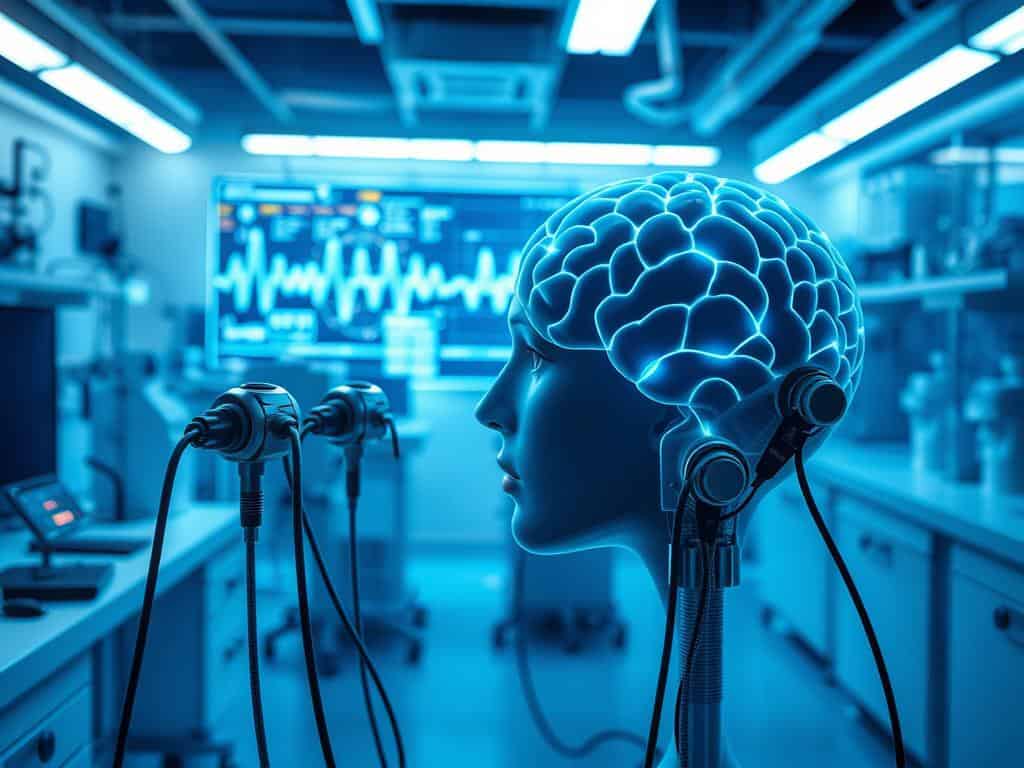
Did you know that one in ten people in the US suffers from a mental health disorder that current pharmaceuticals don’t effectively treat? This staggering statistic highlights a significant gap in healthcare solutions, prompting a search for innovative approaches. Enter Brain-Computer Interfaces (BCIs), a cutting-edge technology that’s transforming the landscape of mental health treatment and everyday interactions with machines. From enabling communication for those with paralysis to potentially offer lasting therapeutic effects for conditions like treatment-resistant depression, the possibilities of mind-controlled technology are emerging at unprecedented scales.
As we explore this realm of neural innovations, it’s clear that the integration of human thought with machinery is not just a concept from science fiction—it’s rapidly becoming a tangible reality. The ongoing advancement of BCIs is setting the stage for a future where our minds and machines work collaboratively, enriching our lives in ways we have yet to fully explore. Prepare to be amazed as we uncover how this revolutionary technology is paving the way for enhanced creativity, improved quality of life, and groundbreaking applications across various industries.
Key Takeaways
- One in ten people in the US experiences a mental health disorder that may benefit from BCIs.
- BCIs could potentially provide therapeutic benefits through a simple outpatient procedure.
- The consumer neurotechnology market has been growing steadily.
- Advanced neural interfaces can restore communication for individuals with severe conditions.
- Ethical considerations, safety, and regulatory challenges play critical roles in BCI development.
- Recent innovations, such as the Stentrode BCI, offer less invasive implantation options.
- There is a willingness among the public to adopt brain implants for therapeutic use.
The Rise of Mind-Controlled Technology
Mind-controlled technology is growing fast, opening a new area in how we interact with computers. It’s amazing to see how neural tech and advanced computing are changing how we use devices. Now, we can control things with just our thoughts, changing the way we design interfaces.
Transforming Human-Computer Interaction
Recent studies show big steps forward in brain-computer interfaces (BCI). A study from The University of Texas at Austin found people could control a digital bar and play games with their thoughts. This is a big win for people with disabilities, letting them use tech in new ways.
This research also shows how machine learning can improve neuroprosthetics. It’s a big step forward for how we interact with computers.
Applications in Daily Life and Industry
Mind-controlled tech has many uses in our daily lives and work. Over 200,000 people have gotten cochlear implants, helping them talk better. BCIs can even let people type at 32 letters a minute, which is huge for communication.
This tech is also helping stroke survivors, where old treatments often don’t work. It’s not just for everyday use but also for healthcare and rehab. As we keep moving forward, we’ll see even more changes in our lives.
Understanding Brain-Computer Interfaces
In recent years, BCIs have become key in tech and neuroscience talks. They connect our brains to devices, letting us control them with our thoughts. This is a big deal, helping those who can’t move easily.
What Are Brain-Computer Interfaces?
BCIs are tech that links brain signals to computers. They can be implants or non-invasive, like armbands. Cochlear implants help deaf people hear, while visual implants are a work in progress.
How They Work and Their Potential
BCIs capture and read brain signals. Invasive methods, like implants, help with vision. Jens Naumann can move around with them.
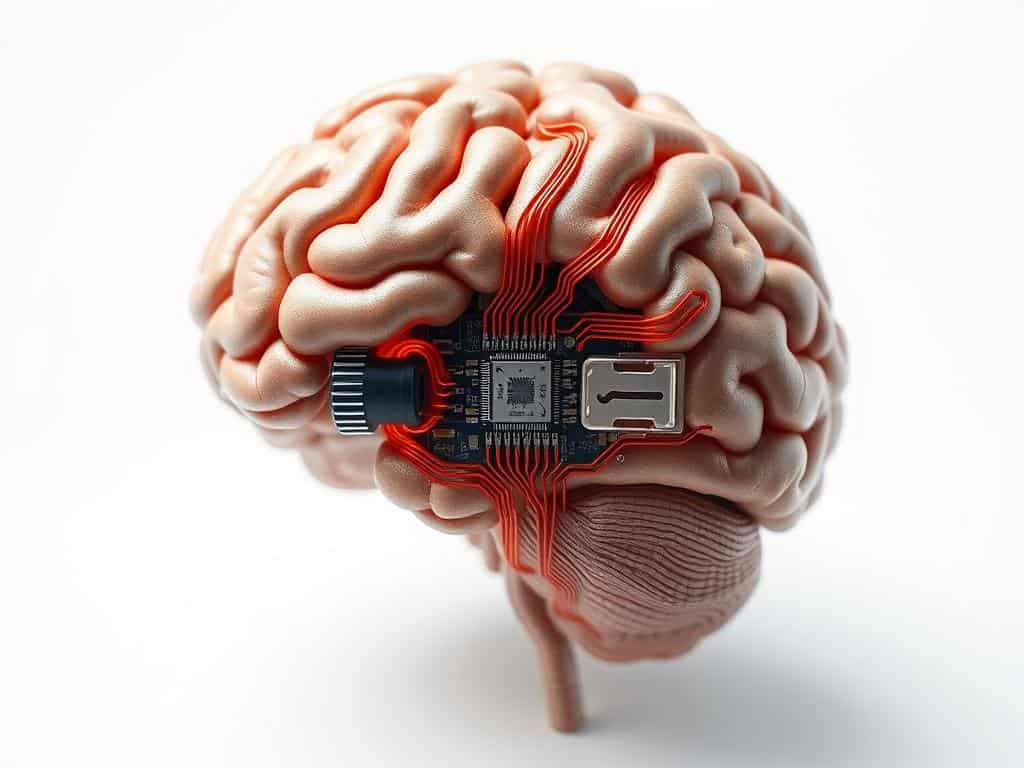
The BCIs market is growing fast. Companies like Neuralink are making new uses for them. They help paralyzed people and improve thinking. BCIs are changing lives and pushing tech and science forward.
The Integration of AI and Neuralink
The world of robotics is changing fast with AI and Neuralink. This mix is making robots that can understand our thoughts and actions. It’s a big step towards making technology that works with our minds.
Revolutionizing Robotics and Automation
Neuralink’s device has 64 thin wires and 1,024 electrodes. It can read brain signals, letting us talk to machines with our minds. Over 150,000 people in the U.S. have brain implants to help with movement issues.
Neuralink just got FDA approval for human trials. This made its value jump from 2 billion USD to 5 billion USD. Now, we can see robots that work with our thoughts becoming real.
This tech could change many areas. Imagine robots doing hard tasks just by thinking about it. It’s not just about making things work faster. It’s about understanding what we want from machines.
For example, people with severe paralysis can text or bank online easily. This shows Neuralink’s goal of giving back control to those who lost it.
Future possibilities with AI Integration
AI and neural interfaces are opening up new paths. The first tests of Neuralink’s chip will last five years. They aim to help those with paralysis and maybe even more.
Neuralink wants to read our thoughts better than old brain-computer interfaces. This is a big step towards making robots that really get us.
But, we must think about the ethics too. We need to make sure this tech is safe and not used wrongly. Creating robots that adapt to us is exciting but also requires careful planning.
Conclusion
Looking at mind-controlled technology, Brain-Computer Interfaces (BCIs) are leading the way. They change how we interact with machines. From controlling robotic arms in labs to noninvasive ways for humans and robots to talk, we’ve just started.
BCIs let people control computer cursors, showing their real-world uses. But, we face big challenges to make them work better for everyone. Invasive BCIs are risky, so finding safe, noninvasive ways is key.
Even with 95% success in using BCIs, the 5% failure rate shows what we need to fix. These devices could change how we live and work together. They could make society more inclusive.
The future of mind-controlled tech is full of both problems and chances. How users feel about BCIs will guide their development. I’m hopeful about what these innovations can do for us, making our lives better with technology.
