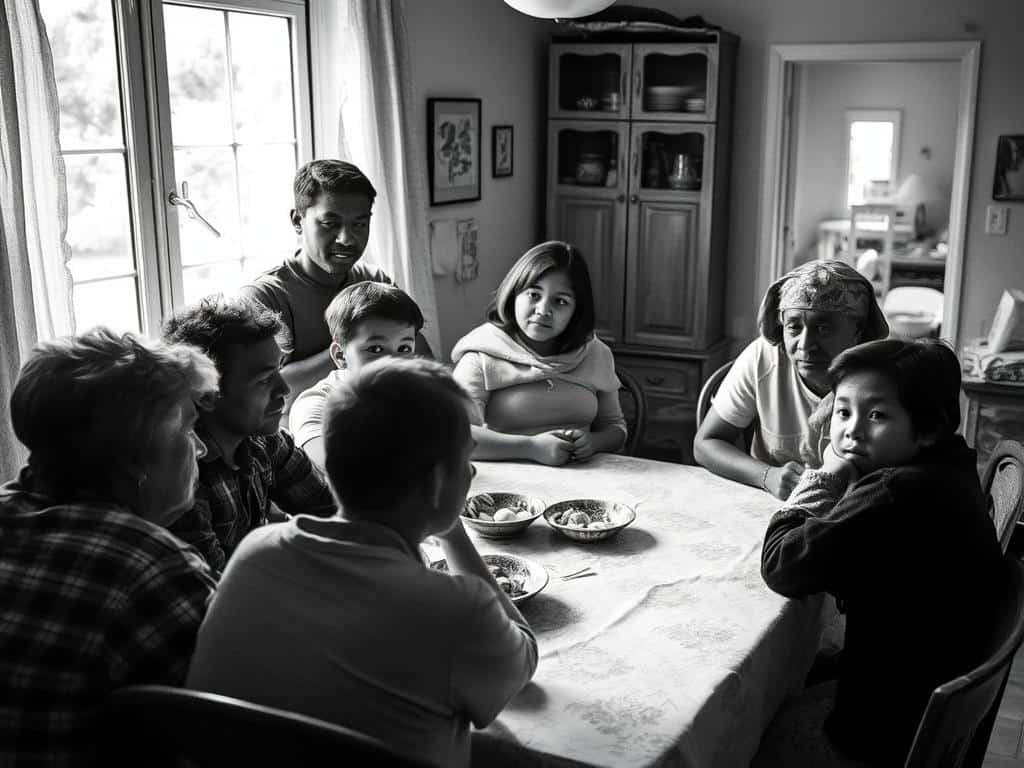
Did you know documentary photography sessions last about three hours? They focus on real-life moments without posing or props. This genre turns everyday moments into powerful stories that touch our hearts.
As a visual storyteller, I see documentary photography as more than just taking pictures. It’s about telling stories through images that move us and inspire change. I’ll dive into the details of this art, covering the techniques and ethics needed to tell impactful stories.
Documenting real-life moments, like a pancake breakfast or a toddler’s tantrum, shows the beauty in the ordinary. It honors the everyday experiences that shape our lives.
Documentary photography has its roots in the late 19th and early 20th centuries. Photographers aimed to highlight social issues and capture humanity’s essence. In this article, I’ll show you the key techniques, ethics, and strategies for building narratives in this powerful art form.
Together, we’ll explore how documentary photography can create stories that deeply connect with viewers.
Key Takeaways
- Documentary photography emphasizes authentic moments and real-life interactions.
- Sessions often focus on everyday family activities, not posed settings.
- The genre is a strong medium for storytelling and social commentary.
- A photographer’s preparation and planning are key to capturing meaningful narratives.
- Emotional impact in photography can be enhanced through careful composition.
Understanding Documentary Photography
Documentary photography is a powerful way to show reality without changing it. It tells stories of events, places, and people’s feelings. This art form mixes photography with storytelling to share deeper stories.
Photographers have used it to highlight big social issues. They give a voice to those who are often ignored. Documentary photography shows the true moments of life and connects us through stories.
Definition and Purpose
The main aim of documentary photography is to show real scenes that touch viewers. It focuses on the story, not just looks. By showing real moments, it gives us a peek into different social worlds.
Photos from big historical times, like the Great Depression by Dorothea Lange, show the deep feelings of people. Many start in photojournalism to find their own style.
The Role of Emotion in Documentary Photography
Emotion is key in documentary photography. Pictures that make us feel have a bigger impact. They help us connect with the people in the photos.
When photographers and subjects interact, real feelings come out. This is why about 70% of clients love the real moments in photos. Emotional storytelling shows that photos are more than just pictures. They are powerful stories that stay with us.
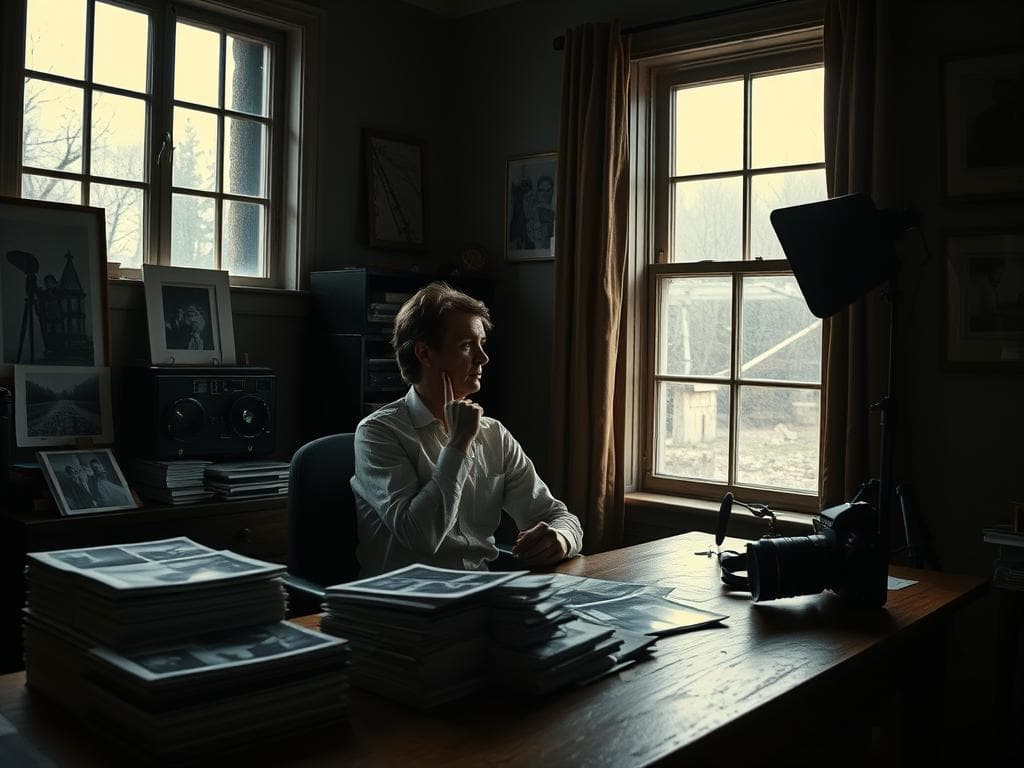
Techniques for Effective Documentary Photography
Documentary photography is all about telling stories with images. It uses many techniques to capture real moments and tell impactful stories. Photographers focus on research, authentic moments, and using light and composition well. They also follow strong ethical rules to connect with their audience.
Research and Planning
Good documentary photography starts with solid research. Knowing the story behind your subject makes your photos more interesting and informative. I spend a lot of time learning about my project to connect deeply with it.
This planning helps me capture real moments. It’s a mix of knowing what to expect and being ready for surprises. This balance is key to great documentary photography.
Capturing Authentic Moments
Being real is key in documentary photography. I try to show life as it is, without adding my own story. Always having my camera ready helps me catch those special moments.
This approach takes patience and a deep connection with the scene. It lets me show life in a natural and true way.
Composition and Lighting
The way a photo is set up is very important. It’s all about the little choices you make, like where to stand and how to light it. Using wide lenses, like the Sigma 35mm Art, helps show more of the scene.
Changing the light can also make a big difference. It can make things clearer and make the background fit the story better.
Ethical Considerations
Photography ethics are very important. It’s about showing things as they really are, without changing them. I always try to be honest and respectful in my photos.
Being kind and open with my subjects helps me get better photos. It makes the story more real and honest.
Conclusion
Documentary photography is a powerful way to tell stories. It combines technical skills with a deep understanding of different stories. This art form has been around for over a century, changing how we see the world.
Works like Dorothea Lange’s “Migrant Mother” have made a big impact. They show us the struggles of others, making us think about important issues. Each photo can reveal a part of our shared human experience.
The power of documentary photography is huge. It brings people together and shows the strength of individuals. For example, Sebastião Salgado’s “Workers” series does just that.
Creating a documentary project takes a lot of work. You need to plan, research, and follow ethical rules. This includes getting permission and treating subjects with respect. Learning and sharing with others is key to growing as a photographer.
My goal is to show the world in a new light. I want to connect people through my photos. Documentary photography is more than just pictures. It’s a way to inspire change and build empathy.
