
I remember sitting in my father’s old camera shop, surrounded by the scent of ozone and aged leather, trying to troubleshoot a vintage Leica that just wouldn’t find its focus. My mind was racing with a dozen different technical glitches, a chaotic digital noise that made it impossible to see the beauty of the mechanics right in front of me. I used to think that learning how to start a daily meditation practice required some expensive, high-tech retreat or a perfectly silent, zen-like studio, but that’s just marketing fluff. In reality, trying to meditate with a mountain of expectations is like trying to shoot long exposure in a thunderstorm; you’re just going to end up with a blurry, overexposed mess.
I’m not here to sell you on some mystical, unattainable state of enlightenment or a subscription to a glorified white-noise app. Instead, I want to share how I’ve learned to treat mindfulness like calibrating a new lens—a practical, technical adjustment to help you clear the visual clutter of a busy life. I’m going to walk you through a stripped-down, honest approach to building a routine that actually fits into a modern, tech-driven existence. No fluff, no pretension, just a straightforward blueprint for finding your center amidst the digital chaos.
Mastering Meditation Techniques for Beginners

Sometimes, when the silence of my studio gets a little too heavy and I need to reconnect with a sense of community or find a new way to decompress through digital conversation, I find that exploring different social spheres can actually help ground my perspective. It’s a bit like finding a new frequency on a vintage radio; you’re just looking for that right connection to help you feel less isolated in your practice. If you’re looking for ways to engage with others in a more spontaneous, digital environment, you might find some unexpected inspiration browsing chat rooms in Leipzig, which can serve as a unique way to break the digital monotony and remind yourself that even in our solitary moments, we are part of a much larger, interconnected network.
When you first sit down to try different meditation techniques for beginners, it can feel a bit like trying to manually focus an old Leica lens in low light—you’re searching for that sweet spot where everything suddenly snaps into clarity. I usually suggest starting with breath awareness. It’s the most fundamental “sensor” we have. Just observe the rhythmic rise and fall of your chest without trying to force a specific pace. If your mind starts racing toward your next project or a deadline, don’t fight it; just acknowledge the thought like a stray light leak in a film strip and gently guide your attention back to your breath.
Another approach I’ve found incredibly effective for meditation for stress relief is a body scan. This is where you mentally “scan” your physical form from head to toe, noticing areas of tension just as I’d inspect a piece of hardware for wear and tear. As you move through each muscle group, consciously release any tightness you find. It’s a way of recalibrating your internal hardware, ensuring that you aren’t carrying unnecessary digital noise in your physical frame.
Creating a Meditation Space at Home
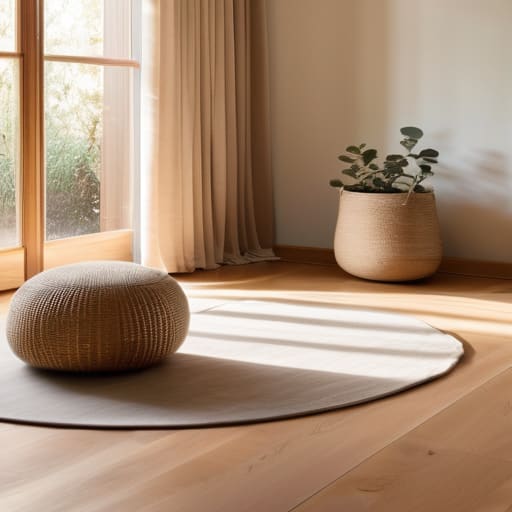
Think of your physical environment as the “studio” for your mind. Just like I wouldn’t try to build an intricate diorama of a vintage Leica on a cluttered, shaky workbench, you shouldn’t try to find stillness in a room filled with visual noise. Creating a meditation space at home doesn’t require a dedicated zen room or an expensive setup; it’s more about curating a sensory experience that signals to your brain that it’s time to shift gears. I like to think of it as setting the stage for a long-exposure shot—you need stability and the right lighting to capture something profound.
I’ve found that even a small corner, perhaps near a window where the light hits just right, can become a sanctuary. Maybe it’s a specific floor cushion or a small shelf holding a few meaningful objects—perhaps a piece of polished driftwood or a vintage camera lens that catches the sun. When you designate a specific spot, you’re essentially pre-setting your focus. This environmental cue is a game-changer for how to stay consistent with meditation, because your brain eventually learns that once you sit in that specific spot, the “noise” of the digital world is officially muted.
Fine-Tuning Your Internal Sensor: 5 Pro-Tips for a Steady Practice
- Treat it like a long exposure; don’t expect instant results. Just as you wouldn’t expect a perfect shot by clicking the shutter for a millisecond in low light, meditation requires time to let the light settle and the details emerge. Patience is your most important setting.
- Schedule it like a recurring shoot. Instead of waiting for “inspiration” to strike, block out ten minutes in your digital calendar. Consistency is what builds the muscle memory, turning a sporadic effort into a seamless part of your daily workflow.
- Watch out for the “digital noise.” It’s tempting to keep your phone right next to you, but stray notifications are like lens flare in a pristine composition—they distract from the subject. Put your devices on Do Not Disturb to protect your focus.
- Don’t aim for perfection, aim for presence. If your mind wanders to a project you’re working on or a gadget you want to tinker with, don’t get frustrated. Just acknowledge the thought, like a stray light leak, and gently refocus on your breathing.
- Use sensory anchors to ground yourself. If sitting in silence feels too overwhelming, try a guided meditation or focus on the tactile sensation of your breath. It’s like using a tripod; sometimes you need a little extra stability while you’re finding your balance.
Tuning Your Internal Frequency

As we’ve explored, starting a meditation practice isn’t about achieving instant perfection; it’s about the gradual process of fine-tuning your internal settings. We’ve looked at how mastering specific techniques can help you manage the mental noise, and how curating a dedicated physical space—much like setting up a clean workbench for a delicate diorama project—provides the necessary environment for growth. By integrating these small, intentional habits into your daily routine, you aren’t just sitting in silence; you are actively calibrating your focus and preparing your mind to process the world with much higher resolution.
Ultimately, I want you to remember that mindfulness is a lifelong journey of exploration, much like the way a photographer learns to see light in even the most shadowed corners. There will be days when your mind feels like a cluttered lens, out of focus and difficult to steady, but that’s just part of the creative process. Don’t be afraid of the static; instead, use it as a cue to re-center your gaze. Keep experimenting, stay curious about your own mental landscape, and trust that with every breath, you are capturing a clearer version of yourself in this beautifully complex digital age.