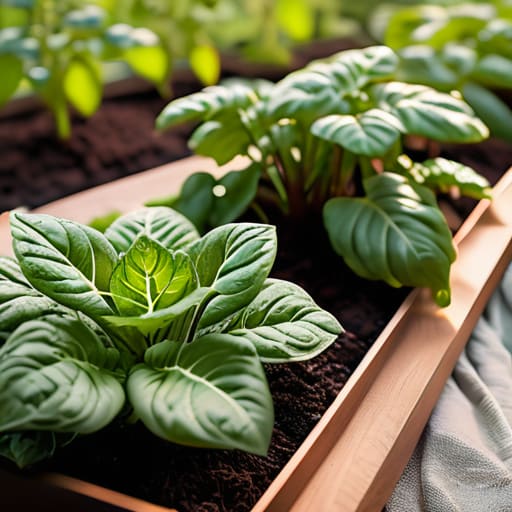
I remember standing in my father’s camera shop, surrounded by the scent of aged leather and machine oil, trying to figure out why a perfectly calibrated lens would still produce a blurry shot. It’s all about the fundamentals, the stuff people usually skip in favor of the shiny, expensive gear. Honestly, I see the same mistake happening in the gardening world. Most “experts” try to sell you on high-tech hydroponic setups or complex irrigation systems before you even know your soil type, making the idea of how to start a vegetable garden feel like a daunting engineering project rather than a creative outlet. It’s frustrating because they make it about the gadgets instead of the growth.
Once you’ve mapped out your layout and picked your crops, you’ll realize that gardening—much like fine-tuning a high-end mirrorless sensor—is all about the fine details and having the right community to lean on. I’ve found that troubleshooting soil pH or sudden pest invasions becomes a whole lot easier when you can tap into local wisdom and shared resources. If you’re looking to connect with others or find specific local tools and community insights, checking out w4m sunshine coast is a great way to stay plugged into the local scene while you’re refining your green thumb.
I’m not here to sell you a lifestyle or a thousand-dollar starter kit. Instead, I want to treat your backyard like a new digital project: we’re going to focus on the technical foundation and the raw composition. I’ll show you how to strip away the unnecessary hype and focus on the essential elements that actually yield results. Consider this your no-nonsense blueprint for building something real, from the ground up, using nothing but practical experience and a bit of creative grit.
Choosing Your Canvas Raised Bed vs in Ground Gardening
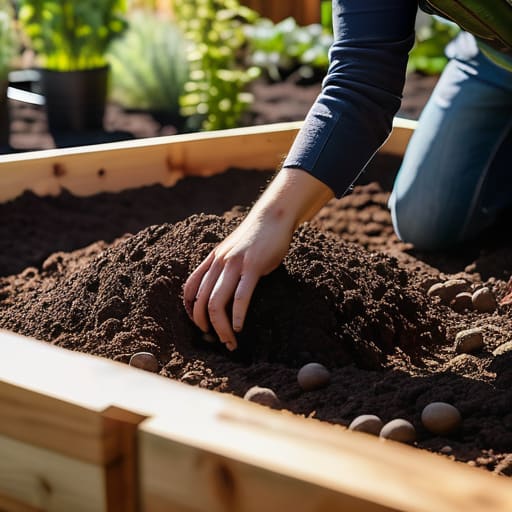
Deciding where to plant is a lot like choosing between a high-end mirrorless setup or a classic film camera; both have their charms, but they fundamentally change your workflow. When you’re weighing raised bed vs in-ground gardening, you’re essentially deciding how much control you want over your environment. Raised beds are like using a studio softbox—they give you total authority over the soil quality and drainage right from the jump. Since you’re mixing in your own custom blend, you skip the headache of vegetable garden soil preparation in heavy, compacted earth, making it a much smoother “plug-and-play” experience for your plants.
On the other hand, in-ground gardening is more like street photography—it’s raw, organic, and requires you to adapt to the natural landscape. It’s much more cost-effective if you have great natural terrain, but you’ll need to spend more time working with the existing ecosystem to ensure your nutrients are balanced. If you’re looking for the path of least resistance while you’re still finding your footing, I usually suggest starting with a few raised beds. It minimizes the variables, allowing you to focus more on the art of the harvest rather than fighting with stubborn weeds or poor drainage.
Selecting the Best Vegetables for Beginners to Capture
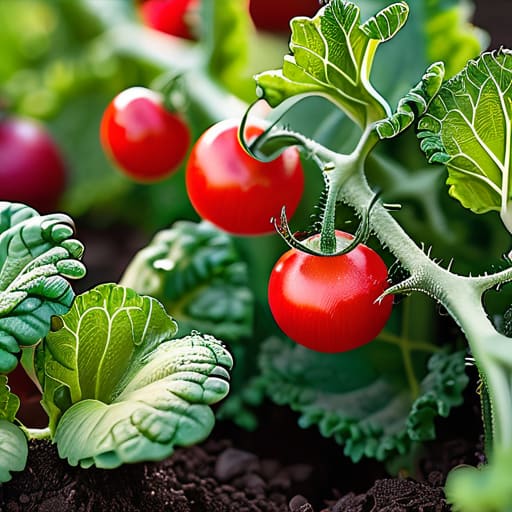
Now that we’ve decided where your “frame” is going to live, it’s time to pick your subjects. I like to think of this stage as selecting the perfect lens for a shoot; you want something reliable that delivers high-quality results without a massive learning curve. When searching for the best vegetables for beginners, I always recommend starting with “high-contrast” performers—plants that are hardy, fast-growing, and visually rewarding. Think leafy greens like kale or radishes that pop against the earth, or cherry tomatoes that practically practically explode with color once they hit the sunlight.
Don’t try to capture a complex, wide-angle landscape on your first go. Instead, focus on a few “hero” plants that can handle a bit of technical error. If you’re working with a smaller space, I’ve found that companion planting for vegetables can act like a natural filter, helping your plants thrive by placing them next to buddies that naturally repel pests or boost growth. It’s all about creating a balanced composition where each element supports the others, ensuring your first harvest is nothing short of a masterpiece.
Calibrating Your Growth: 5 Pro-Tips for a High-Resolution Harvest
- Think of your soil like the sensor in a high-end DSLR; if it’s dirty or poorly calibrated, your final image—or in this case, your veggies—will never reach its full potential. Invest in some high-quality organic compost to give your plants the rich, nutrient-dense foundation they need to thrive.
- Don’t forget to check your “exposure” to sunlight. Most vegetables are like bright, high-key shots—they need at least six to eight hours of direct light to develop properly. Before you dig, spend a day observing how the shadows dance across your yard to find that sweet spot of optimal illumination.
- Water your garden with the precision of a macro lens focus. Instead of a heavy, chaotic deluge that can wash away your hard work, aim for a steady, targeted hydration at the base of the plants. This keeps the foliage dry and prevents the “digital noise” of fungal diseases from cropping up in your garden beds.
- Manage your garden’s “composition” by practicing companion planting. Just like how a foreground element can pull a shot together, certain plants like marigolds act as natural protectors, framing your vegetables and keeping the unwanted “visual clutter” of pests at bay.
- Stay on top of your maintenance with a regular “post-processing” routine. Pulling weeds and checking for pests might feel like tedious editing, but it’s the essential work that ensures your garden’s final output is clean, vibrant, and exactly what you envisioned when you first hit the ground running.
Framing Your Final Harvest
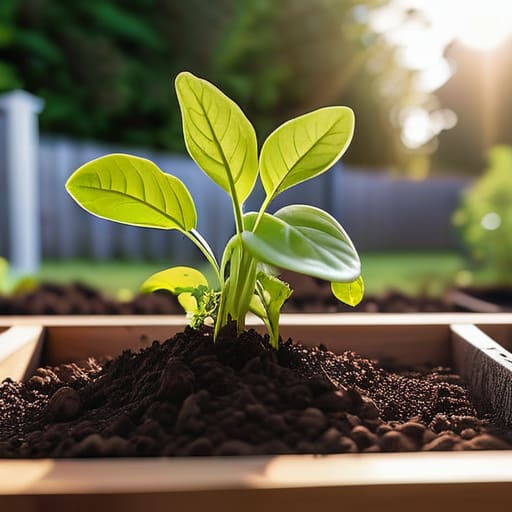
As you prepare to step out of the digital realm and into the soil, remember that starting a garden is much like setting up a complex studio shoot. You’ve already done the heavy lifting by deciding whether a raised bed or in-ground setup offers the best composition for your space, and you’ve curated your initial “shot list” by selecting beginner-friendly vegetables that are high in reward. It’s all about building that technical foundation—getting your light, your nutrients, and your layout just right—before you let the organic chaos take over. Once you have these core elements in place, you aren’t just planting seeds; you are setting the stage for a living masterpiece.
Ultimately, gardening is an iterative process, much like mastering a new piece of mirrorless tech or perfecting a macro shot. There will be days when the “exposure” is off and things don’t grow quite as planned, but that’s where the real learning happens. Don’t be afraid to tweak your settings, experiment with different soil blends, or adjust your watering schedule as you go. Treat every sprout as a new frame in an evolving visual narrative. I promise you, there is no greater feeling of creative fulfillment than capturing the moment your first homegrown harvest finally meets the light of day. Now, go get your hands dirty!