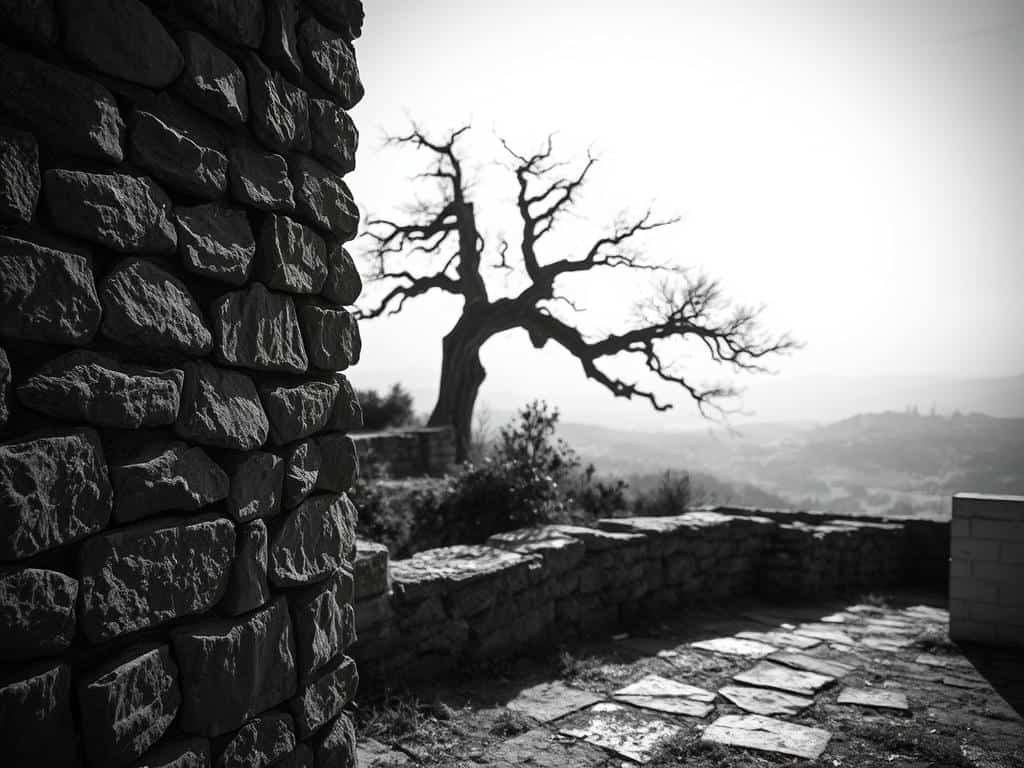
Did you know black and white photography is as popular as ever? It’s a timeless art form that has been around for ages. It tells deep stories and evokes strong emotions through the play of light and shadow.
Photographers like Ansel Adams and Henri Cartier-Bresson showed us how black and white can tell a story better. In this guide, we’ll learn the techniques to master black and white photography. We’ll see how to make simple monochrome images stand out.
Key Takeaways
- Black & white photography evokes deeper emotions than color, enriching storytelling.
- Mastering contrast, texture, and composition is key for striking monochrome shots.
- Influential photographers offer a solid base for understanding the art form.
- Using new techniques and processing can improve black and white images.
- The art of black and white remains relevant, even with color photography’s rise.
The Art of Black & White Photography
Black and white photography is more than just taking pictures. It’s about understanding how light and subjects interact to create amazing visuals. The key is in contrast, composition, and the emotions that shades and tones evoke.
By removing color, black and white photos reveal the true essence of subjects. They draw viewers into the story behind each image. This way, we connect with the photo on a deeper level.
Understanding the Basics
Black and white photography has a rich history, starting in the 19th century. Before the first permanent color image in 1861, it was already around. Light and shadow are essential in setting the mood of a photo.
Without color, we focus more on the play of tones. This makes composition even more important. Using black and white techniques helps express emotions through light and dark.
The lack of color makes us pay more attention to rhythm and balance. This improves our artistic skills.
The Importance of Light and Shadow
Lighting is even more critical in black and white photography. High-contrast scenes are intense, while soft light adds a special charm. Different lighting can change a scene’s mood.
Soft morning light feels warm, while cloudy skies add mystery. Shadows can either add depth or complicate the story. The balance between light and shadow affects both the technical and emotional aspects of a photo.
Techniques to Master Monochrome Shots
Mastering monochrome photography is all about understanding different techniques. Experimenting with composition is very rewarding. Without color, how subjects are arranged becomes even more important.
Using classic composition tips like the rule of thirds and leading lines helps create engaging visuals. The right use of negative space can also make a big difference in a monochrome shot.
Experimenting with Composition
In monochrome, focusing on tonal contrast is key for storytelling. Using a wider range of midtones adds depth and interest. Without color, viewers notice shapes and textures more.
By placing elements carefully, I guide the viewer’s eye to the main points of the photo.
Mastering Exposure
Getting the right exposure is vital for monochrome images. I use light meters and shoot in RAW to control tones better. Without color, small exposure mistakes are more obvious.
I stretch the histogram and might clip highlights for a more dynamic look. This ensures details are clear in shadows and highlights.
The Role of Filters
Photography filters are key for refining monochrome images. I use neutral density (ND) filters to control light in bright conditions. They help achieve a wider dynamic range.
Polarizing filters also manage reflections well, making contrasts better and details clearer. Using these filters improves my photos, giving them a more polished look.
Conclusion
Mastering black and white photography is a journey that combines light, shadow, and composition. It creates images that are both visually stunning and timeless. Each photo is a chance to tell a story in a unique way, beyond the colors we see.
By learning about exposure, composition, and editing, I can make images that touch people’s hearts. Shooting in RAW and using natural light during the “Golden Hour” helps improve my black and white photos. Winter days with overcast skies are perfect for capturing textures and emotions in monochrome.
Through practice and trying new things, black and white photography becomes a way to express my vision. I encourage others to dive into this world of photography. Looking at the work of experienced photographers can inspire and help shape your own style.
Sharing our stories through monochrome images adds to the rich legacy of visual storytelling. It’s a way to connect with others and leave a lasting impact in today’s world.
