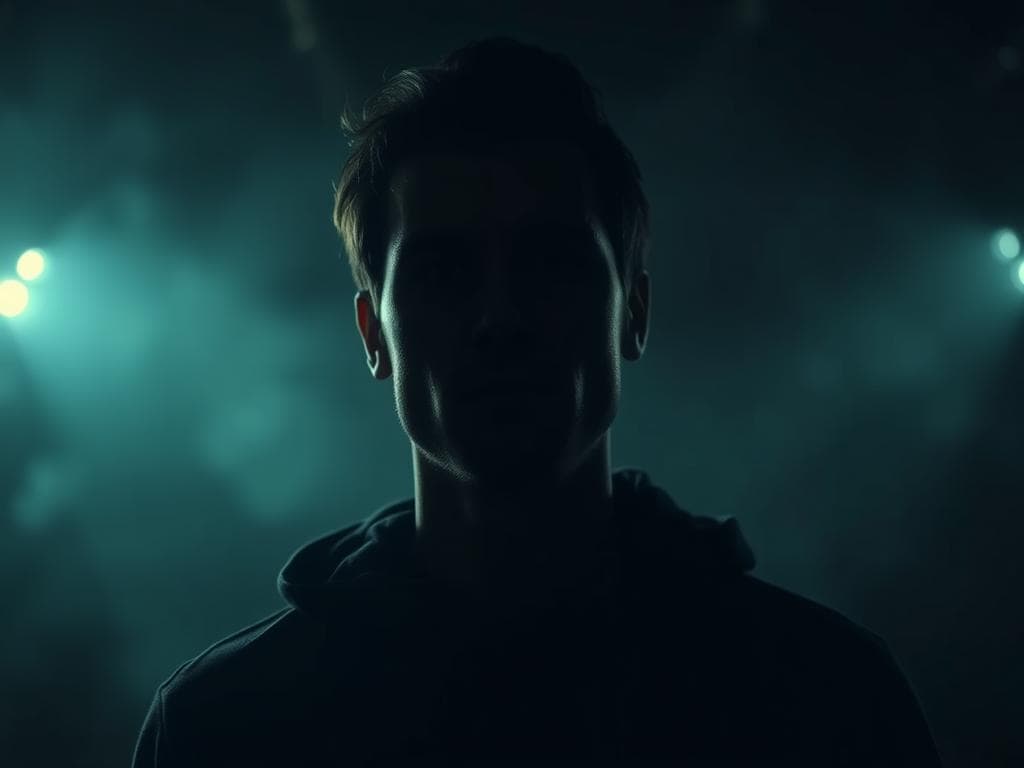
Did you know 80% of people taking self-portraits say showing their personality is key? This powerful way of self-expression lets me share my story and inspires others to explore their creativity. Even pros use tripods for stability, but it’s interesting to see 70% of them do.
With just a camera, a spot in your home, and some smart techniques, you can make stunning cinematic self-portraits. These photos can touch hearts and look amazing.
In this guide, I’ll share tips for taking self-portraits at home. You’ll learn to master moody lighting and try out different angles. Beautiful, moving images are possible for anyone, no matter their skill level. So, pick up your camera and let’s create immersive self-portraits that show off your unique style!
Key Takeaways
- Self-portrait photography can serve as a profound medium of self-expression.
- Utilizing a tripod ensures image stability and clarity.
- Exploring moody lighting elevates the cinematic feel.
- Experimenting with angles can enhance the emotional depth of the photos.
- At-home photography provides a unique opportunity for creative storytelling.
- Focusing on personal connections in images can lead to engaging visuals.
Understanding the Basics of Self-Portraits
Self-portraits have changed a lot over time. My last experience was in high school photo class. Now, I’m diving back into self-portraits, learning about the key elements.
Lighting, composition, and mood are vital. They make the image look great. By mastering these, I can make my self-portraits more engaging and expressive.
What Makes a Self-Portrait Cinematic?
A cinematic self-portrait is all about careful planning. I use an 85mm lens, about 4-5 feet away, for headshots. This makes the background blend well with the subject.
Lighting and shadow control are key to telling a story. I play with different light sources to create emotional connections. This makes each photo feel like a scene from a classic movie.
The Importance of Intimacy in Self-Portraits
Being intimate with oneself is essential in self-portraits. The bond between the subject and the creator deepens the emotional connection. Shooting self-portraits means getting comfortable with the camera and setting.
I use a remote shutter release with my Nikon F100. Choosing the right angles and backdrops adds to the intimacy. This process leads to many shots, but only a few are truly powerful. It shows how self-portraits blend creativity and experimentation.
Essential Tools for Capturing Cinematic Self-Portraits
When I start making cinematic self-portraits at home, the right tools are key. Choosing the right camera and lens is the first step. A Sony Alpha 7 III is lightweight, while a Canon EOS 70D is more affordable.
For example, a Tamron 28-75 mm F/2.8 lens is versatile and works well in low light. A Sigma 35mm lens is great for tight spaces, making your photos look professional.
Setting up a tripod and creating a backdrop are also important. A Manfrotto BeFree Advanced tripod keeps your camera steady. It’s vital for long exposure shots.
Positioning the tripod correctly frames your portrait well. For backdrops, think outside the box. Blank walls, hanging sheets, or painted surfaces add depth and interest.
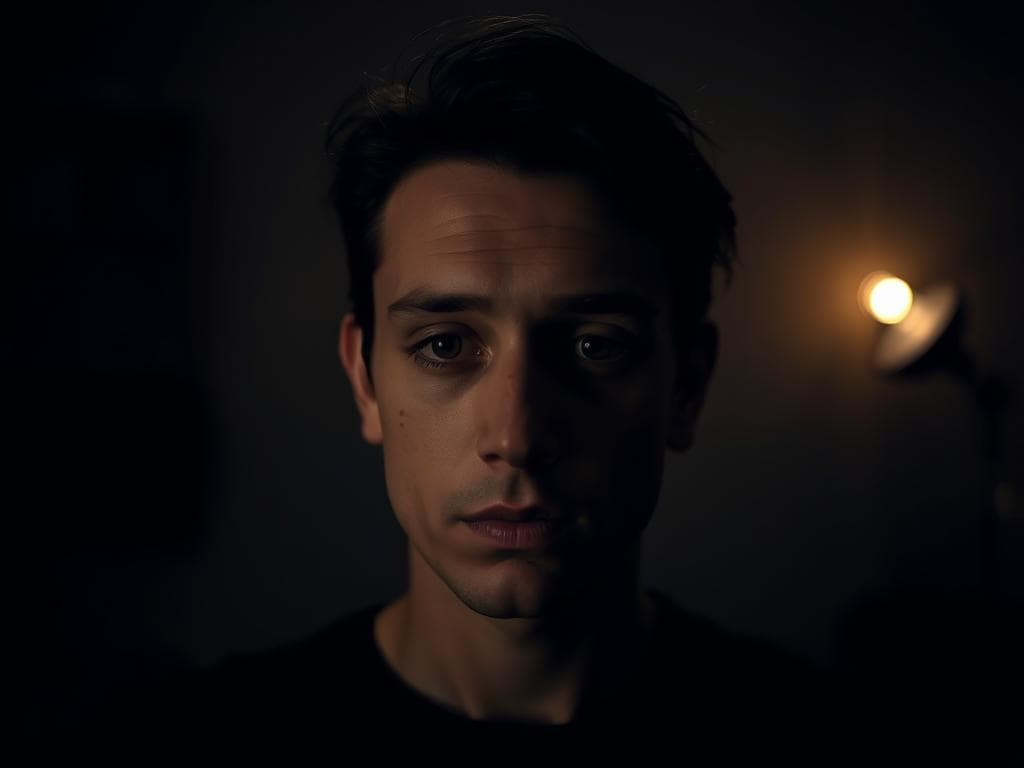
Lighting is also critical for mood. Natural light from a window gives soft shadows for a flattering look. Artificial lights can create bold contrasts.
Try different lighting setups, like a strobe out of frame, for dynamic emotions. Both natural and artificial light let you tell unique stories in your photos.
